-
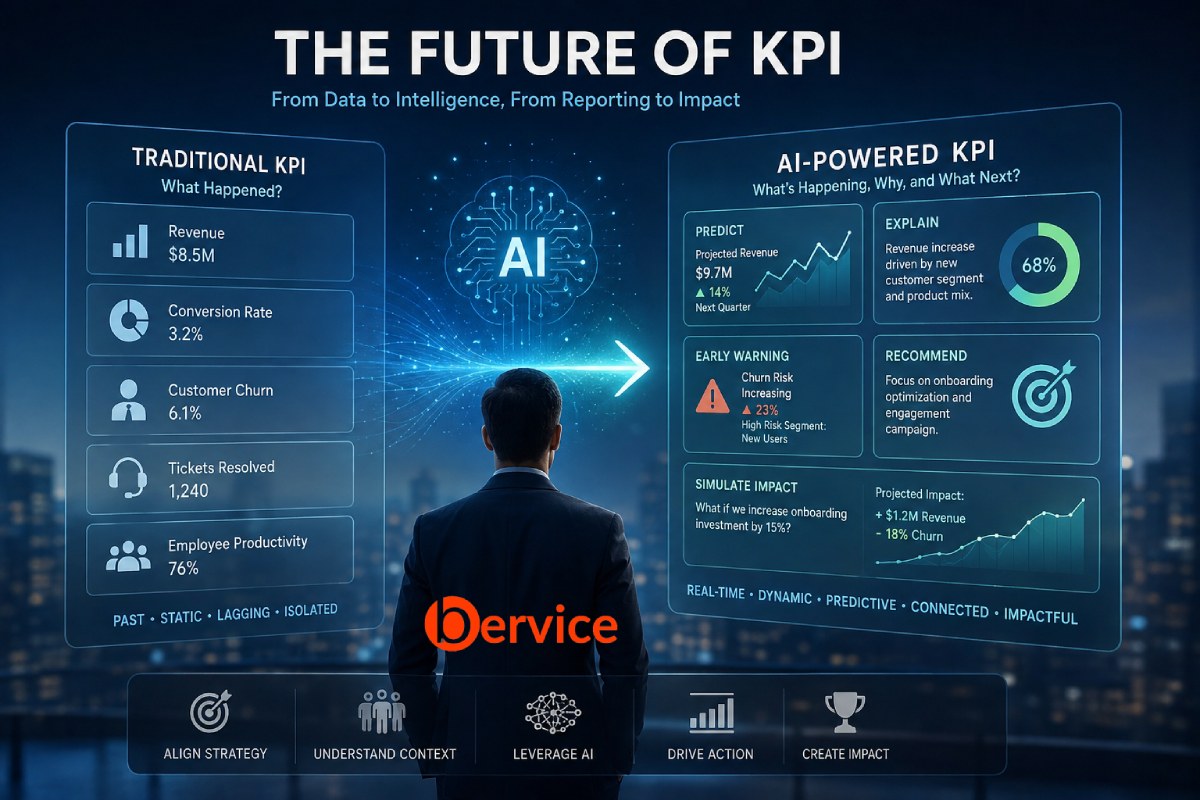
The New Shape of KPIs in the Age of AI
From Measuring Performance to Understanding Impact For decades, organizations have relied on Key Performance Indicators, or KPIs, to answer a seemingly simple question: Are we performing well? Revenue growth, conversion rates, customer acquisition costs, employee productivity, churn, delivery times, sales quotas, and countless other metrics have become the language of modern management. But there…
-

How AI Can Improve Human Processes in Collaborative Execution
The Next Competitive Advantage Is Not Better Individuals. It Is Better Collaboration. Artificial intelligence is often discussed as a tool that makes individuals more productive. We celebrate AI because it writes faster, analyzes data instantly, generates software, designs graphics, and automates repetitive work. Yet the greatest transformation AI will create may not be individual…
-
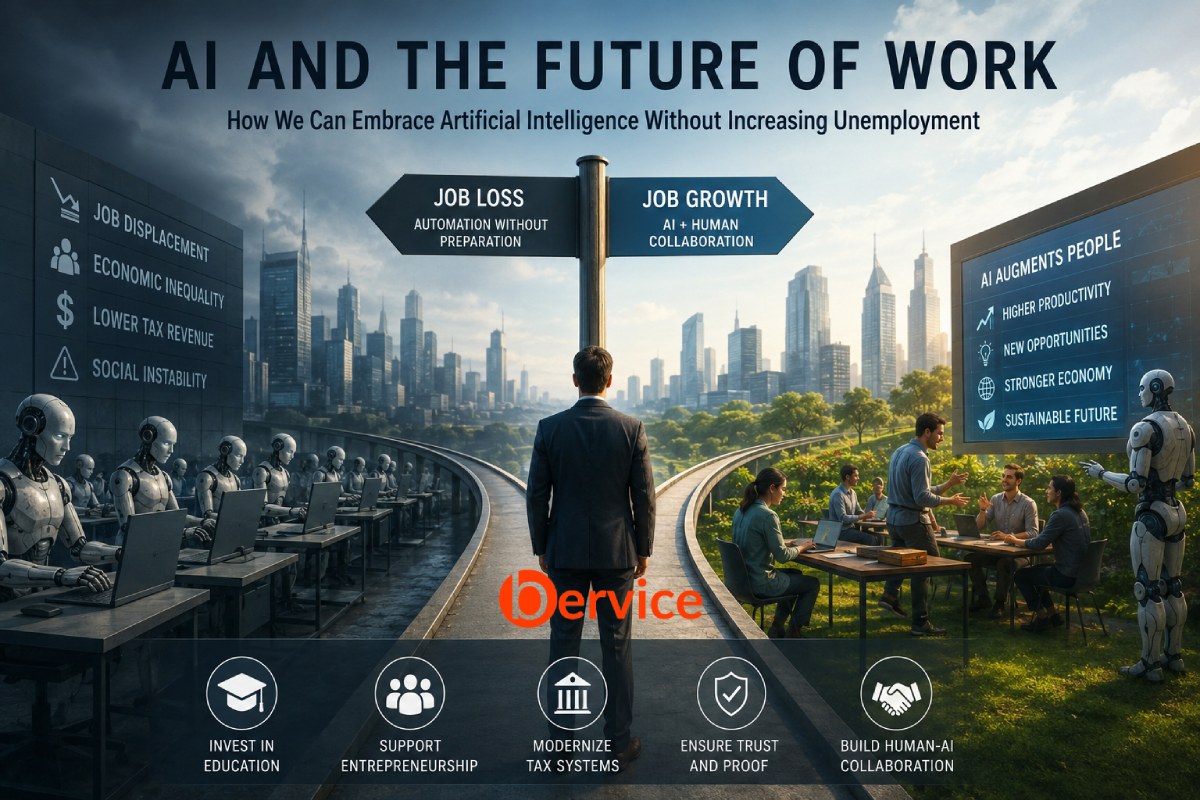
AI, Jobs, and Governments: Can We Build an AI Economy Without Mass Unemployment?
Artificial Intelligence is no longer a future technology. It is rapidly becoming part of everyday business operations, government services, healthcare, education, logistics, software development, manufacturing, and customer support. This transformation promises extraordinary gains in productivity. Yet it also raises one of the biggest economic questions of the century: Can society embrace AI without creating…
-
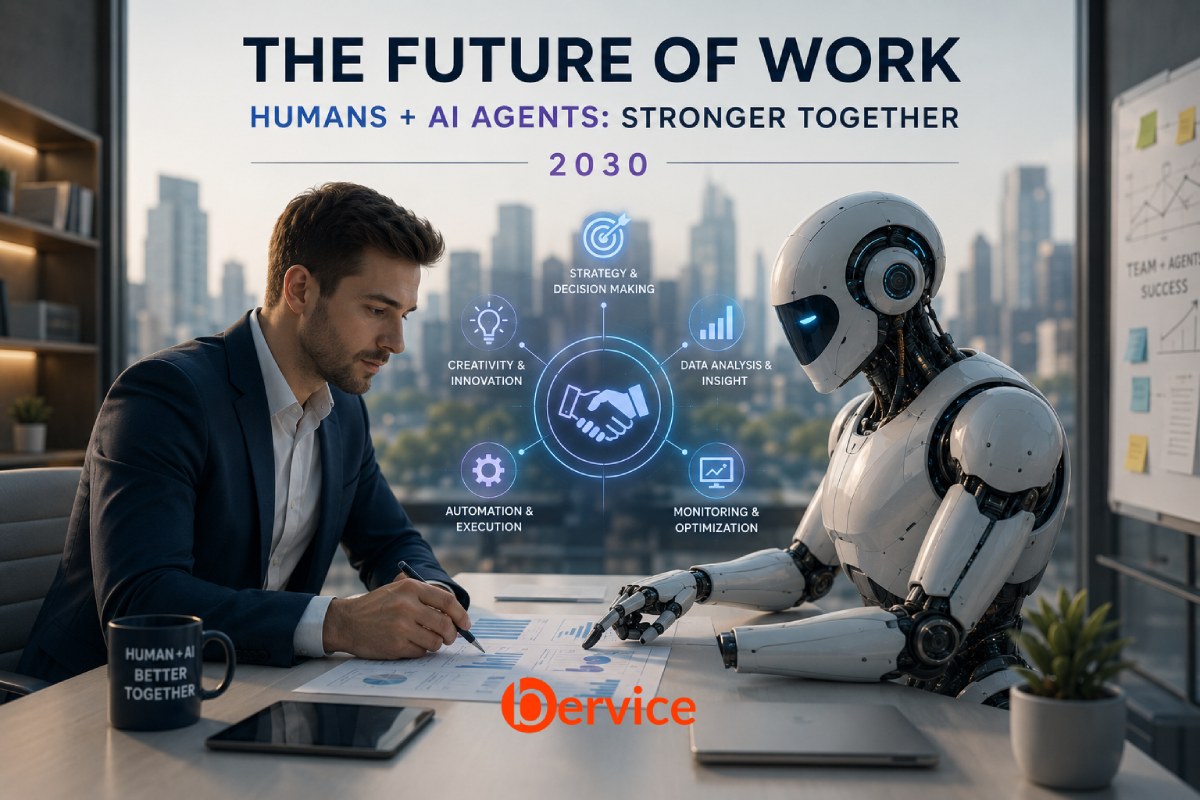
The Future Isn’t Companies Without Employees. It’s Companies Where Humans and AI Agents Work Together
Rethinking the Organization of 2030 For years, headlines have predicted the same future: ” AI will replace workers.” “Companies won’t need employees anymore.” “One founder will build a billion-dollar company with AI.” These predictions generate attention, but they oversimplify what is actually happening. The companies that will dominate the next decade are unlikely to…
-

10 Tasks Every CEO Should Delegate to AI Today
The New Leadership Playbook for the Age of Intelligent Organizations For decades, the role of a CEO has been defined by one scarce resource: attention. Every day, leaders are forced to decide where to spend their time while drowning in meetings, reports, emails, market changes, and endless operational decisions. Artificial Intelligence changes that equation.…