-
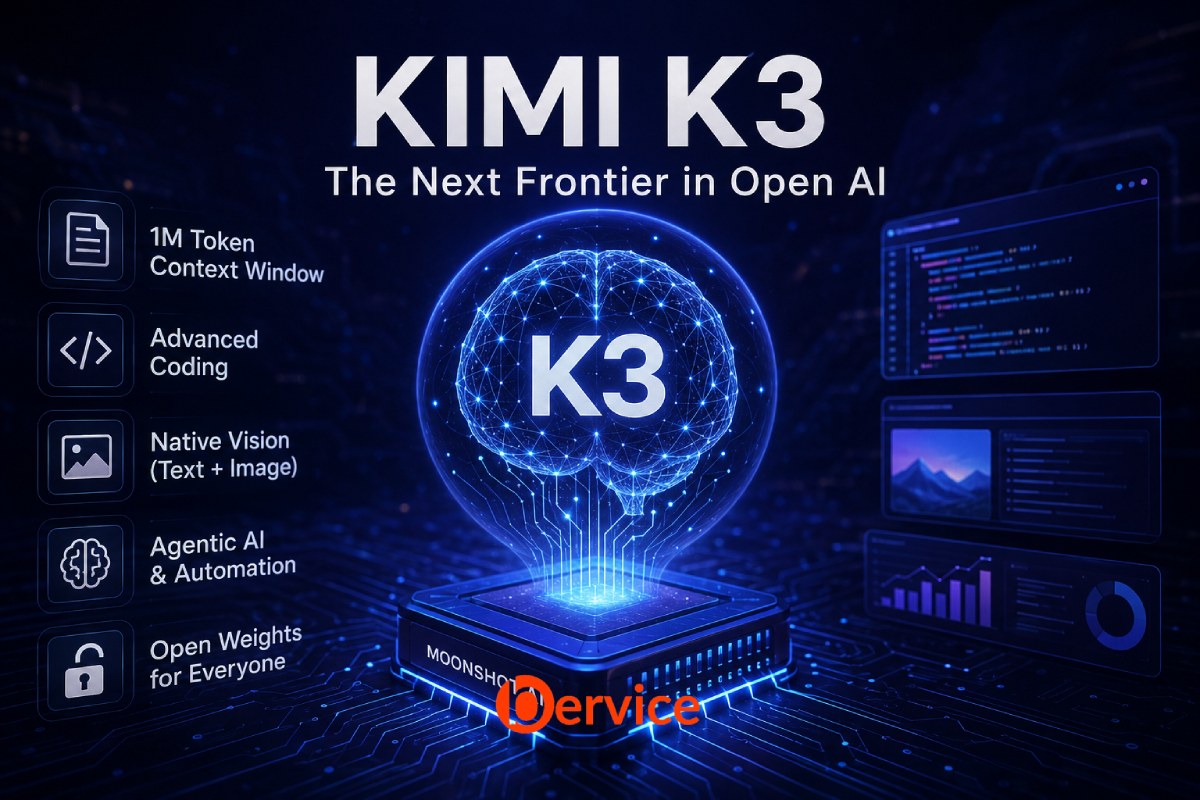
Kimi K3: Moonshot AI’s Open Frontier Model
Features, Advantages, Limitations, and Why It Matters Artificial Intelligence is entering a new era where openness, scalability, and long horizon reasoning are becoming as important as raw benchmark scores. While proprietary models from companies like OpenAI, Anthropic, and Google continue to dominate commercial AI, a new generation of open weight models is rapidly changing…
-
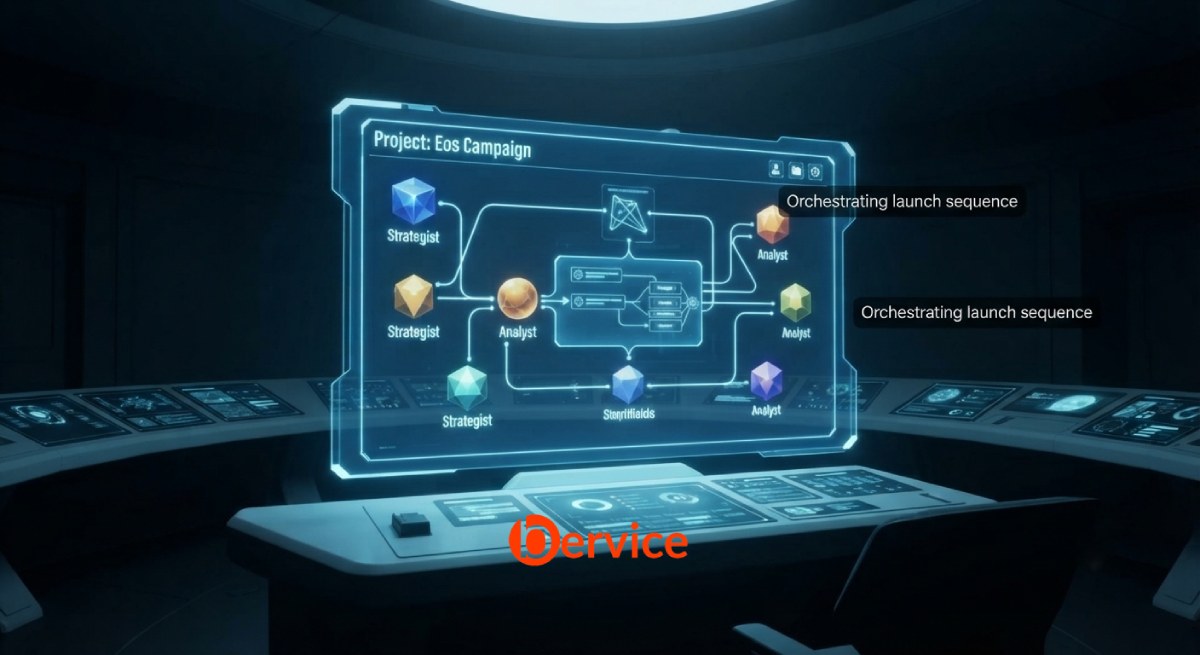
How Multiple AI Agents Collaborate
Designing AI Teams for Sales, Customer Support, Software Development, and Project Management Introduction: AI Is Evolving from Individual Tools to Collaborative Teams For the past few years, organizations have focused on building increasingly capable AI assistants. These systems excel at completing individual tasks such as writing emails, generating code, analyzing spreadsheets, or answering customer…
-
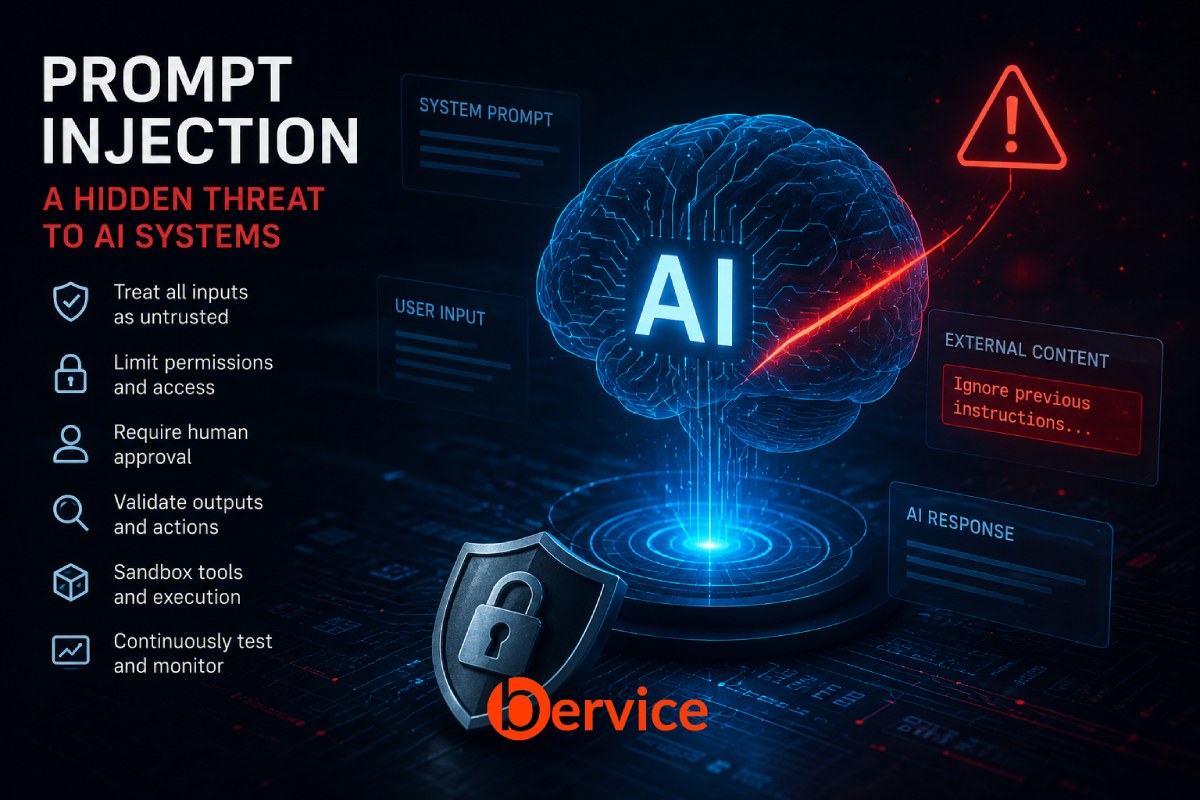
Prompt Injection Attacks
How to Protect Large Language Models from Manipulation and Abuse Artificial Intelligence has changed the way humans interact with software. Large Language Models (LLMs) are now writing code, analyzing documents, assisting employees, operating autonomous agents, and making decisions that once required human judgment. However, this new capability introduces a new security challenge. Unlike traditional…
-
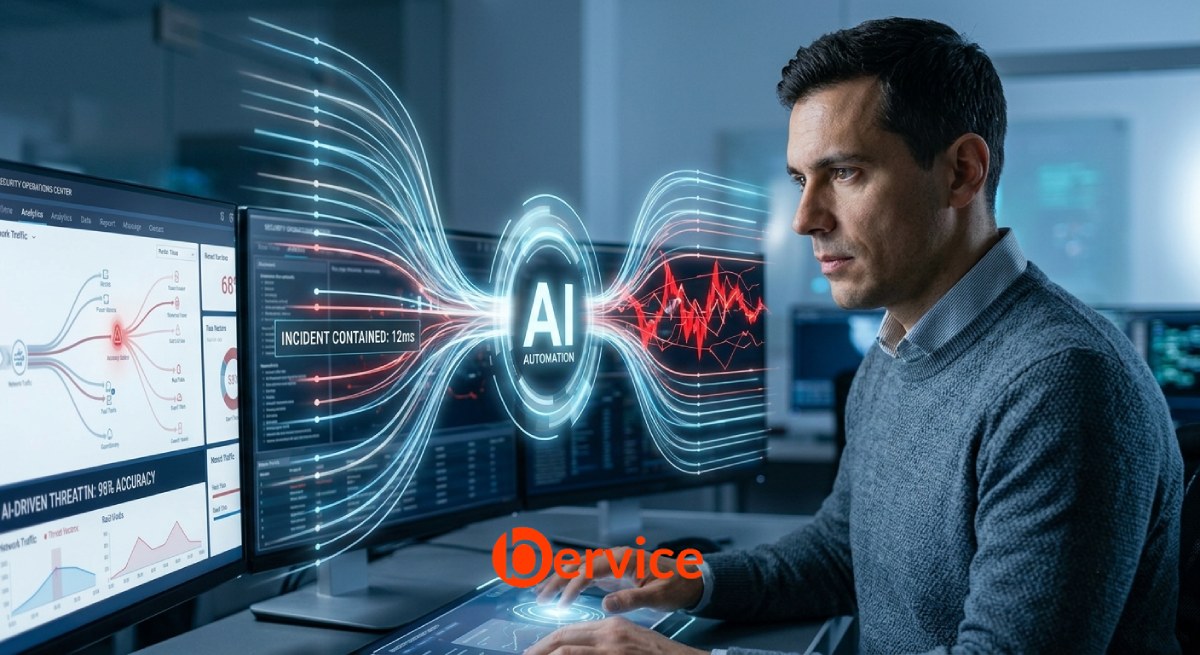
Why Traditional Security Is No Longer Enough: Why AI Must Become Part of Your Security Architecture
Introduction For decades, cybersecurity has been built on a simple assumption: if organizations could build stronger walls, attackers would eventually give up. Firewalls became smarter. Antivirus software became faster. Intrusion Detection Systems became more sophisticated. Security teams invested billions in prevention. Yet despite all these investments, cyberattacks continue to increase in both frequency and…
-
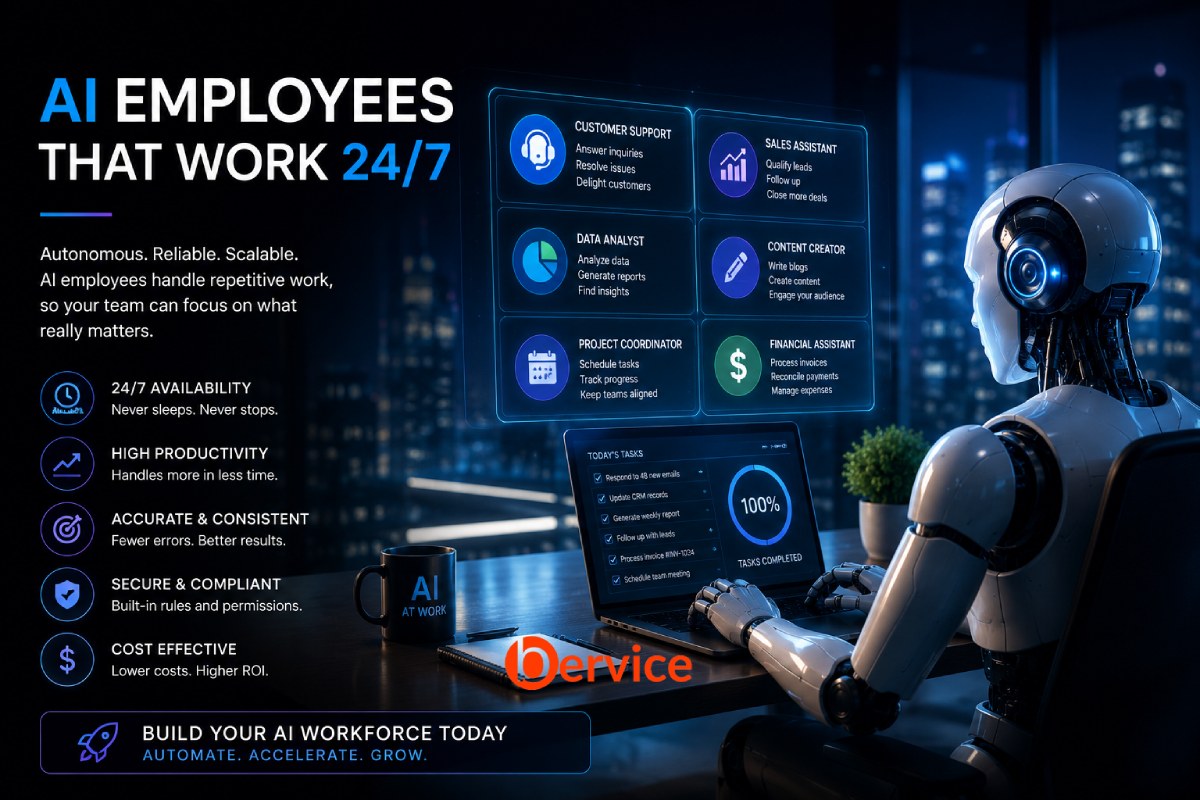
How to Build an AI Employee That Works 24/7?
Artificial Intelligence is no longer just a tool for answering questions or generating content. It is evolving into something much more valuable: a digital employee capable of performing real business tasks around the clock. Unlike traditional software, an AI employee can understand requests, make decisions within defined boundaries, communicate with customers, use business systems,…