-

Privacy Is the Next Battlefield: How to Protect Your Personal Information Before the AI Industrial Revolution Changes Everything
Artificial Intelligence is transforming the world at an unprecedented pace. Every day, AI systems become better at understanding language, recognizing faces, predicting behavior, generating content, and making decisions that once required human intelligence. This revolution promises incredible advances in healthcare, education, transportation, science, and business. But behind this progress lies an uncomfortable reality. The…
-

How Can We Truly Protect Information Privacy in the Age of Artificial Intelligence?
Security Is No Longer Enough. Privacy Is the New Competitive Advantage. Artificial Intelligence is transforming every industry. Organizations now use AI to write documents, analyze customer behavior, automate workflows, generate software, review legal contracts, and assist medical professionals. Every day, more sensitive information is being shared with intelligent systems. But a fundamental question remains:…
-

NEO: How a Humanoid Robot Learns with AI to Help Humans
1. The Beginning of Home Humanoid Robots For many years, humanoid robots were mostly seen in science fiction, research labs, or technology exhibitions. They looked impressive, but they were not ready to live with ordinary people or help inside real homes. Today, that is beginning to change. One of the most talked-about examples is…
-

Tools and Architectures for Controlling AI Agents
A Practical Guide to Privacy, Governance, and Safe Autonomy 1. Introduction As AI agents evolve from simple assistants into autonomous decision-makers, the challenge is no longer just capability, but control. Organizations need to ensure that agents act within defined boundaries, respect privacy, and remain auditable. This is especially critical in systems like decentralized platforms,…
-
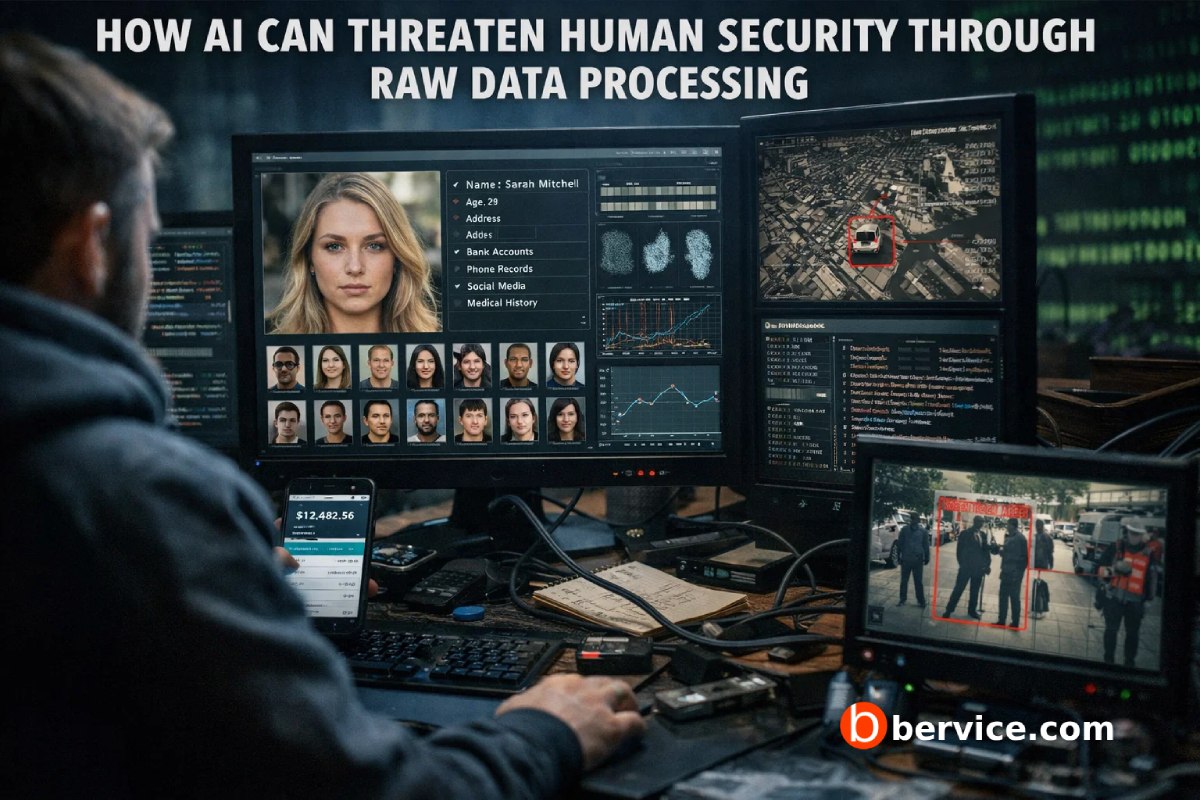
How Artificial Intelligence Can Threaten Human Security Through Raw Data Processing
And Why Local AI Is Becoming Critically Important Introduction Artificial Intelligence is increasingly powered not by curated knowledge, but by vast volumes of raw data. Logs, sensor outputs, biometric traces, communications, behavioral patterns, and environmental signals are continuously collected and processed at unprecedented scale. While this capability enables innovation, it also introduces a new…