-
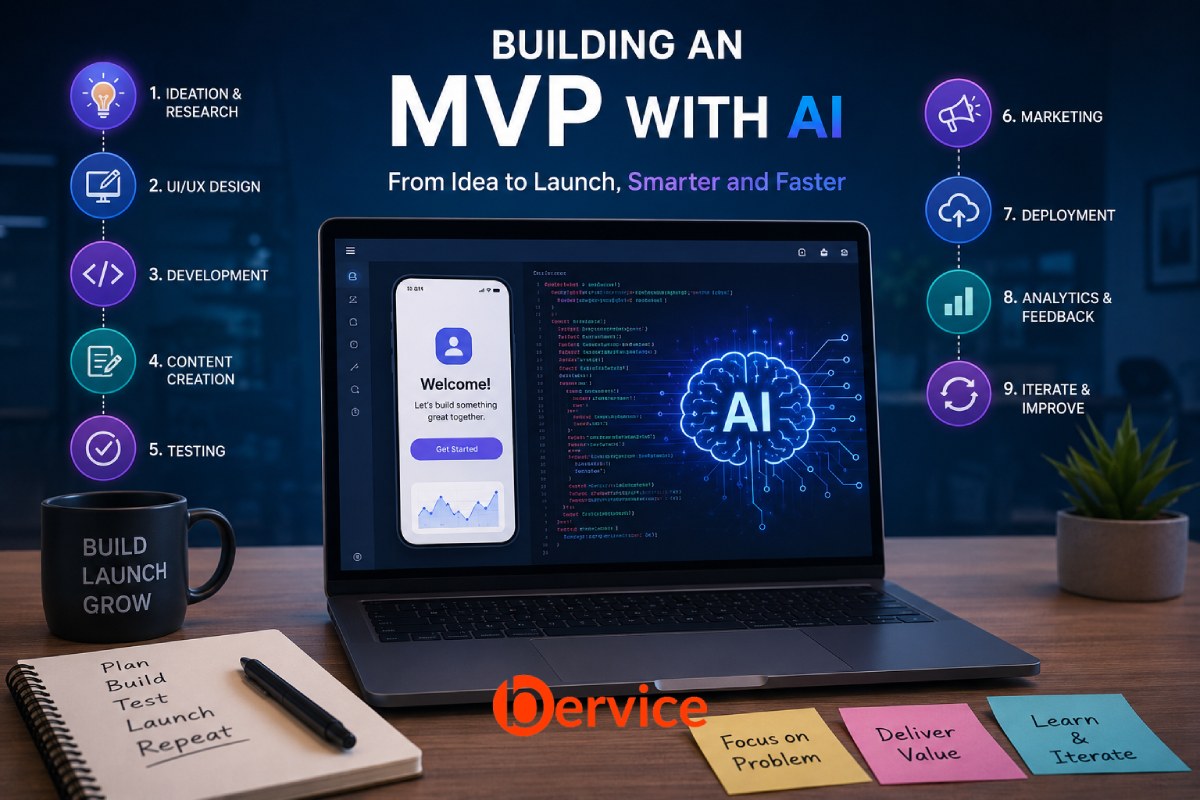
Building an MVP with AI: A Complete Guide from Idea to Launch
In the past, building a Minimum Viable Product (MVP) required a team of designers, frontend developers, backend engineers, marketers, QA specialists, and content creators. Even a simple product could take months to release and require a significant budget before receiving a single piece of customer feedback. That reality is changing. Artificial Intelligence is transforming…
-
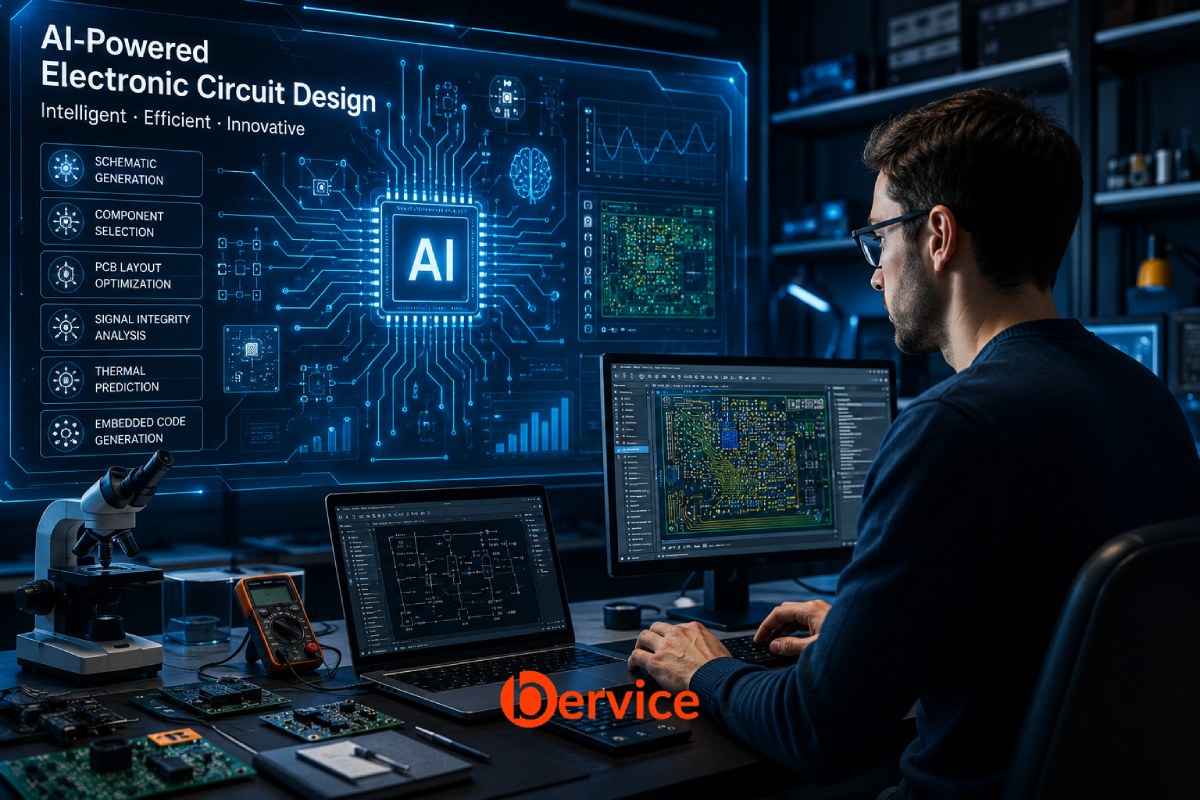
How Artificial Intelligence Is Transforming Electronic Circuit Design
Introduction Artificial Intelligence (AI) is rapidly reshaping the electronics industry. What once required weeks of manual calculations, repeated simulations, and countless hardware prototypes can now be accelerated with intelligent software capable of learning from millions of previous designs. Modern AI tools are no longer limited to automating repetitive tasks. They actively assist engineers by…
-
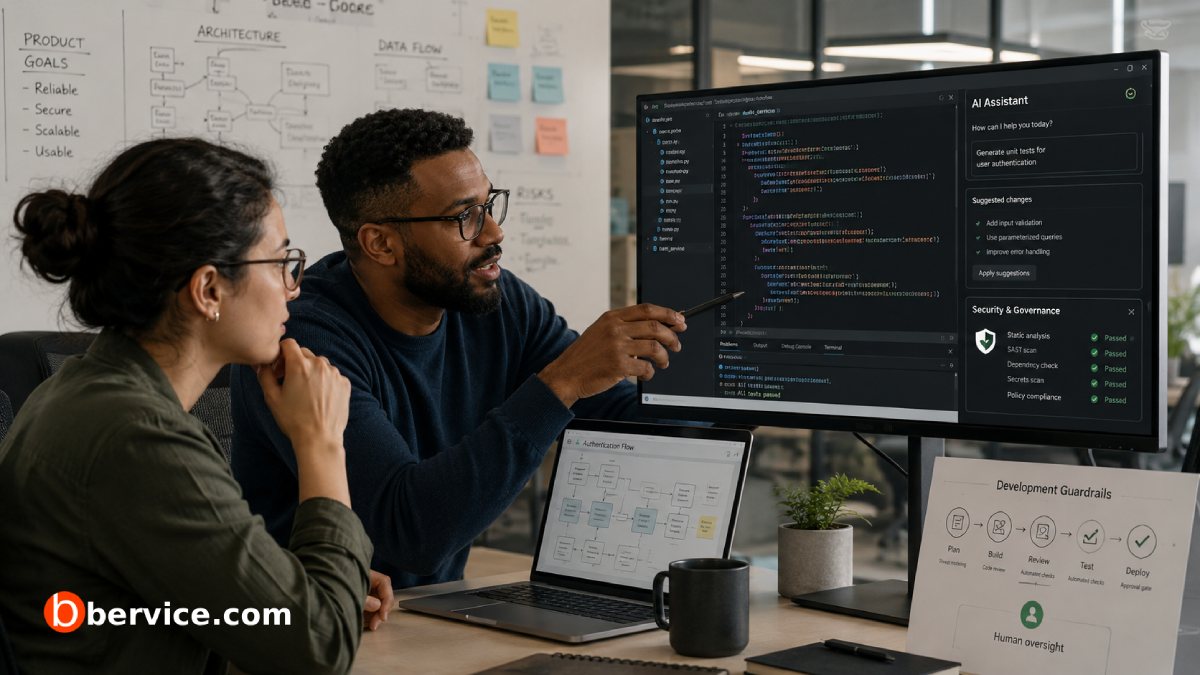
Vibe Coding: How to Use AI-Assisted Development Without Damaging Your Organization or Product
1. What Is Vibe Coding? Vibe coding is a modern style of software development where a person describes what they want in natural language, and an AI coding tool generates, edits, or fixes the code. Instead of writing every line manually, the user guides the AI through prompts, feedback, errors, and desired outcomes. The…
-
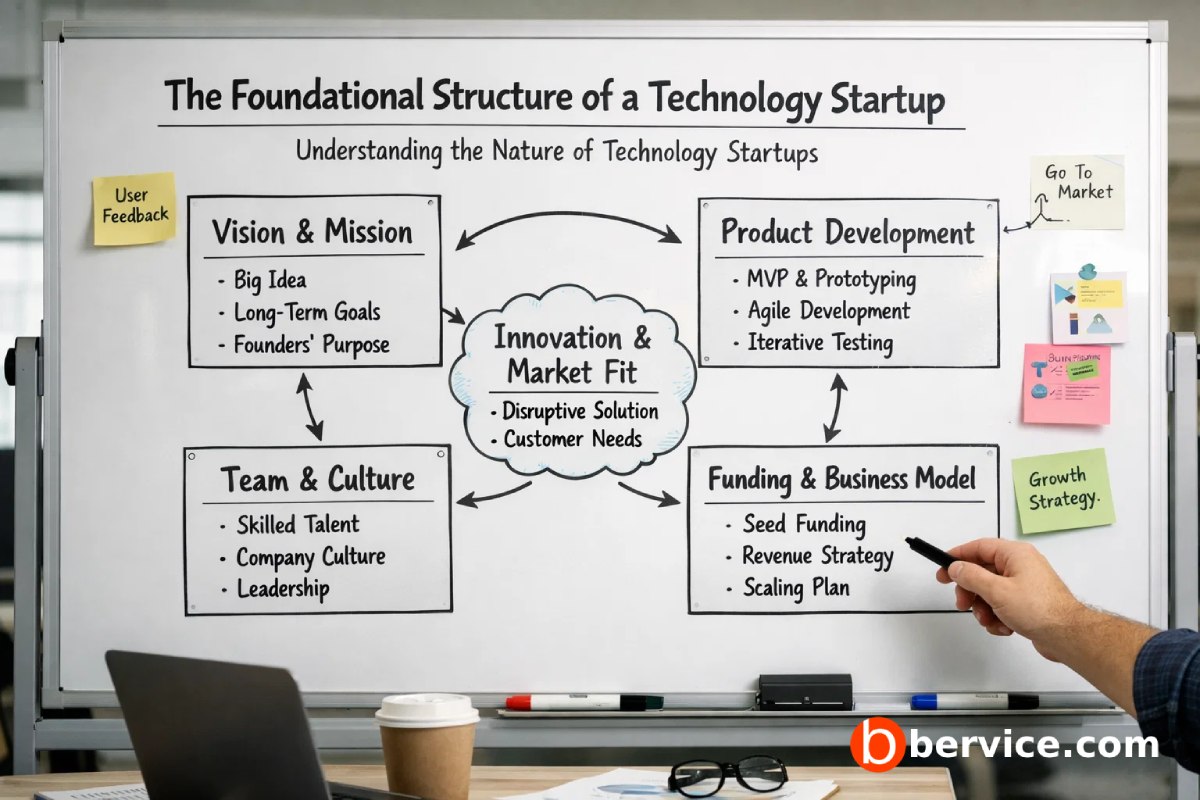
The Foundational Structure of a Technology Startup
Understanding the Nature of Technology Startups Technology startups operate in environments defined by rapid innovation, high uncertainty, and intense competition. Unlike traditional businesses that may rely on predictable markets and stable demand, tech startups must often build products for problems that are still evolving. Because of this, the initial structure of a startup becomes…
-
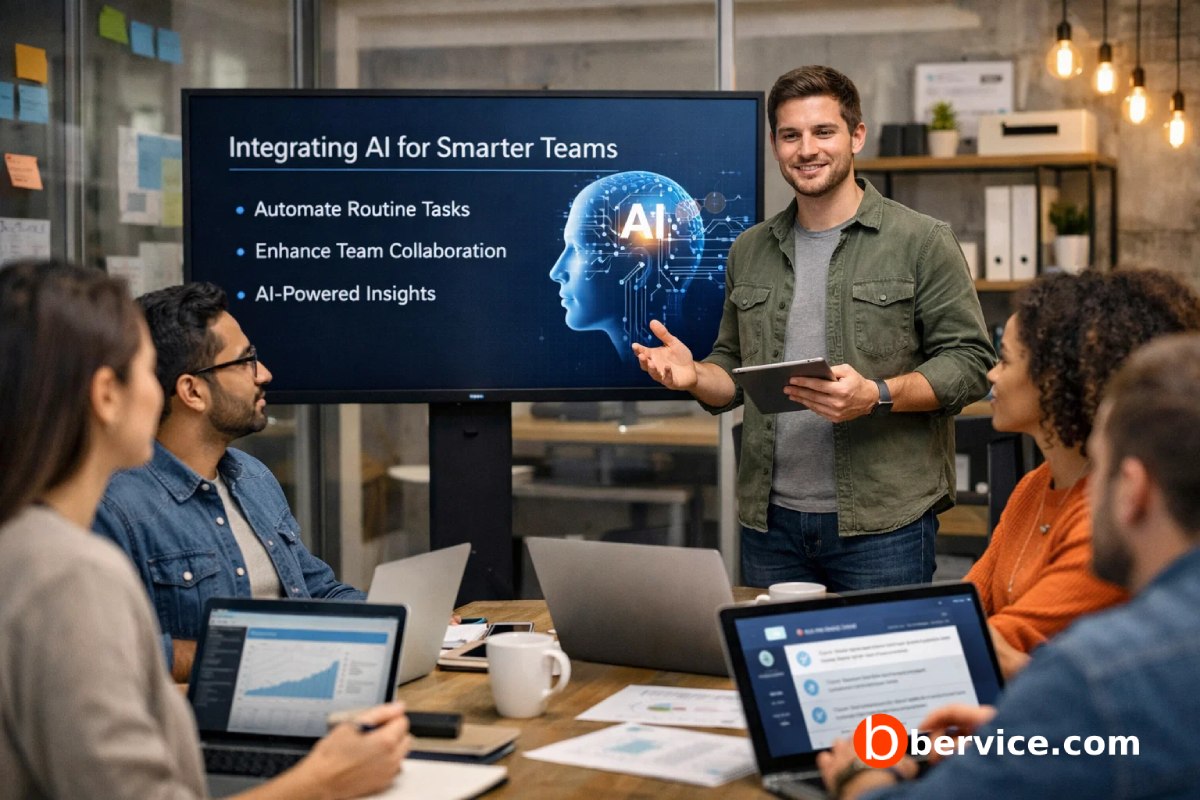
How Tech Startups Can Integrate AI to Build More Focused and Efficient Teams
Artificial Intelligence is often discussed as a tool for automation, but for technology startups its deeper value lies in improving how teams think, prioritize, and evolve. Early-stage companies operate with limited resources, small teams, and high uncertainty. In such environments, inefficient decision-making or misaligned team development can quickly slow growth. When implemented carefully, AI…