-
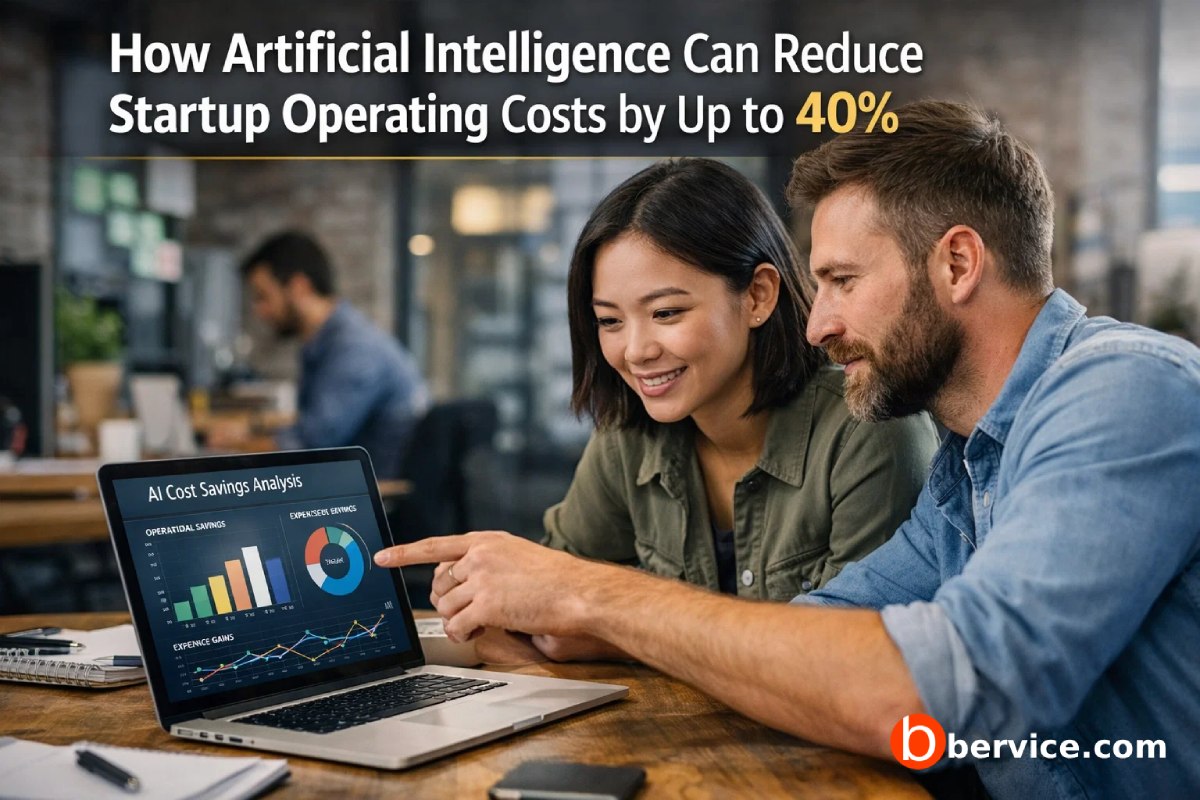
How Artificial Intelligence Can Reduce Startup Operating Costs by Up to 40%
The New Economics of Startup Efficiency In the modern technology startup environment, survival is no longer determined only by innovation, funding, or speed to market. It is increasingly shaped by operational efficiency. Startups often burn capital not because their ideas are weak, but because their internal processes are fragmented, repetitive, and overly dependent on…
-

Control Your Company with Artificial Intelligence
Introduction Modern companies generate an enormous amount of data every day, yet many important decisions are still made through incomplete reports, flawed human interpretation, and emotional judgment. In fast moving technology businesses, this creates a dangerous gap between reality and leadership perception. Teams may believe they are acting on facts, while in practice they…
-

AI Is Not a Replacer, It Is an Enhancer
Introduction: The Wrong Fear About Artificial Intelligence Artificial intelligence is often presented as a force that replaces humans, removes jobs, and takes control of company operations. This view is incomplete and, in many cases, misleading. AI is not valuable because it simply replaces people. Its real value lies in its ability to improve systems,…
-
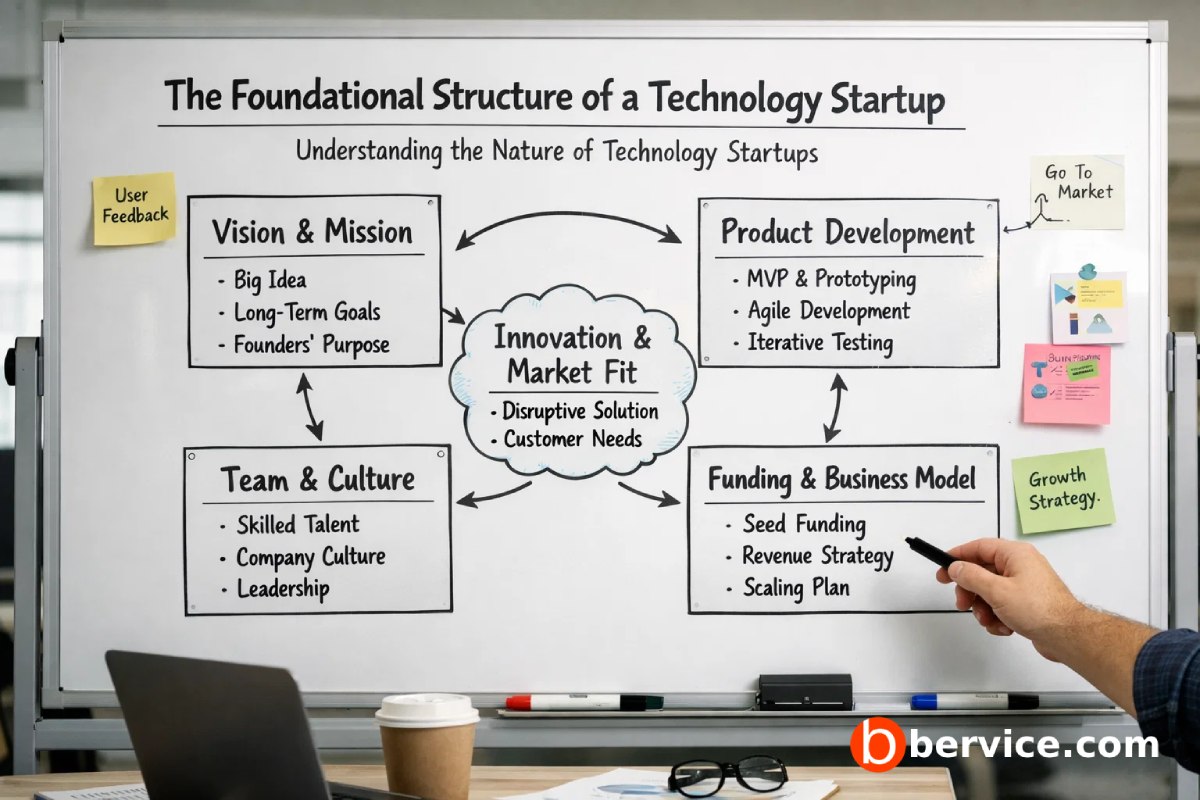
The Foundational Structure of a Technology Startup
Understanding the Nature of Technology Startups Technology startups operate in environments defined by rapid innovation, high uncertainty, and intense competition. Unlike traditional businesses that may rely on predictable markets and stable demand, tech startups must often build products for problems that are still evolving. Because of this, the initial structure of a startup becomes…
-
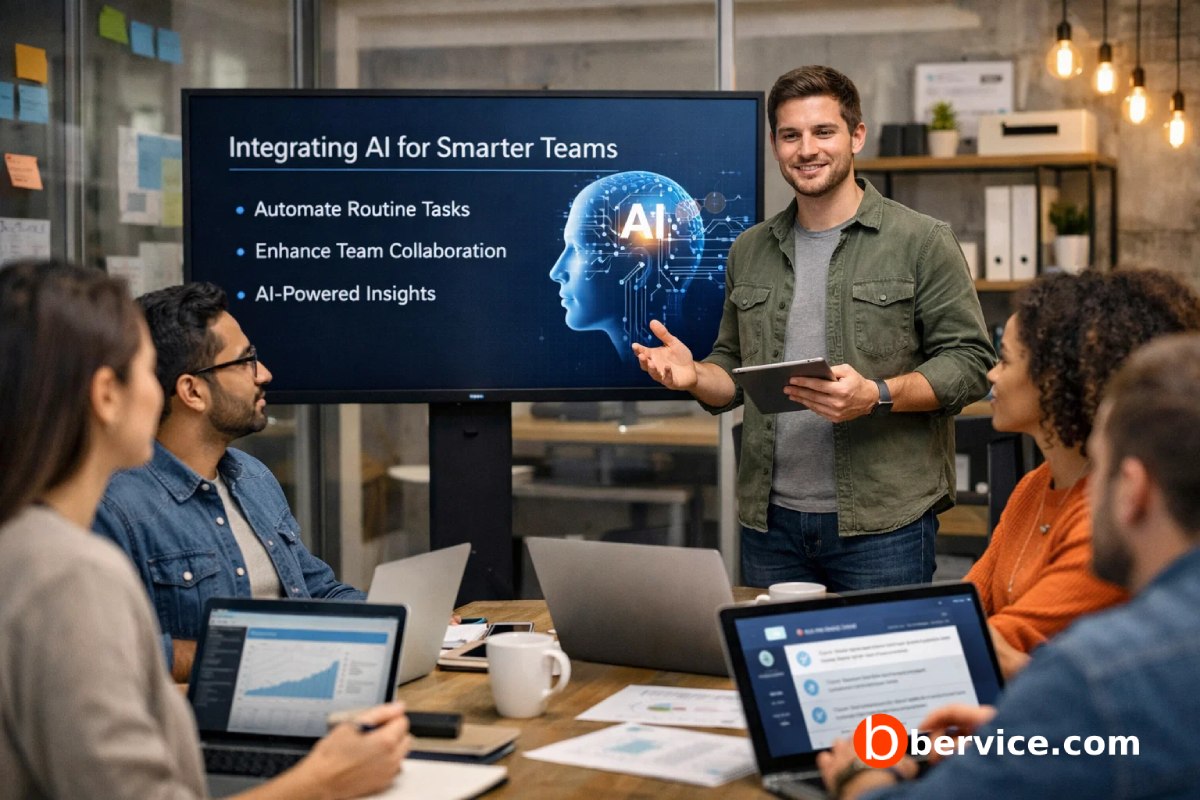
How Tech Startups Can Integrate AI to Build More Focused and Efficient Teams
Artificial Intelligence is often discussed as a tool for automation, but for technology startups its deeper value lies in improving how teams think, prioritize, and evolve. Early-stage companies operate with limited resources, small teams, and high uncertainty. In such environments, inefficient decision-making or misaligned team development can quickly slow growth. When implemented carefully, AI…