-

AI Versus the Books of History: Can Artificial Intelligence Replace Knowledge That Can No Longer Be Updated?
For most of human history, books have been one of our most powerful technologies for preserving knowledge. They have carried ideas across borders, protected discoveries from being forgotten, and allowed a person living centuries later to encounter the mind of someone long gone. But books have a fundamental limitation: once published, they become fixed.…
-
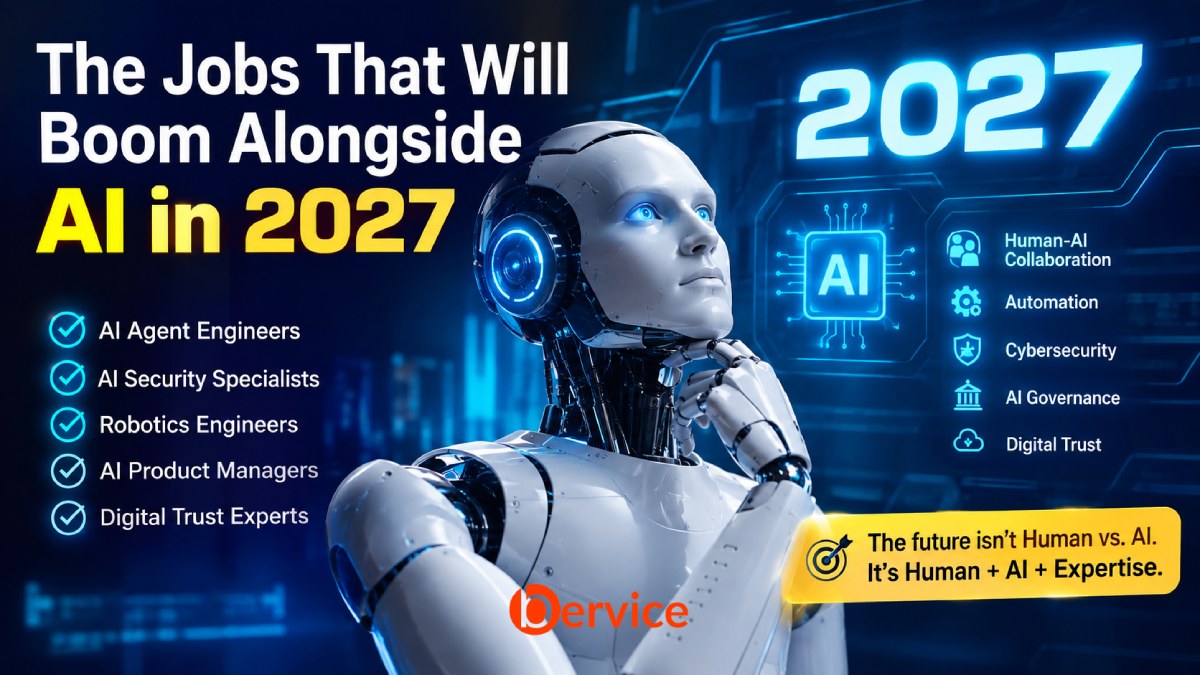
The Jobs That Will Boom Alongside AI in 2027
The Future of Work Is Not Human vs. AI. It Is Human + AI. For years, the conversation around artificial intelligence has been dominated by one question: Which jobs will AI replace? But as we move toward 2027, a more useful question is emerging: Which jobs will become more valuable because AI exists? Artificial…
-
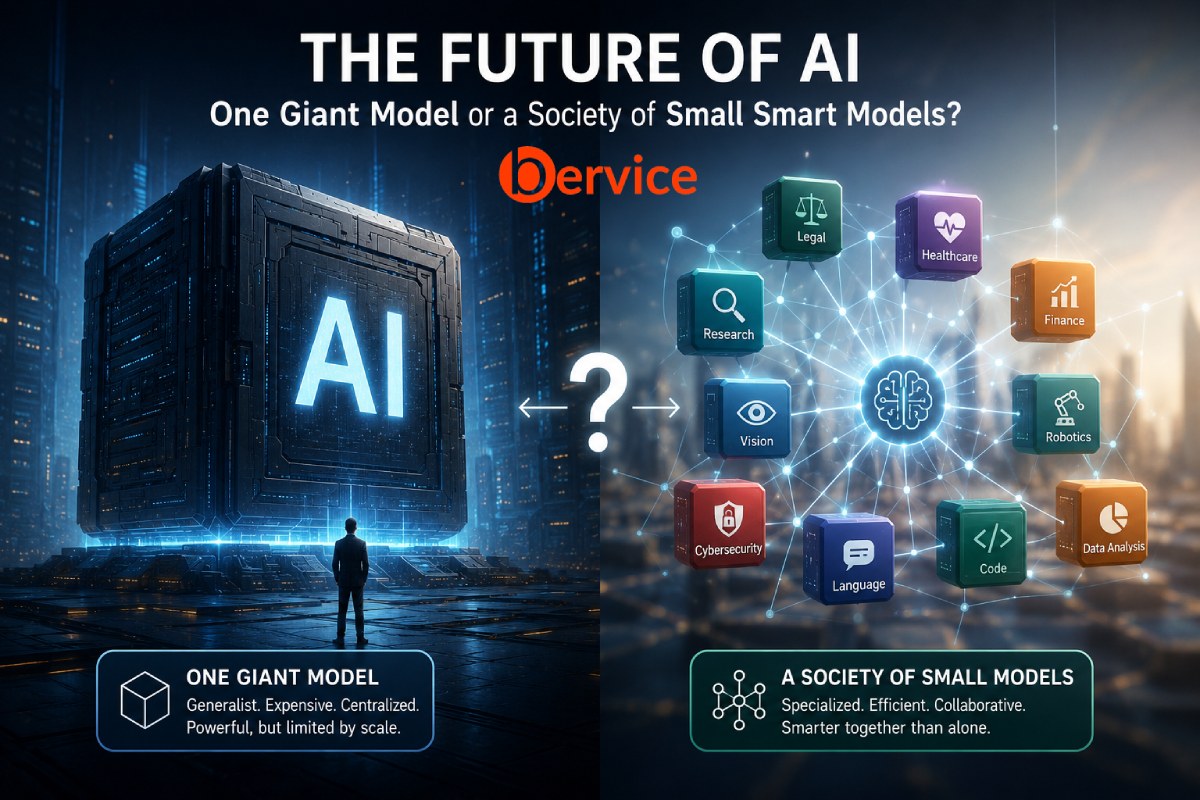
The Next Evolution of Artificial Intelligence: One Giant Model or a Society of Small Smart Models?
Introduction Artificial Intelligence is advancing faster than any technology in modern history. Every few months, larger and more capable foundation models emerge, equipped with trillions of parameters, broader knowledge, and increasingly sophisticated reasoning abilities. But a critical question is beginning to reshape the future of AI: Will intelligence continue to evolve by building one…
-

Beyond HTTPS: The World’s Most Secure Data Transfer Protocols in the Age of Cyber Warfare
Why Secure Communication Has Become a Strategic Necessity Every second, trillions of bytes of data travel across the Internet. Financial transactions, healthcare records, military communications, AI model interactions, cloud infrastructure, industrial control systems, and personal conversations all rely on digital networks. Yet many people mistakenly assume that “using HTTPS” means their information is completely…
-
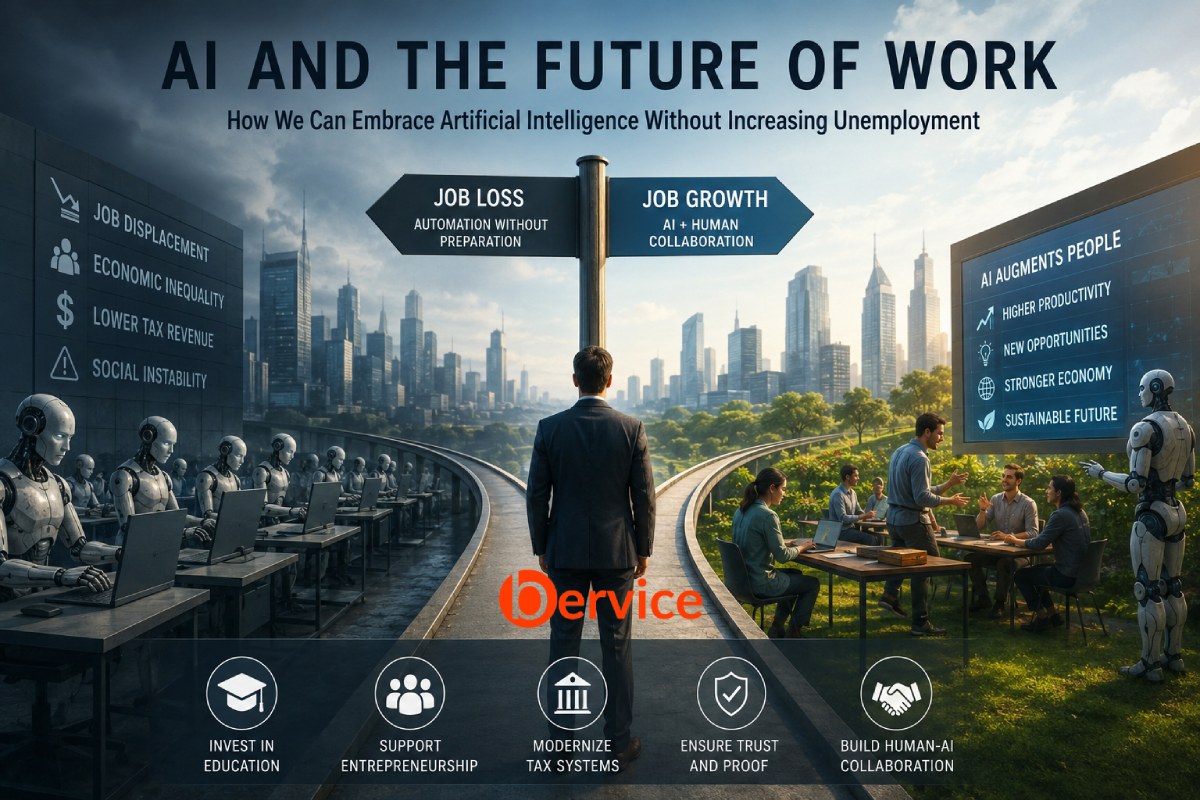
AI, Jobs, and Governments: Can We Build an AI Economy Without Mass Unemployment?
Artificial Intelligence is no longer a future technology. It is rapidly becoming part of everyday business operations, government services, healthcare, education, logistics, software development, manufacturing, and customer support. This transformation promises extraordinary gains in productivity. Yet it also raises one of the biggest economic questions of the century: Can society embrace AI without creating…