-
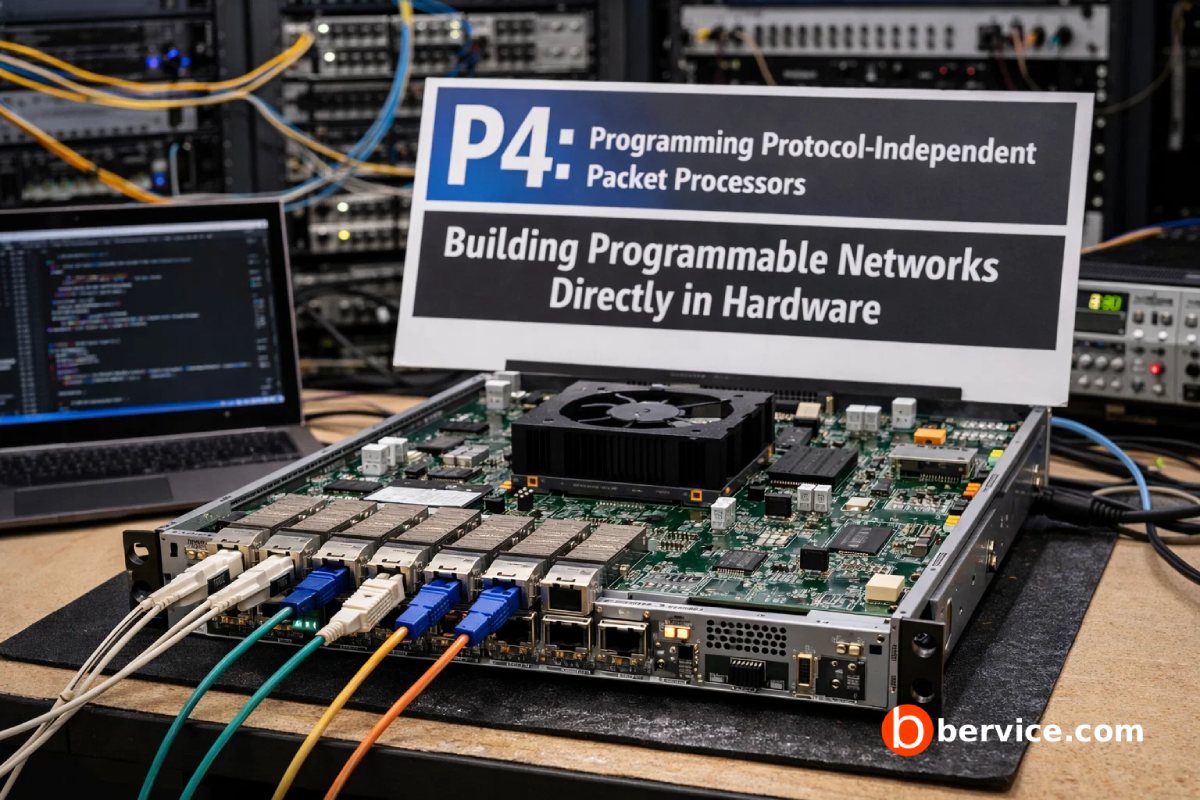
P4 Programming Protocol-Independent Packet Processors
Building Programmable Networks Directly in Hardware Introduction Modern networks are no longer just passive packet-forwarding fabrics. They are expected to enforce security policies, perform real-time telemetry, mitigate attacks, and adapt dynamically to application needs. Traditional network devices, however, rely on fixed-function data planes, where packet parsing and processing logic is hard-coded into ASICs. This…
-

Event Sourcing Storing History Instead of Final State
A Deep Dive into a Paradigm Built for Transparency, Auditability, and Time-Travel Modern software systems are increasingly expected to be auditable, resilient, and explainable. In domains like finance, banking, healthcare, and large-scale platforms, knowing what the current state is is no longer enough we must also know how we got there.This is where Event…
-

Post-Quantum Cryptography (PQC) Securing the Digital World Against Quantum Computers
Introduction Why Cryptography Must Evolve Modern digital security is built on cryptographic foundations such as RSA, ECC, and Diffie–Hellman. These algorithms protect everything from online banking and cloud storage to messaging apps and national infrastructure. However, the emergence of quantum computing threatens to undermine this foundation entirely. Quantum computers, once sufficiently powerful, will be…
-

Enhancing Security in Mobile Application Development
With the rapid growth of mobile applications across all industries, security has become one of the most critical concerns for developers and organizations alike. Mobile apps often handle sensitive user data such as personal information, financial details, and authentication credentials. Any security flaw can lead to data breaches, unauthorized access, and severe damage to…
-
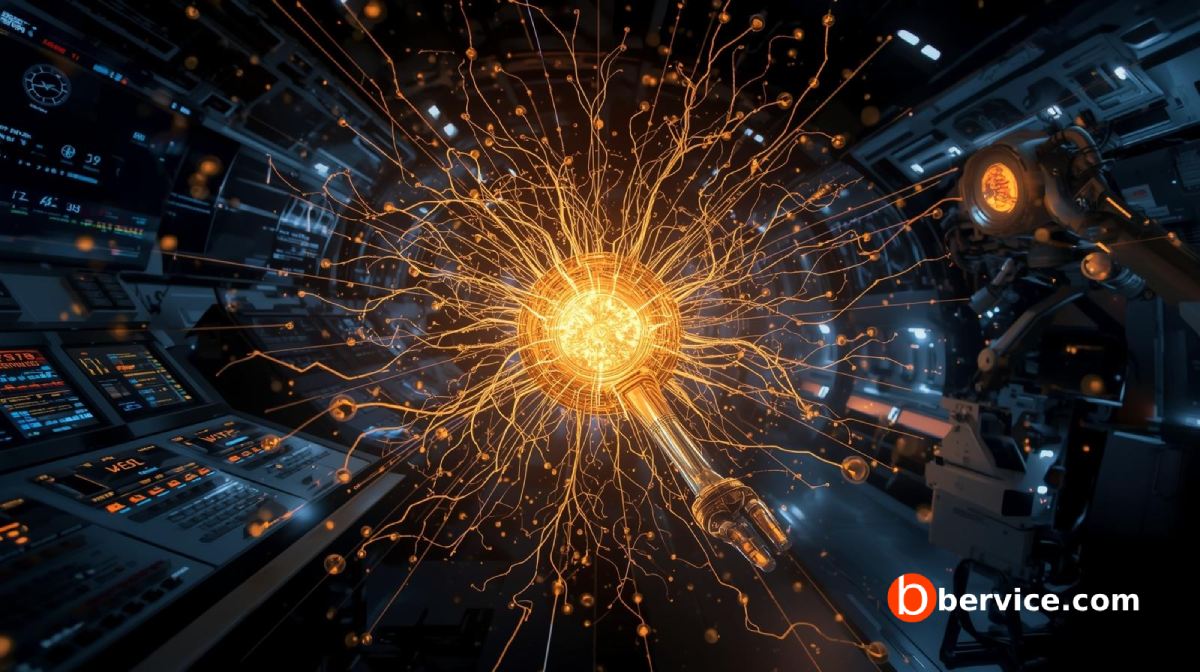
VxWorks: The Hidden Brain Behind Spacecraft, Robots, and Mission-Critical Systems
When people think about space exploration, they imagine rockets, rovers, and distant planets. Rarely do they think about the operating system quietly running in the background making real-time decisions where even a millisecond delay or a single fault could mean mission failure. Behind many of humanity’s most demanding machines lies VxWorks, a real-time operating…