-
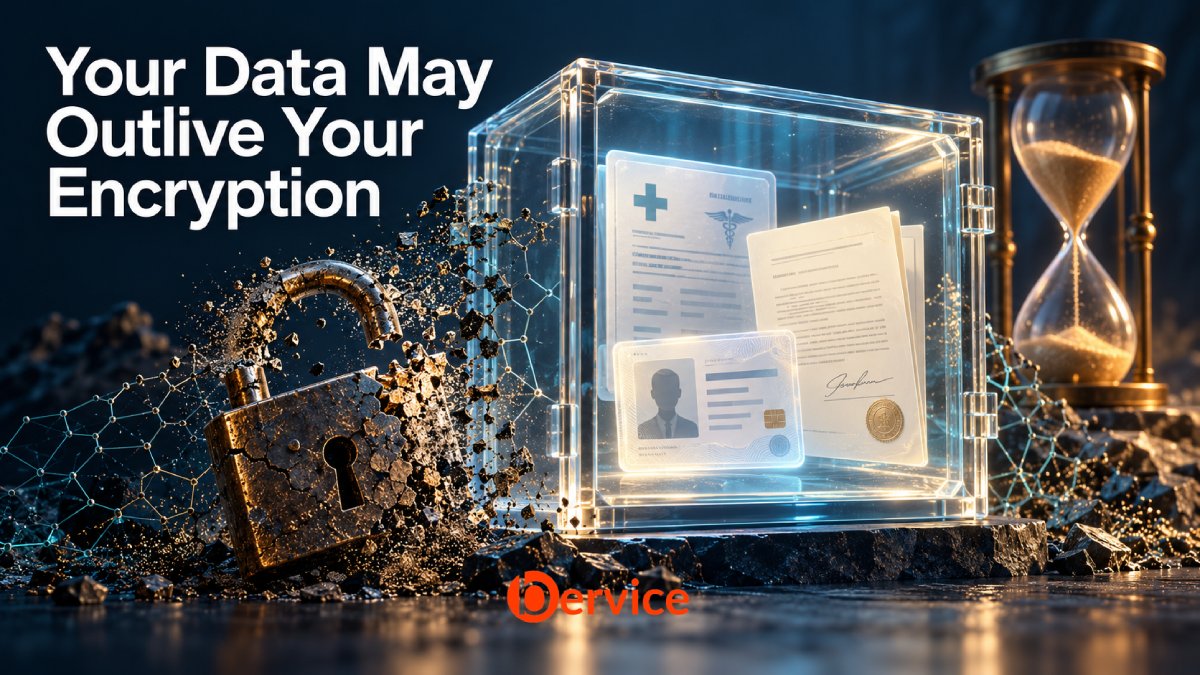
Your Data May Outlive Your Encryption
Medical records, contracts, and identity documents can remain sensitive for decades. Their protection needs to account for that entire lifetime. A password can be changed. A medical history cannot. A contract may expire while its confidential terms remain commercially valuable. An identity document may become invalid while the personal details it contains remain useful…
-
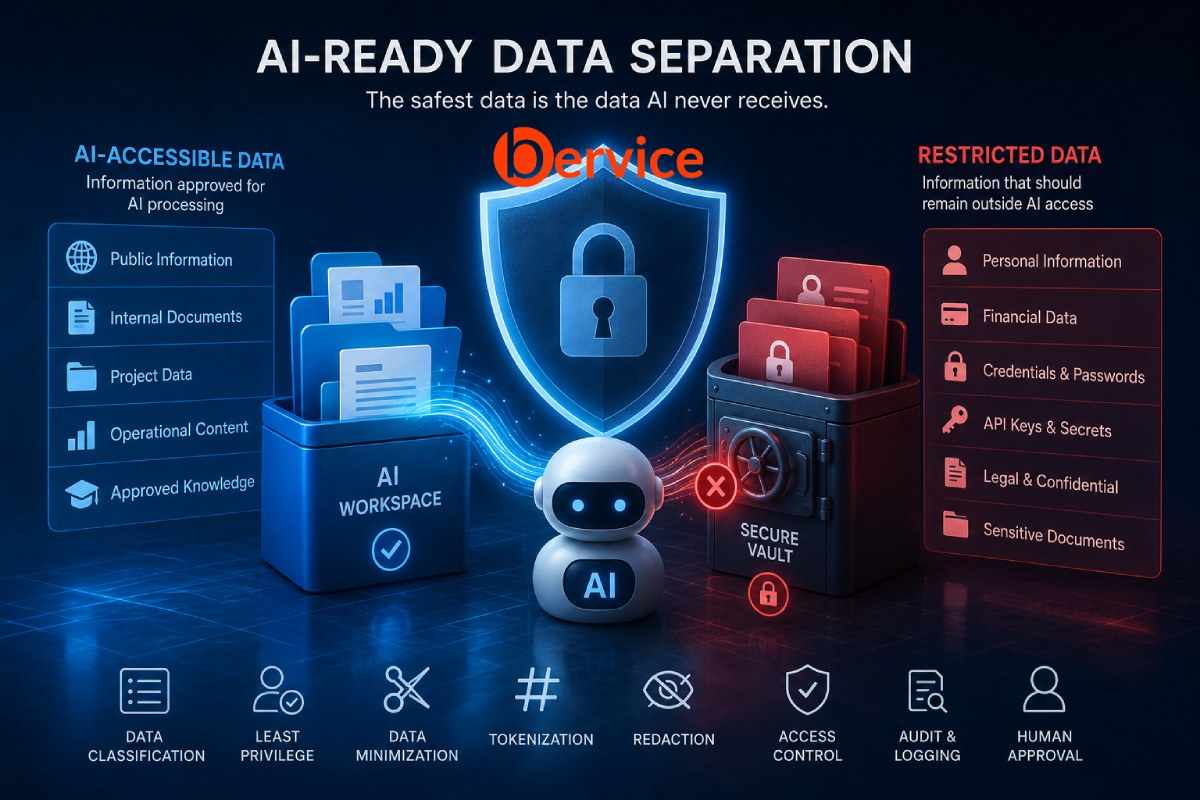
Separating Everyday Data from Sensitive Information in the Age of AI
Introduction Artificial intelligence is rapidly becoming part of everyday digital life. AI systems can now help us write emails, analyze documents, summarize meetings, search company knowledge, generate software, manage projects, analyze financial information, and automate repetitive work. The productivity benefits are enormous. But the expansion of AI into our daily workflows introduces a fundamental…
-
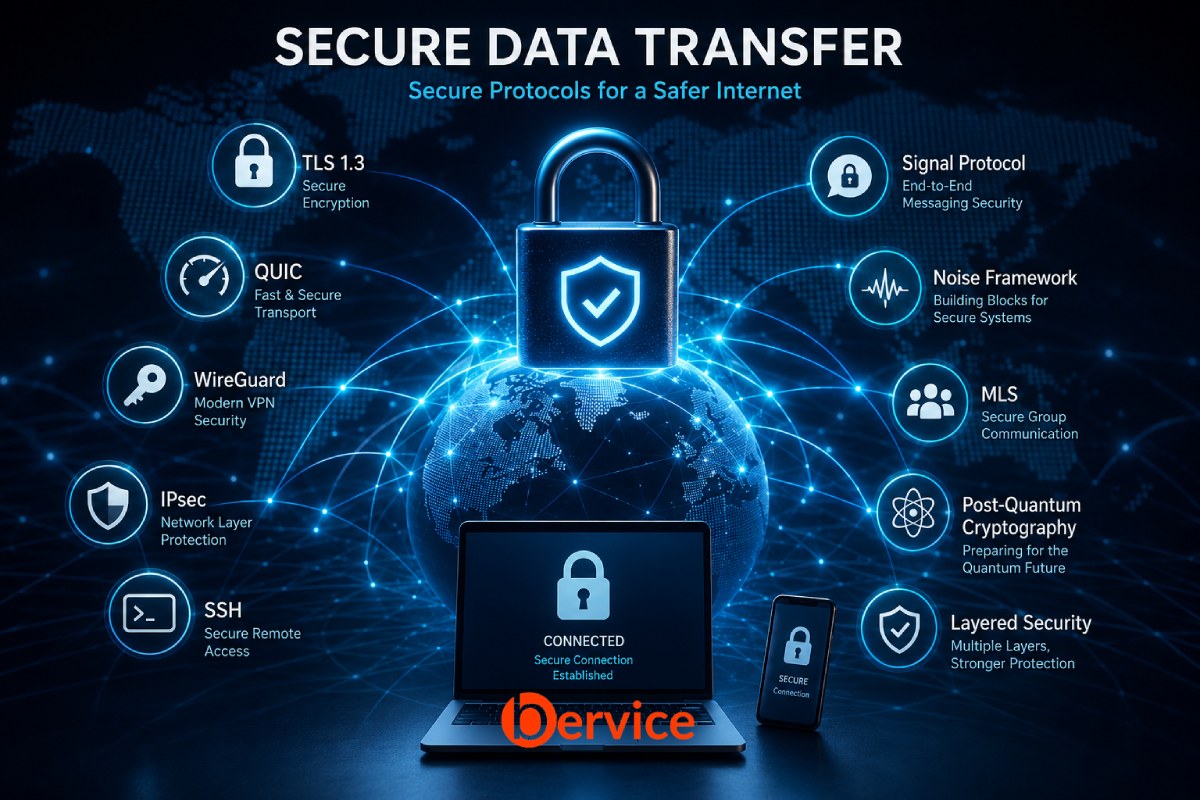
Beyond HTTPS: The World’s Most Secure Data Transfer Protocols in the Age of Cyber Warfare
Why Secure Communication Has Become a Strategic Necessity Every second, trillions of bytes of data travel across the Internet. Financial transactions, healthcare records, military communications, AI model interactions, cloud infrastructure, industrial control systems, and personal conversations all rely on digital networks. Yet many people mistakenly assume that “using HTTPS” means their information is completely…
-
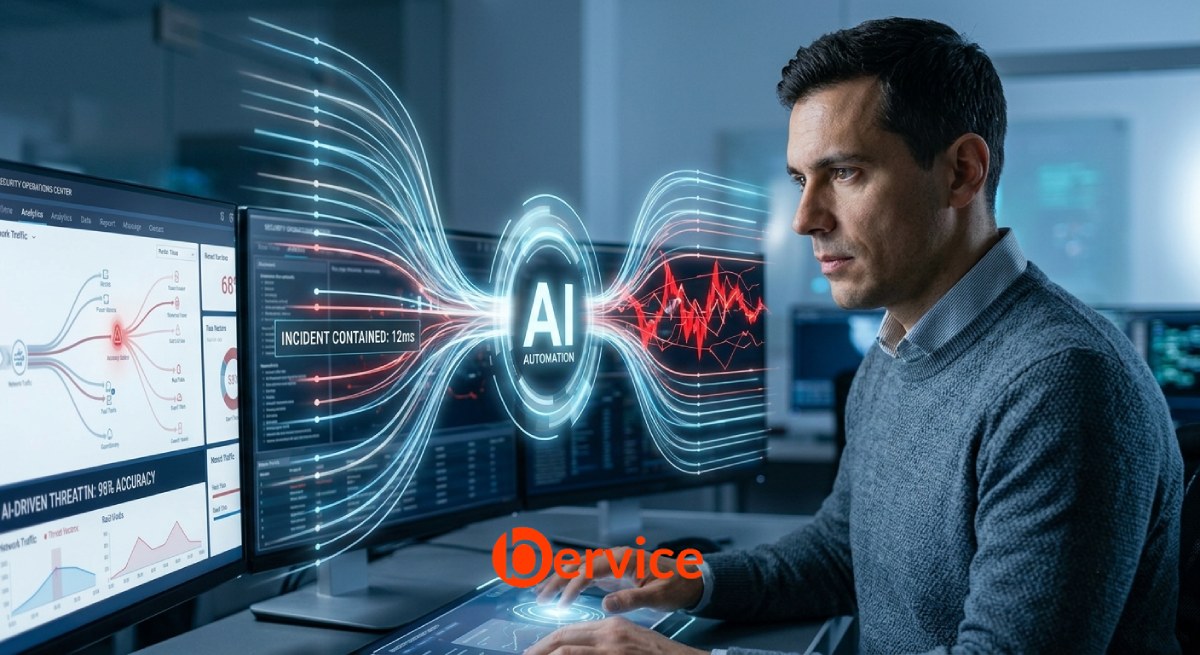
Why Traditional Security Is No Longer Enough: Why AI Must Become Part of Your Security Architecture
Introduction For decades, cybersecurity has been built on a simple assumption: if organizations could build stronger walls, attackers would eventually give up. Firewalls became smarter. Antivirus software became faster. Intrusion Detection Systems became more sophisticated. Security teams invested billions in prevention. Yet despite all these investments, cyberattacks continue to increase in both frequency and…
-
How to Improve Information Security When Using Cloud-Based LLMs: Organizational and Business Strategies
1. Introduction: Cloud LLMs Are Powerful, but They Change the Security Model Cloud-based Large Language Models are becoming part of daily business operations. Companies use them for customer support, software development, document analysis, legal review, marketing, HR, finance, research, and decision-making. The value is clear: faster workflows, better automation, lower operational costs, and access…