-
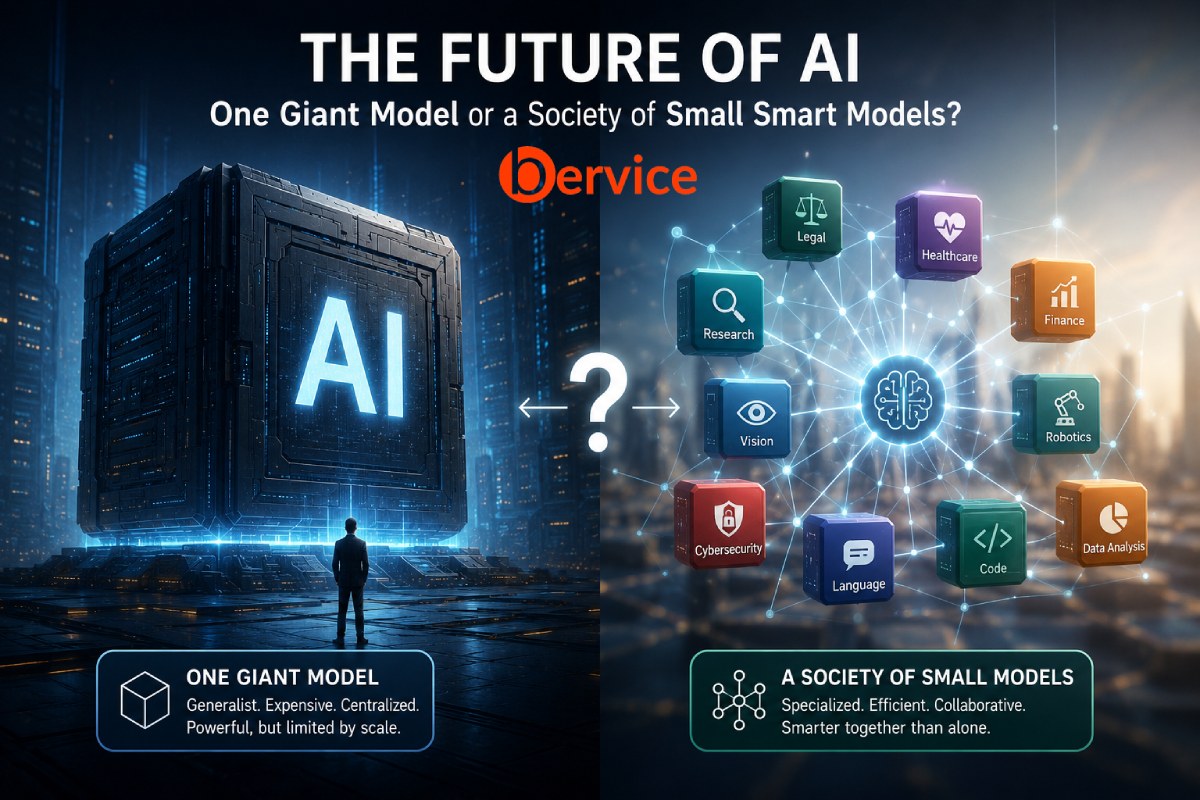
The Next Evolution of Artificial Intelligence: One Giant Model or a Society of Small Smart Models?
Introduction Artificial Intelligence is advancing faster than any technology in modern history. Every few months, larger and more capable foundation models emerge, equipped with trillions of parameters, broader knowledge, and increasingly sophisticated reasoning abilities. But a critical question is beginning to reshape the future of AI: Will intelligence continue to evolve by building one…
-
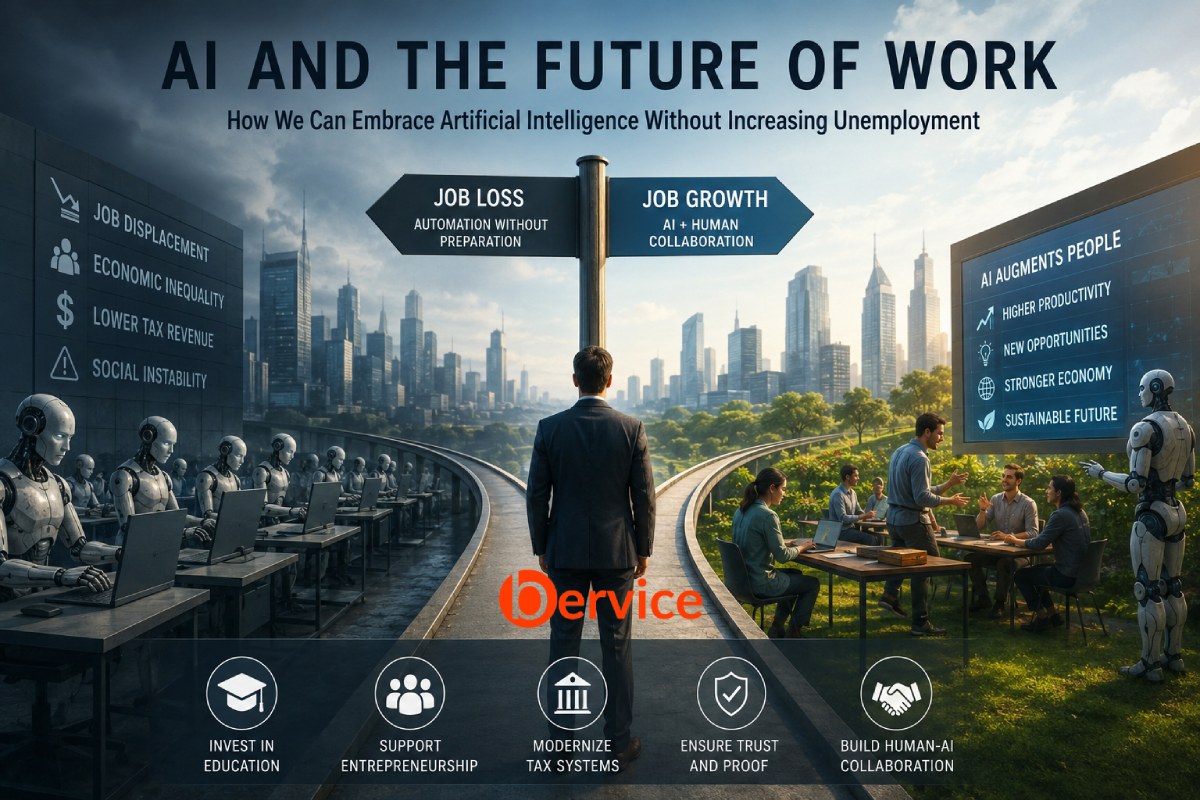
AI, Jobs, and Governments: Can We Build an AI Economy Without Mass Unemployment?
Artificial Intelligence is no longer a future technology. It is rapidly becoming part of everyday business operations, government services, healthcare, education, logistics, software development, manufacturing, and customer support. This transformation promises extraordinary gains in productivity. Yet it also raises one of the biggest economic questions of the century: Can society embrace AI without creating…
-
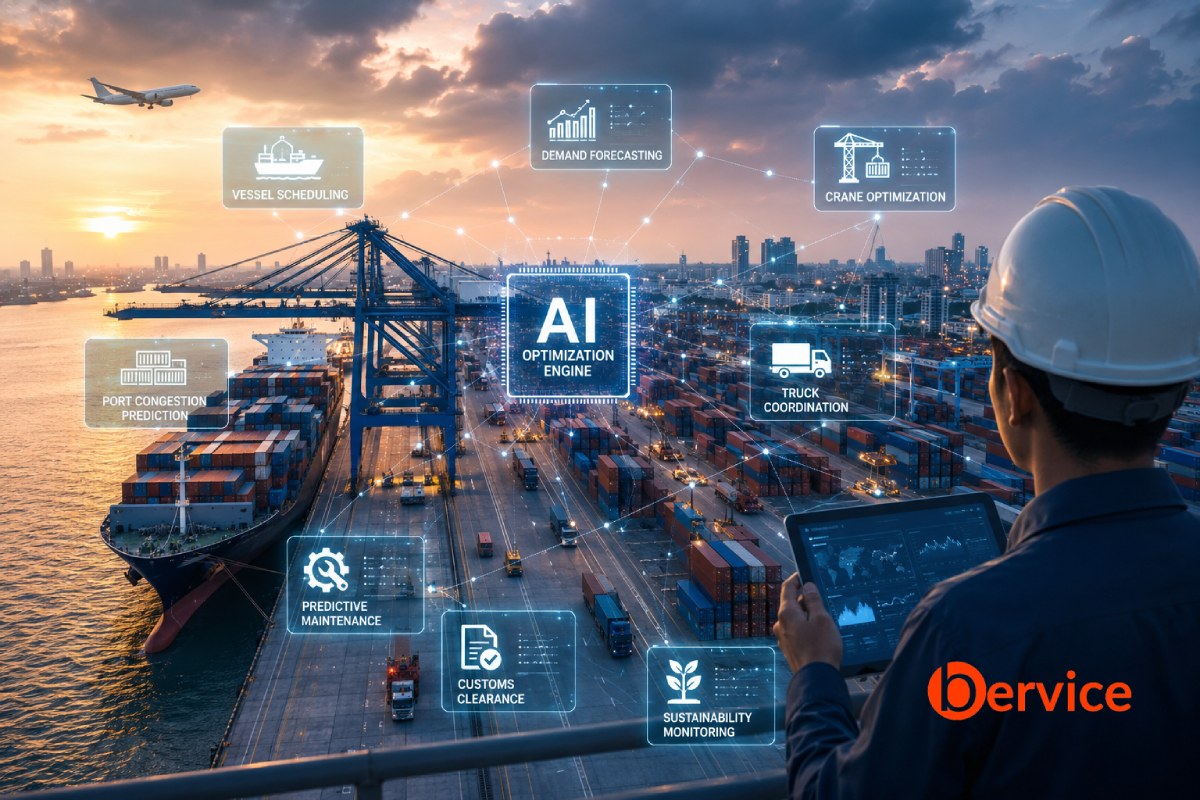
AI and the Bottlenecks of Global Ports: How Artificial Intelligence Is Reinventing the Supply Chain
Introduction For decades, global trade has relied on an intricate network of ports, shipping companies, warehouses, railways, trucking fleets, and distribution centers. More than 80% of international trade by volume moves through maritime shipping, making ports one of the most critical infrastructures in the global economy. Yet despite advances in automation, many ports still…
-
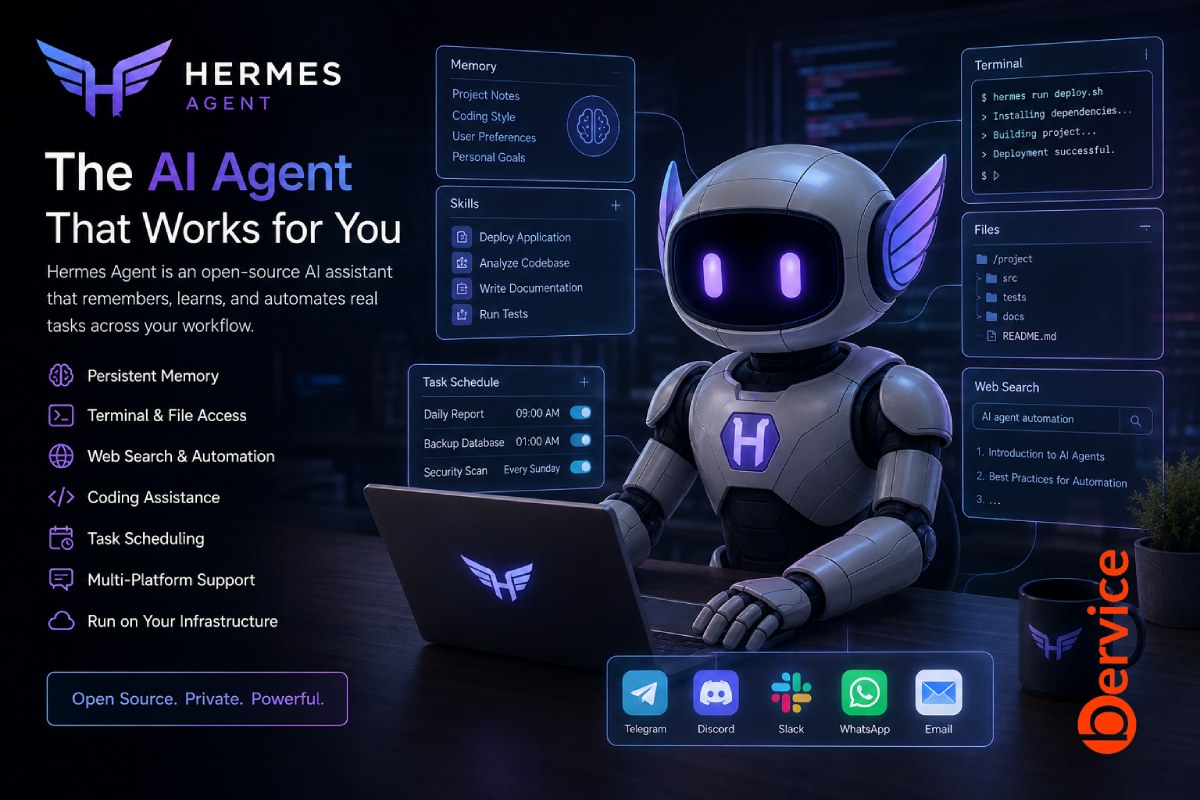
Hermes Agent: The Open Source AI Agent That Learns, Remembers, and Works for You
Introduction Artificial Intelligence is rapidly evolving beyond simple chatbots. While conversational AI has become incredibly capable at answering questions, writing content, and generating code, modern businesses increasingly require AI systems that can actually perform work rather than merely discuss it. This new generation of software is known as AI Agents. Among the most promising…
-
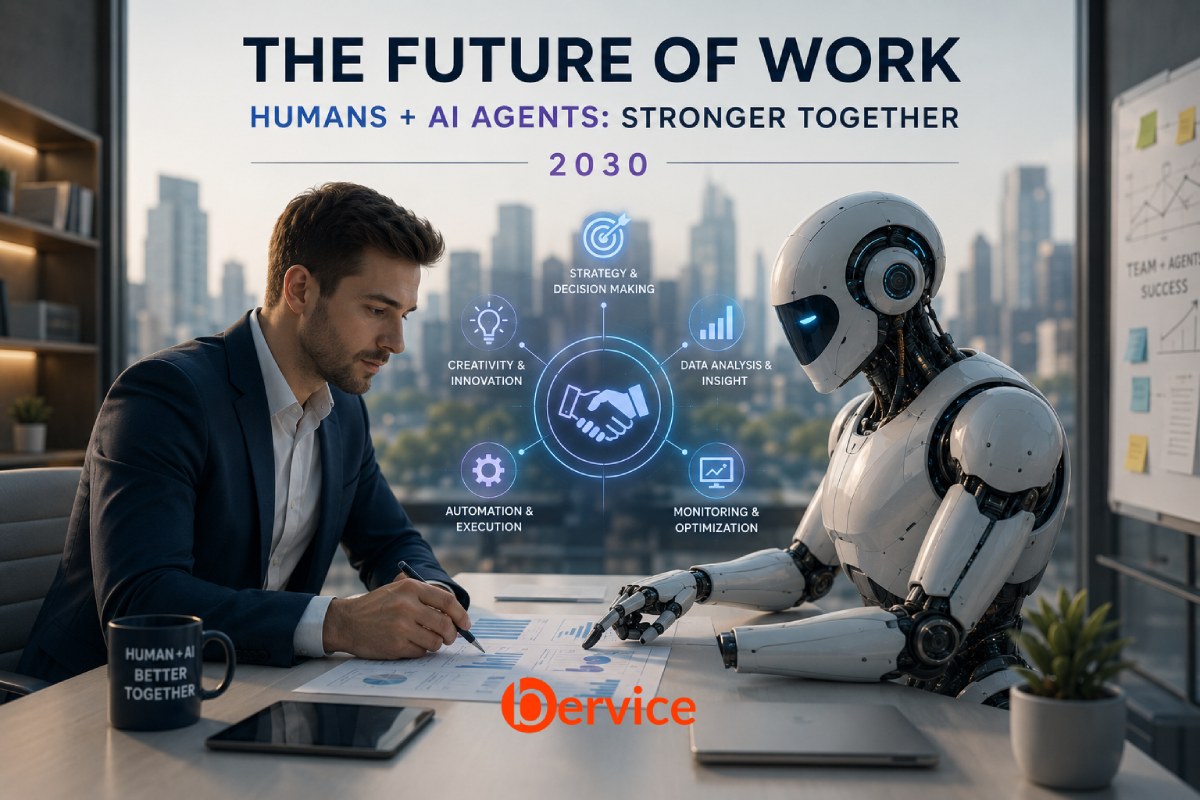
The Future Isn’t Companies Without Employees. It’s Companies Where Humans and AI Agents Work Together
Rethinking the Organization of 2030 For years, headlines have predicted the same future: ” AI will replace workers.” “Companies won’t need employees anymore.” “One founder will build a billion-dollar company with AI.” These predictions generate attention, but they oversimplify what is actually happening. The companies that will dominate the next decade are unlikely to…