-

Local AI Automation and the Supervisory Eye: A New Architecture for Controlled Autonomy
Artificial intelligence is rapidly moving beyond chat interfaces. It is beginning to operate software, monitor equipment, process documents, manage workflows, and make thousands of small decisions across organizations. But as AI becomes more operational, a difficult question appears: how can a business automate more without losing visibility and control? One promising answer is a…
-

AI Versus the Books of History: Can Artificial Intelligence Replace Knowledge That Can No Longer Be Updated?
For most of human history, books have been one of our most powerful technologies for preserving knowledge. They have carried ideas across borders, protected discoveries from being forgotten, and allowed a person living centuries later to encounter the mind of someone long gone. But books have a fundamental limitation: once published, they become fixed.…
-
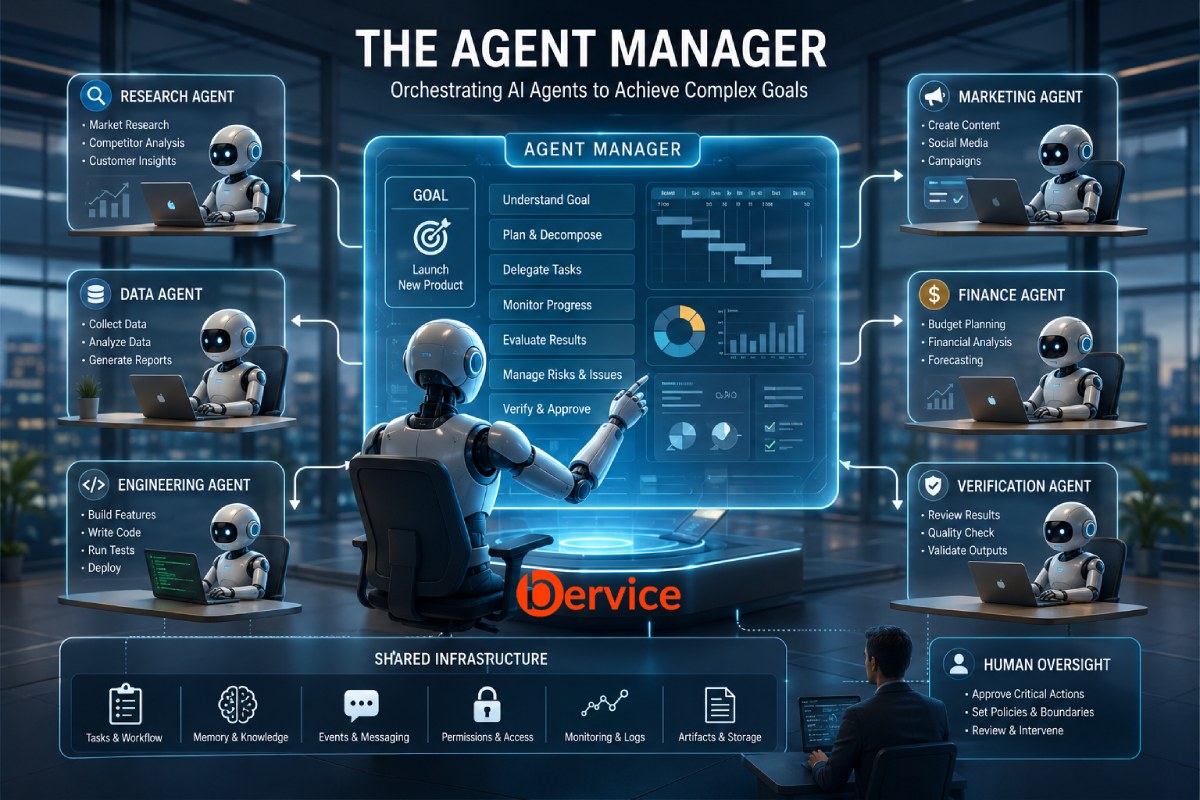
The Agent Manager: How to Build an AI That Manages Other AI Agents
Artificial intelligence is moving beyond the era of the single assistant. The next generation of AI systems will not consist of one model trying to understand a request, search for information, use tools, make decisions, execute actions, verify results, and communicate with the user all inside the same loop. Instead, AI systems are beginning…
-
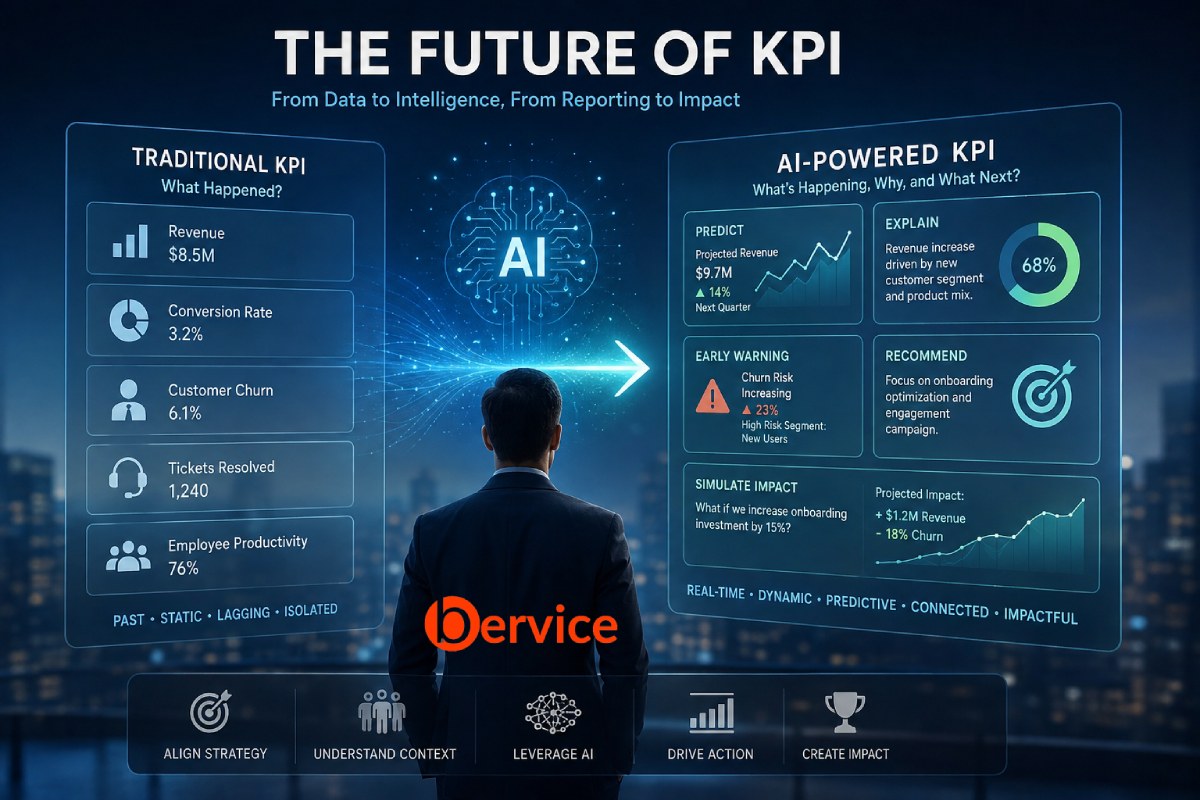
The New Shape of KPIs in the Age of AI
From Measuring Performance to Understanding Impact For decades, organizations have relied on Key Performance Indicators, or KPIs, to answer a seemingly simple question: Are we performing well? Revenue growth, conversion rates, customer acquisition costs, employee productivity, churn, delivery times, sales quotas, and countless other metrics have become the language of modern management. But there…
-
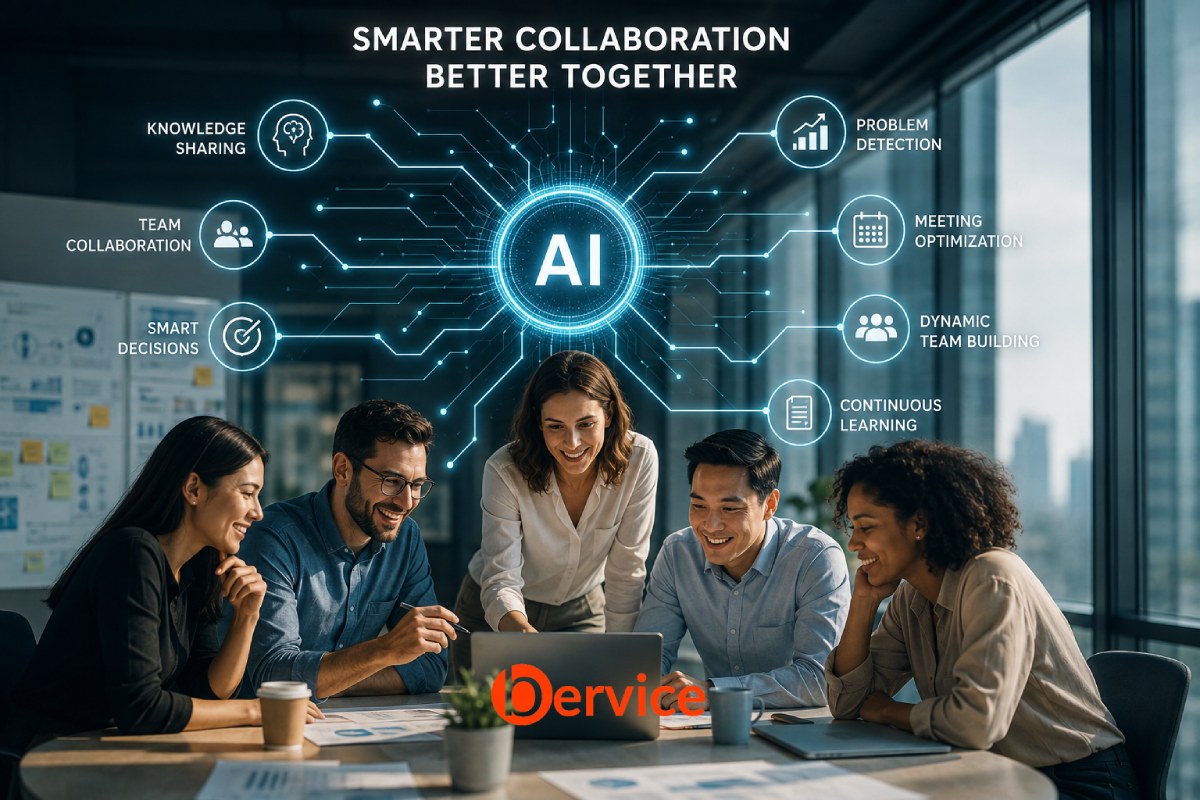
How AI Can Improve Human Processes in Collaborative Execution
The Next Competitive Advantage Is Not Better Individuals. It Is Better Collaboration. Artificial intelligence is often discussed as a tool that makes individuals more productive. We celebrate AI because it writes faster, analyzes data instantly, generates software, designs graphics, and automates repetitive work. Yet the greatest transformation AI will create may not be individual…