-
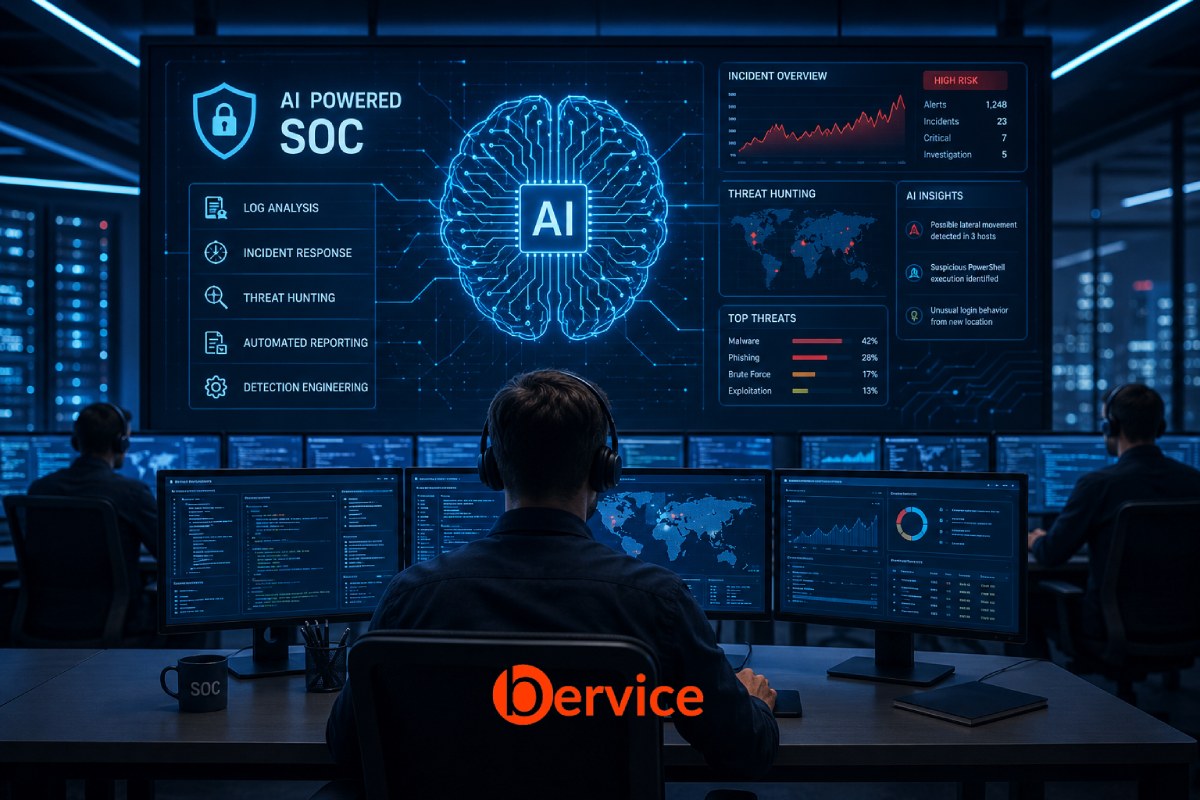
Building an AI Powered Security Operations Center (SOC)
How Large Language Models Are Transforming Log Analysis, Incident Response, and Threat Hunting Introduction Modern Security Operations Centers (SOCs) face an overwhelming challenge. Every day, organizations generate millions of security events from firewalls, cloud platforms, identity providers, endpoint protection tools, applications, databases, and network devices. While security technologies have become increasingly sophisticated, the volume…
-
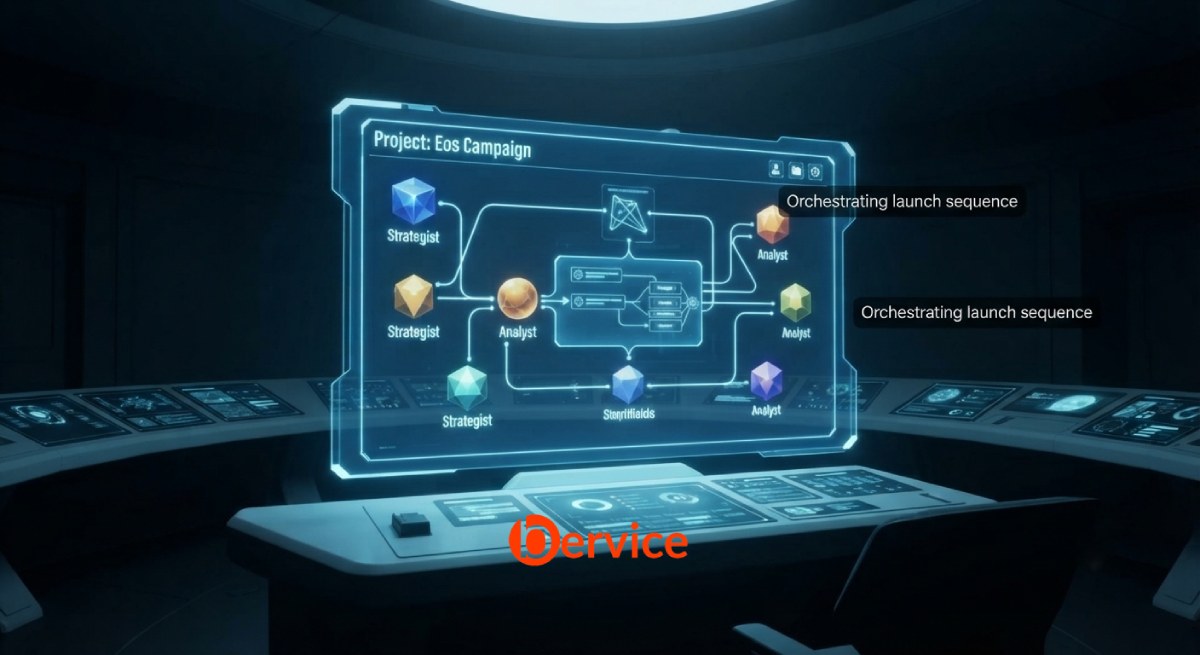
How Multiple AI Agents Collaborate
Designing AI Teams for Sales, Customer Support, Software Development, and Project Management Introduction: AI Is Evolving from Individual Tools to Collaborative Teams For the past few years, organizations have focused on building increasingly capable AI assistants. These systems excel at completing individual tasks such as writing emails, generating code, analyzing spreadsheets, or answering customer…
-
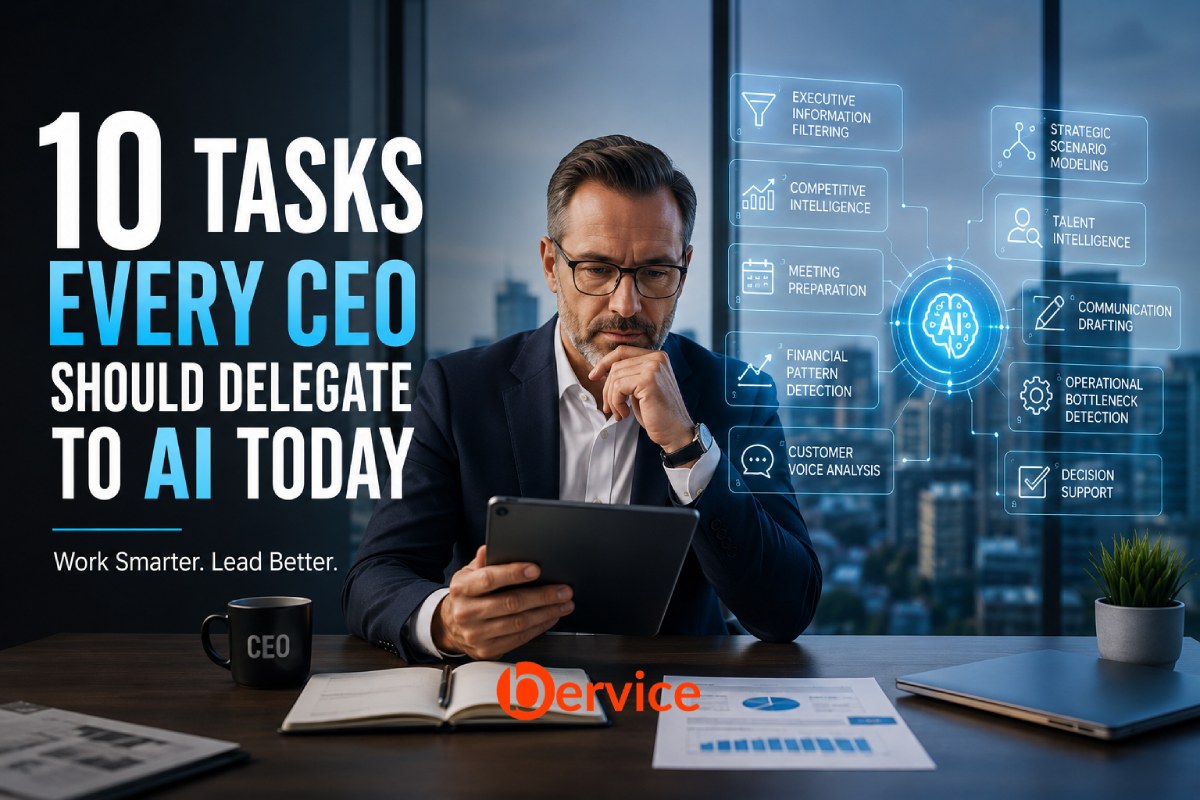
10 Tasks Every CEO Should Delegate to AI Today
The New Leadership Playbook for the Age of Intelligent Organizations For decades, the role of a CEO has been defined by one scarce resource: attention. Every day, leaders are forced to decide where to spend their time while drowning in meetings, reports, emails, market changes, and endless operational decisions. Artificial Intelligence changes that equation.…
-
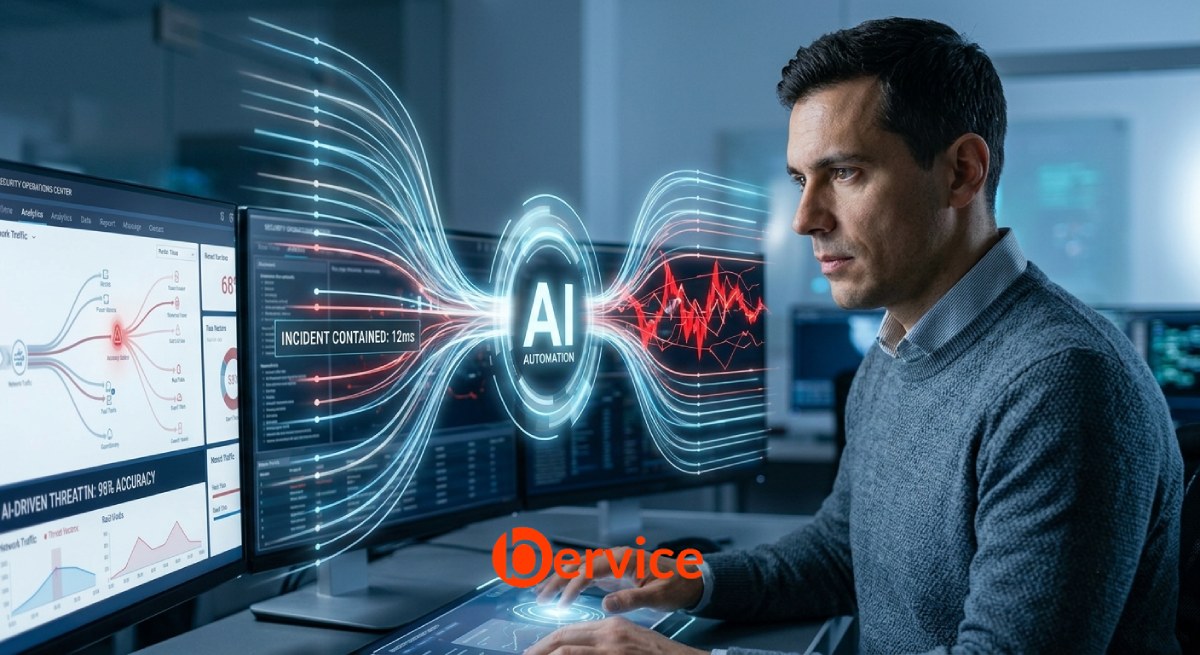
Why Traditional Security Is No Longer Enough: Why AI Must Become Part of Your Security Architecture
Introduction For decades, cybersecurity has been built on a simple assumption: if organizations could build stronger walls, attackers would eventually give up. Firewalls became smarter. Antivirus software became faster. Intrusion Detection Systems became more sophisticated. Security teams invested billions in prevention. Yet despite all these investments, cyberattacks continue to increase in both frequency and…
-
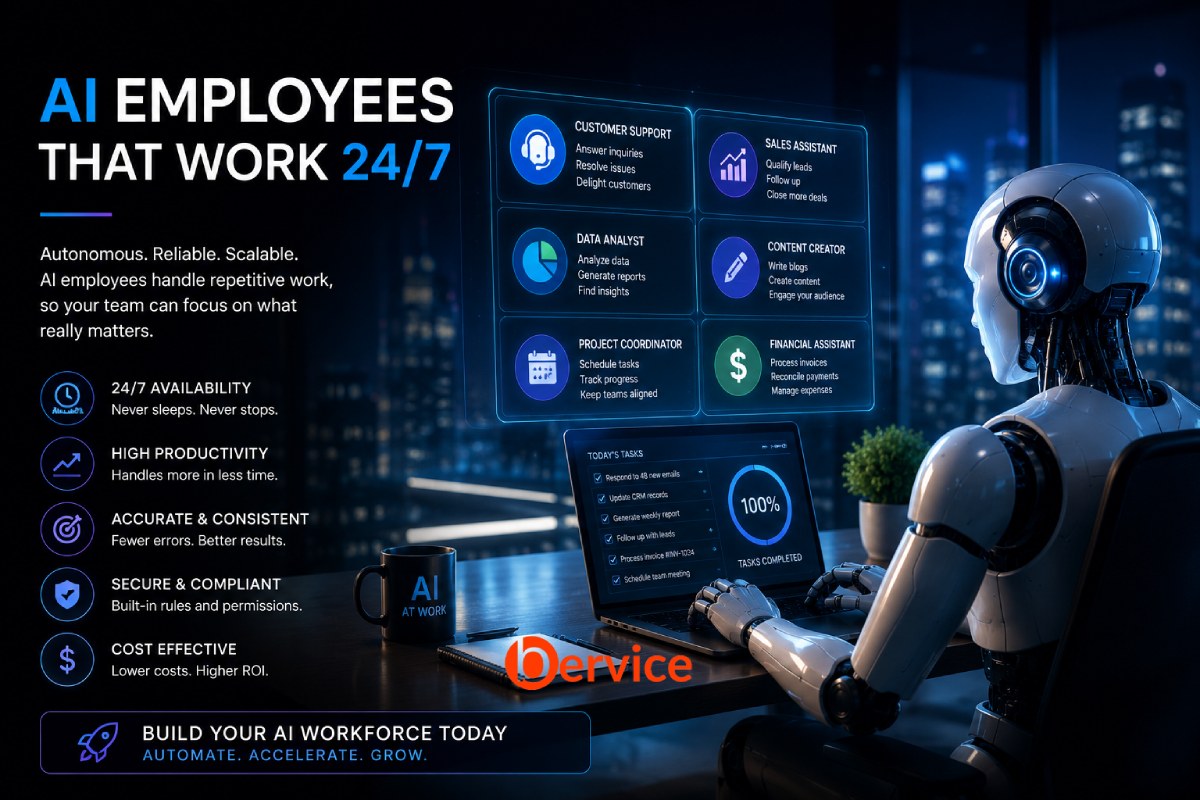
How to Build an AI Employee That Works 24/7?
Artificial Intelligence is no longer just a tool for answering questions or generating content. It is evolving into something much more valuable: a digital employee capable of performing real business tasks around the clock. Unlike traditional software, an AI employee can understand requests, make decisions within defined boundaries, communicate with customers, use business systems,…