-

The Future of Large Language Models: What We May Witness by 2027
Introduction Large Language Models (LLMs) have evolved from impressive text generators into foundational digital infrastructure. In just a few years, they have transformed software development, education, research, customer support, content creation, and business operations. Yet today’s models are likely only an early chapter in a much larger story. As we move toward 2027, the…
-

Can Artificial Intelligence Trade in Financial Markets? Will It Eventually Make Market Decisions One-Sided?
Introduction Artificial Intelligence has rapidly transformed from an experimental technology into a powerful force influencing nearly every industry. Financial markets are among the sectors experiencing the most significant changes. Today, AI systems analyze vast amounts of market data, identify patterns invisible to human traders, execute transactions in milliseconds, and continuously adapt their strategies through…
-
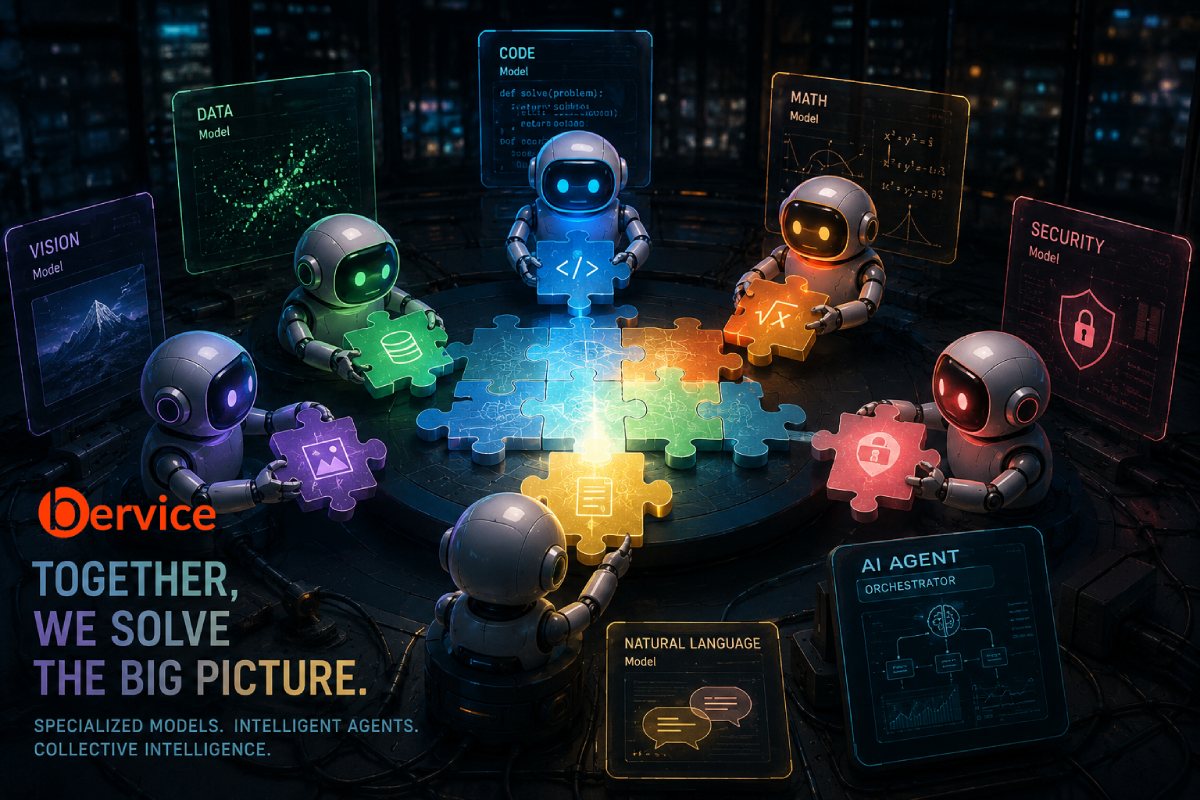
How Local AI Models Can Work Together Like Puzzle Pieces Through Agent Systems
Introduction The future of artificial intelligence is not necessarily a world dominated by a single massive model. Instead, a more scalable, efficient, and intelligent future may emerge from thousands of specialized AI models working together like puzzle pieces. This concept is becoming increasingly important as organizations seek privacy, lower costs, faster performance, and greater…
-

How to Improve Information Security When Using Cloud-Based LLMs: Organizational and Business Strategies
1. Introduction: Cloud LLMs Are Powerful, but They Change the Security Model Cloud-based Large Language Models are becoming part of daily business operations. Companies use them for customer support, software development, document analysis, legal review, marketing, HR, finance, research, and decision-making. The value is clear: faster workflows, better automation, lower operational costs, and access…
-

How to Design an Organization So Employees Do Not Accidentally or Intentionally Leak Sensitive Data and Intellectual Property to AI
Introduction: AI Is Now a Data Governance Challenge Artificial intelligence is no longer only a productivity tool. It has become part of daily work across software development, marketing, sales, legal, research, customer support, product design, and operations. Employees use AI to summarize documents, write code, analyze data, prepare emails, generate strategies, debug systems, and…