-

How to Automatically Detect and Remove AI Hallucinations from Production Systems
Introduction Artificial intelligence systems are rapidly moving from simple chat interfaces into infrastructure that makes decisions, analyzes documents, generates reports, searches corporate knowledge, writes software, communicates with customers, and operates autonomous agents. This transition creates a fundamental engineering problem: How can we determine whether an AI-generated statement is actually supported by evidence before allowing…
-

The Next Evolution of Artificial Intelligence: One Giant Model or a Society of Small Smart Models?
Introduction Artificial Intelligence is advancing faster than any technology in modern history. Every few months, larger and more capable foundation models emerge, equipped with trillions of parameters, broader knowledge, and increasingly sophisticated reasoning abilities. But a critical question is beginning to reshape the future of AI: Will intelligence continue to evolve by building one…
-
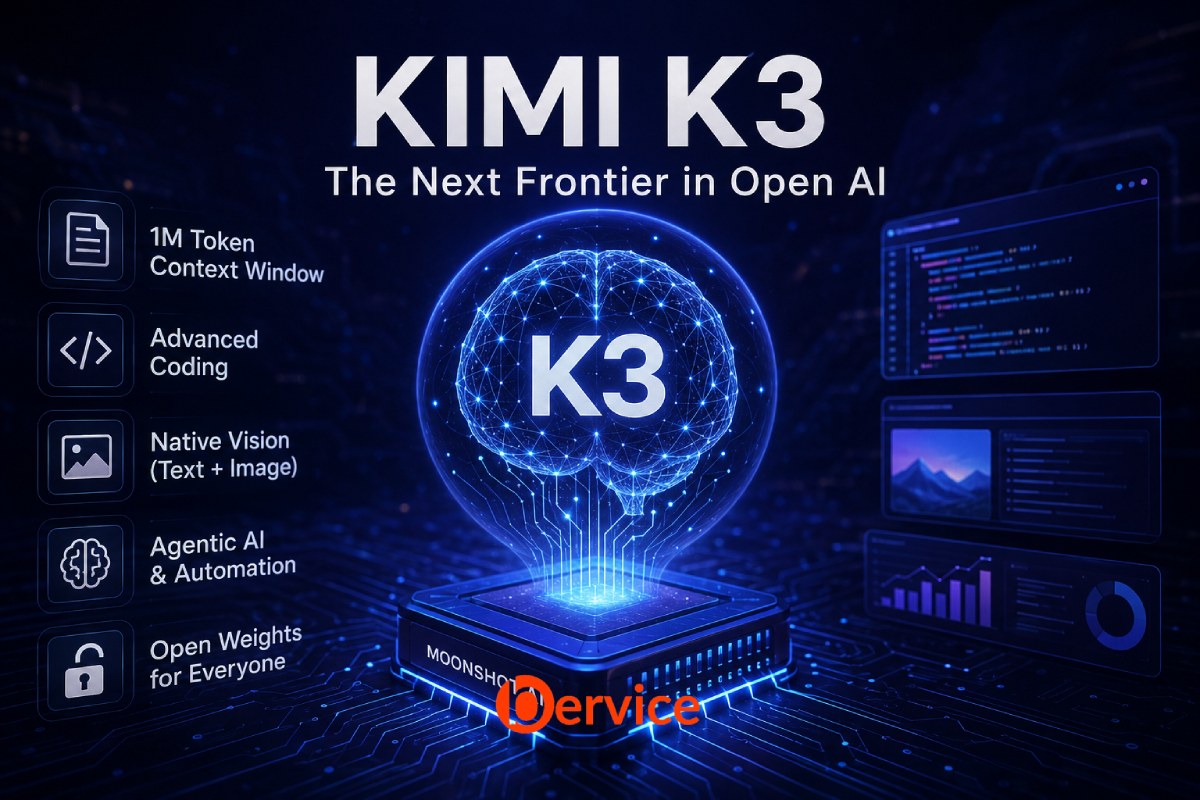
Kimi K3: Moonshot AI’s Open Frontier Model
Features, Advantages, Limitations, and Why It Matters Artificial Intelligence is entering a new era where openness, scalability, and long horizon reasoning are becoming as important as raw benchmark scores. While proprietary models from companies like OpenAI, Anthropic, and Google continue to dominate commercial AI, a new generation of open weight models is rapidly changing…
-

Beyond Bigger Models: How Small AI Models Can Collaborate to Become a Virtual Giant
Rethinking Artificial Intelligence Through Distributed Intelligence For the past few years, the AI industry has followed a simple assumption: if we want more intelligent systems, we must build larger models. Every new generation has increased parameter counts from billions to hundreds of billions, demanding enormous computational resources, expensive GPUs, and centralized infrastructure. But what…
-
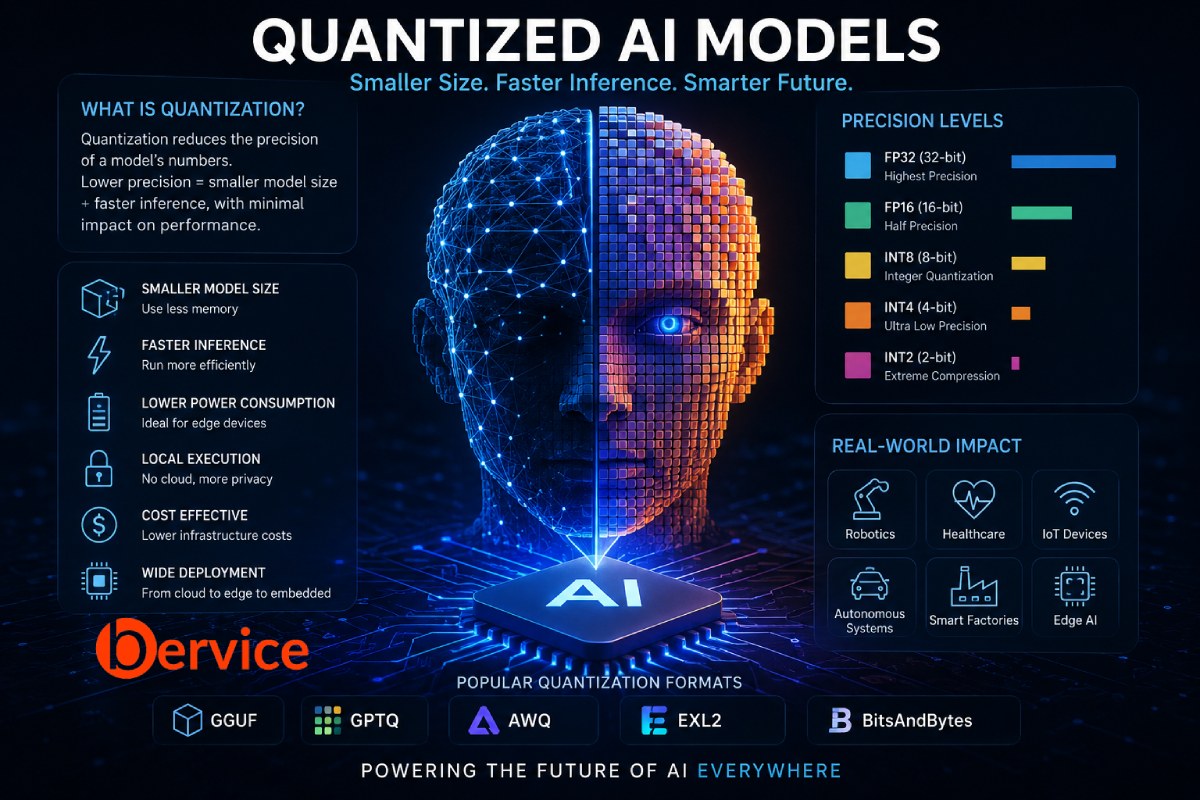
Quantized AI Models: How They Work, How They Are Built, and Why They Matter
Introduction Artificial Intelligence models have grown at an extraordinary pace. Modern Large Language Models (LLMs) often contain billions or even trillions of parameters, enabling remarkable reasoning, language understanding, programming, image generation, and scientific assistance. However, these capabilities come at a significant computational cost. Running a large AI model traditionally requires enormous amounts of GPU…