-
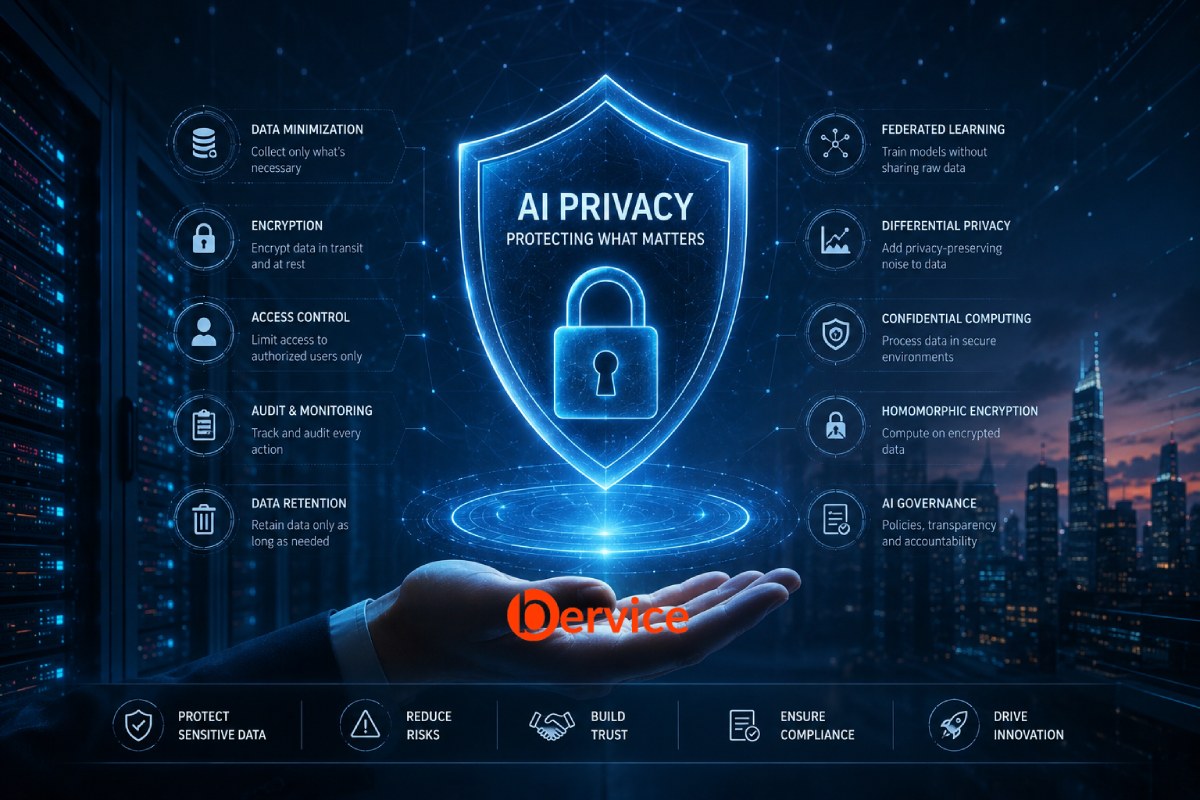
How Can We Truly Protect Information Privacy in the Age of Artificial Intelligence?
Security Is No Longer Enough. Privacy Is the New Competitive Advantage. Artificial Intelligence is transforming every industry. Organizations now use AI to write documents, analyze customer behavior, automate workflows, generate software, review legal contracts, and assist medical professionals. Every day, more sensitive information is being shared with intelligent systems. But a fundamental question remains:…
-
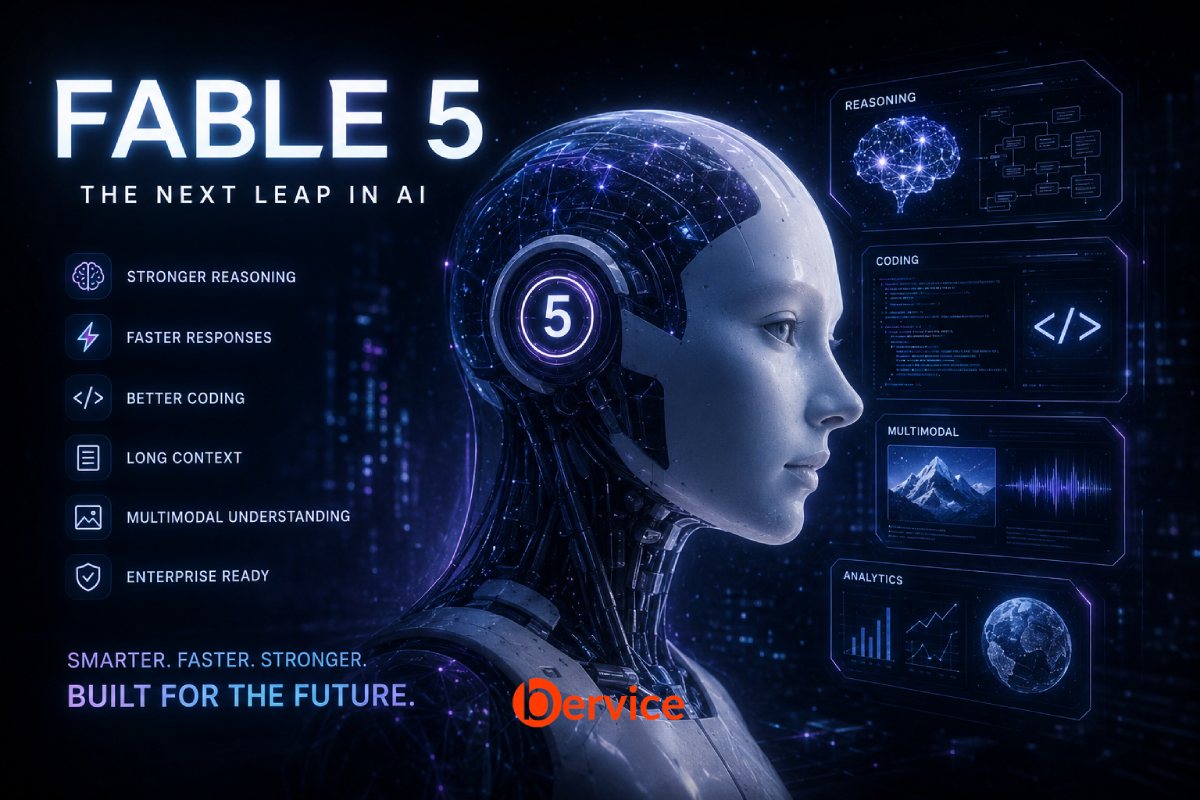
Fable 5: A Revolution in AI Models? Strengths, Weaknesses, and How It Compares to Today’s Leading AI Systems
Introduction Artificial Intelligence is evolving at an unprecedented pace. Every few months, a new model promises faster reasoning, deeper understanding, lower costs, and more human like interactions. The competition between AI companies has become one of the defining technology races of the decade. Among the newest entrants generating significant attention is Fable 5, a…
-
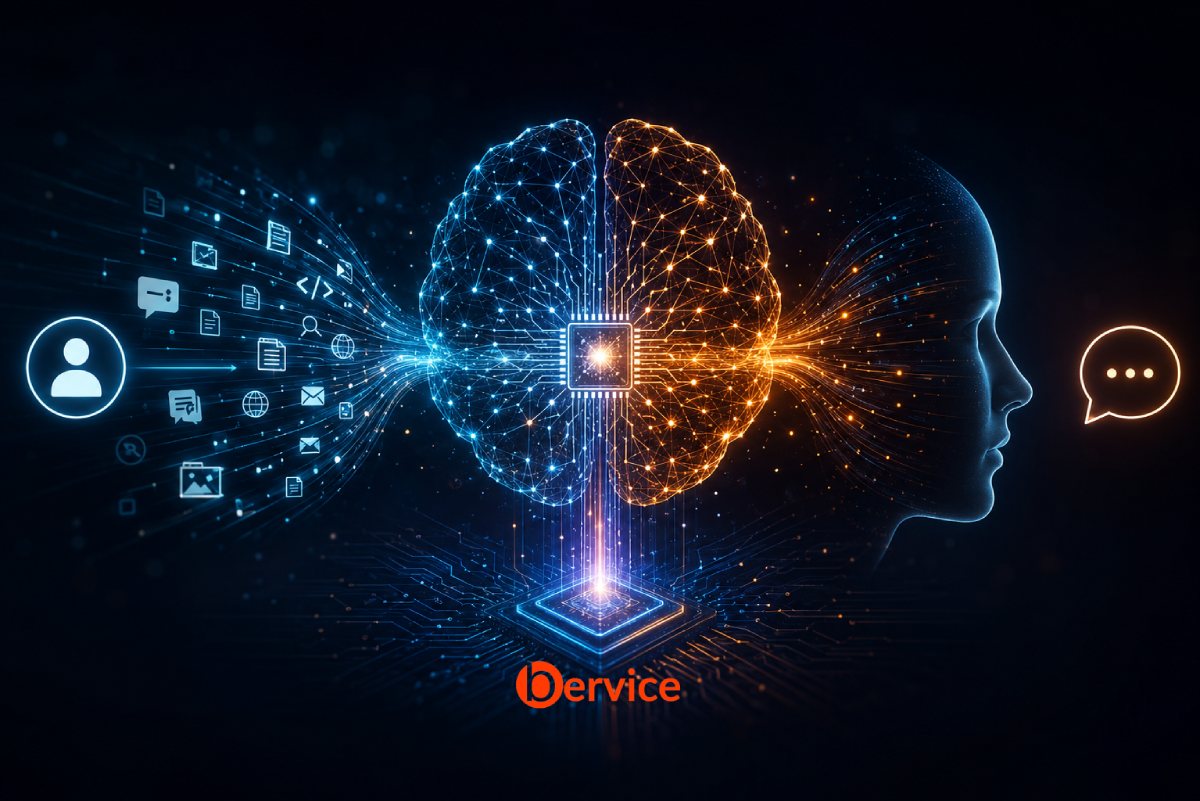
How Does AI Really Predict Our Answers?
A Journey into the Depths of Large Language Models Artificial Intelligence has become a part of everyday life. We ask questions, generate images, write code, translate languages, and even seek advice from AI systems. Yet one question remains fascinating: How does an AI actually know what to say next? The surprising truth is that…
-
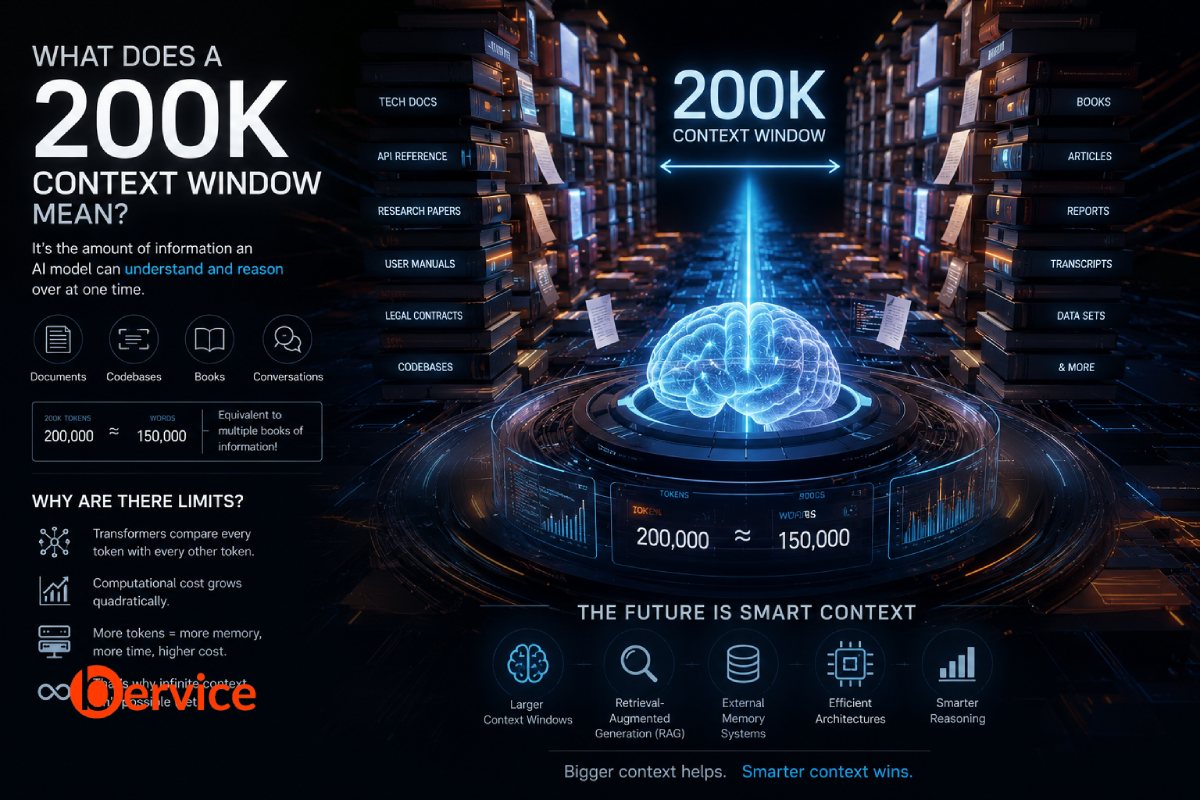
What Does a 200K Context Window Mean and Why Do Large Language Models Have Limits?
Introduction As artificial intelligence becomes more powerful, one specification appears frequently in discussions about modern Large Language Models (LLMs): the context window. You may hear statements such as: “This model supports 32K tokens.” “That model can process 128K tokens.” “The latest model offers a 200K context window.” But what do these numbers actually mean?…
-
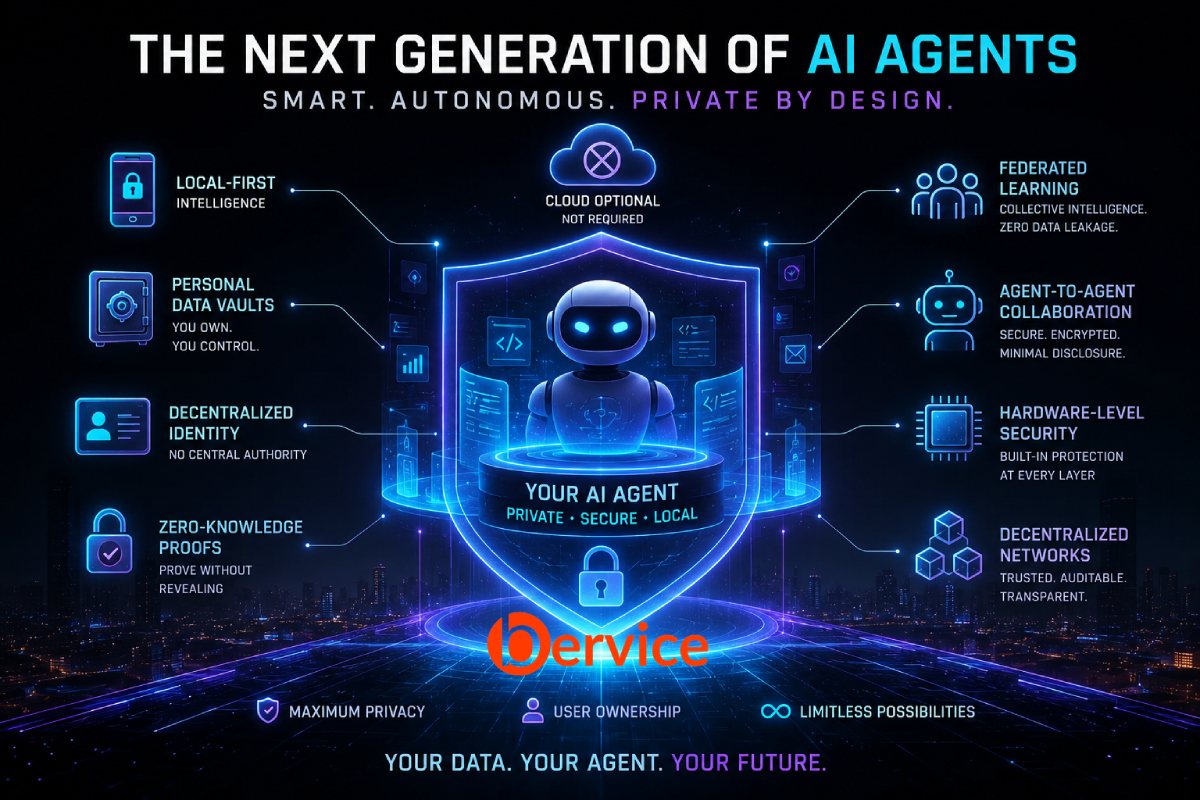
The Next Generation of AI Agents: Building a Future Where Privacy Comes First
Introduction Artificial Intelligence agents are rapidly evolving from simple assistants into autonomous digital entities capable of performing complex tasks on behalf of users. Today’s agents can schedule meetings, manage emails, conduct research, analyze data, and interact with various online services. However, as their capabilities grow, so do concerns about privacy, surveillance, data ownership, and…