-
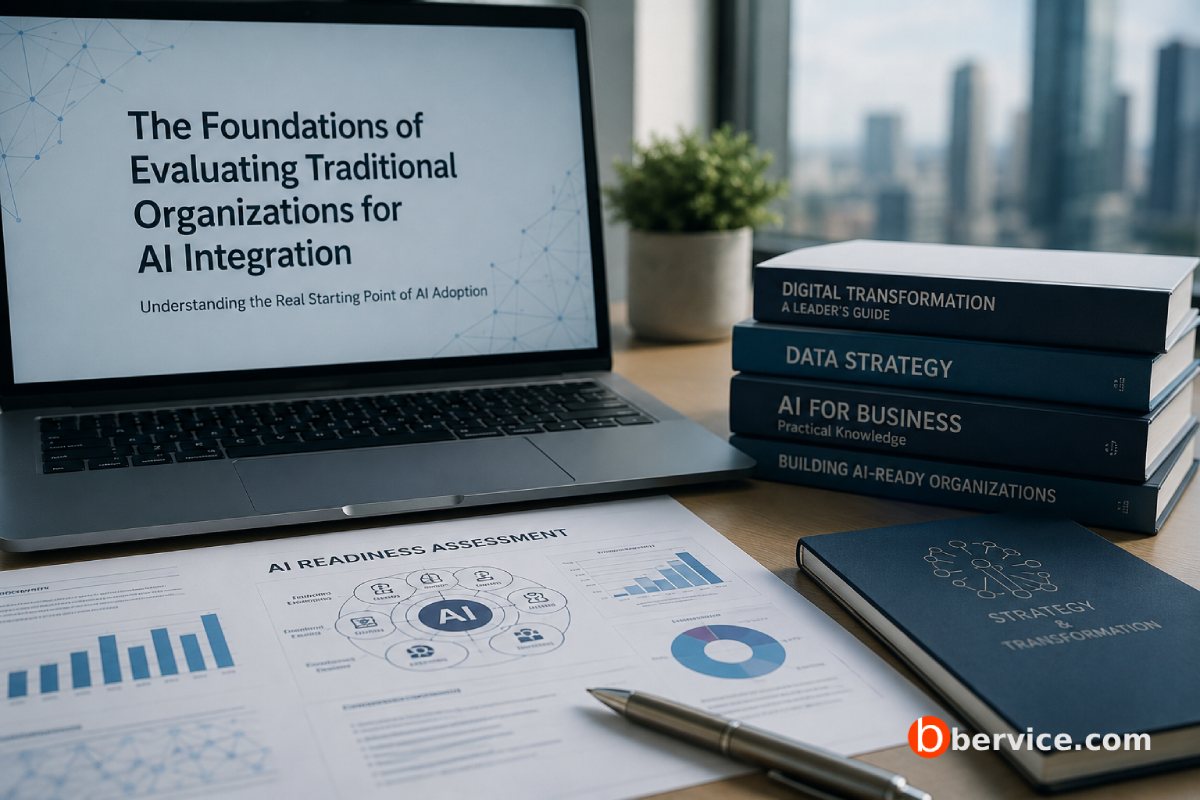
The Foundations of Evaluating Traditional Organizations for AI Integration
Understanding the Real Starting Point of AI Adoption Artificial Intelligence is no longer limited to technology companies or digital startups. Traditional organizations across manufacturing, logistics, retail, healthcare, education, agriculture, banking, construction, and government sectors are increasingly exploring how AI can improve efficiency, reduce operational costs, enhance decision making, and create new business opportunities. However,…
-
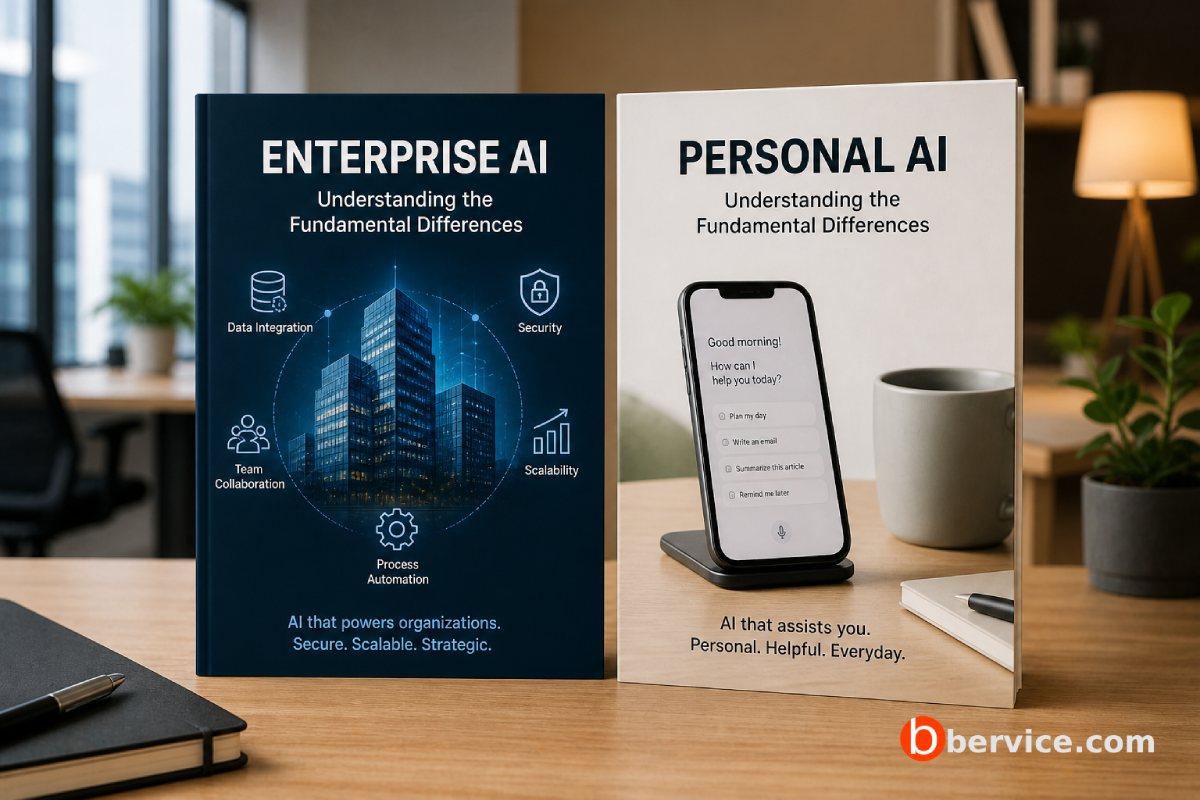
Enterprise AI vs Personal AI
Understanding the Fundamental Differences Introduction Artificial Intelligence is no longer a single category of technology. It has evolved into two distinct paradigms: Enterprise AI and Personal AI. While both rely on similar underlying advances in machine learning and large language models, their purpose, architecture, and impact differ significantly. Understanding this distinction is essential for…
-
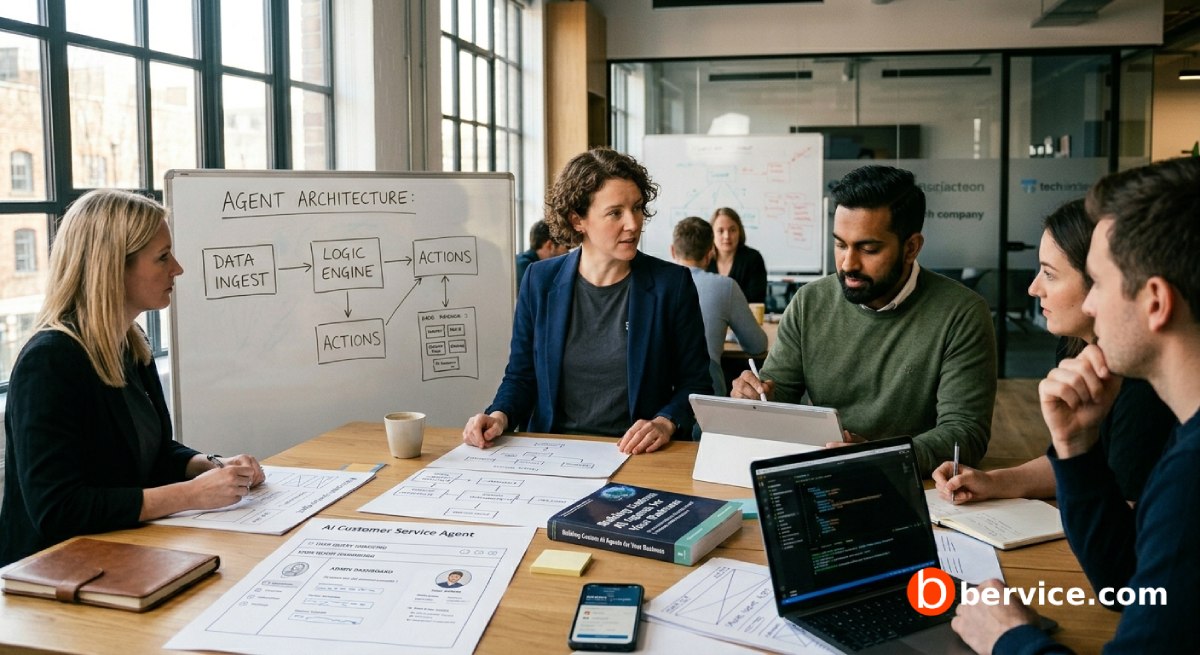
Building Custom AI Agents for Your Business
A Practical Guide to Designing Intelligent, Purpose-Built Systems 1. Introduction: Why Custom AI Agents Matter Artificial Intelligence is no longer just about general-purpose models. The real transformation in business comes from custom AI agents systems designed to perform specific tasks within a defined context. Unlike generic AI tools, these agents understand your workflows, data,…
-
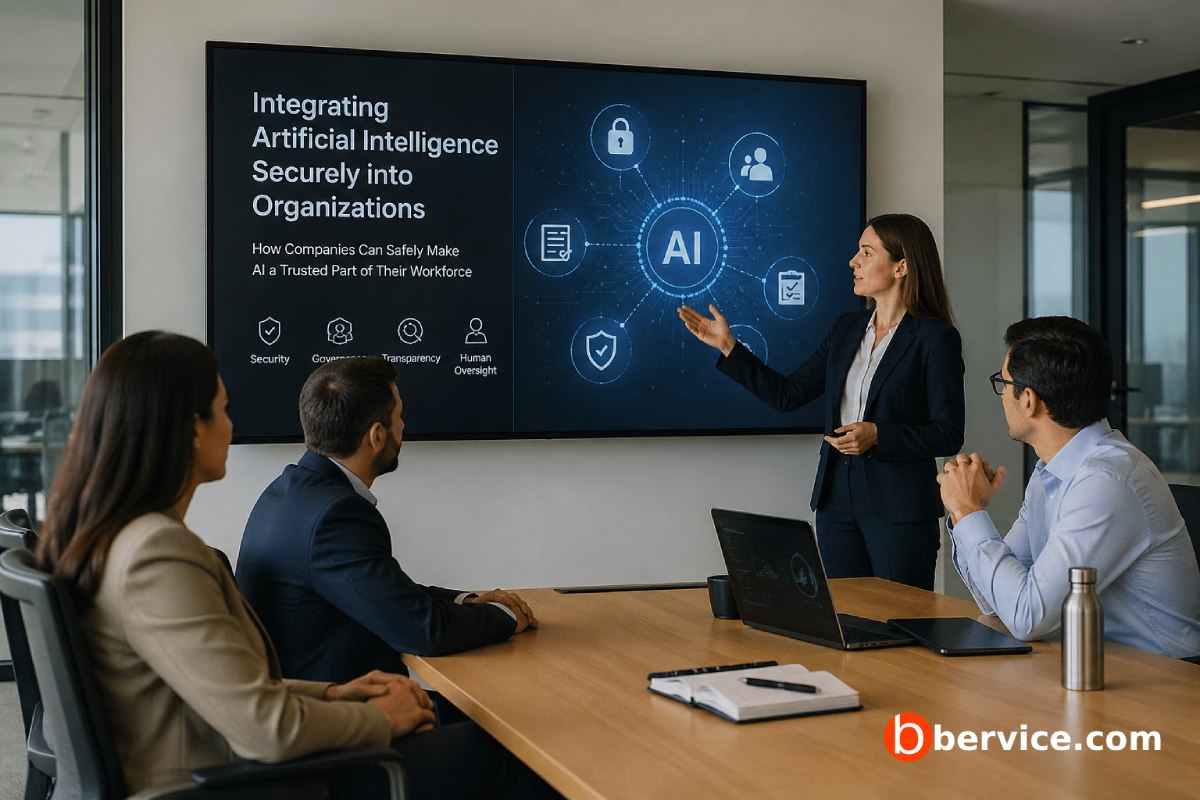
Integrating Artificial Intelligence Securely into Organizations
How Companies Can Safely Make AI a Trusted Part of Their Workforce 1. Introduction: AI as a Corporate Citizen Artificial Intelligence is no longer just a tool, it is becoming an operational layer inside modern organizations. From automating workflows to supporting executive decision-making, AI is increasingly embedded in daily business processes. However, integrating AI…
-

The Rise of Local AI Executives: Automating Leadership Without Sacrificing Privacy
Introduction: A Shift in How Decisions Are Made For decades, the role of founders, CEOs, and senior executives has revolved around decision-making, coordination, and strategic thinking. These responsibilities require constant attention, deep context awareness, and access to sensitive data. Traditionally, software has supported these roles, but not replaced them. However, a new paradigm is…