-
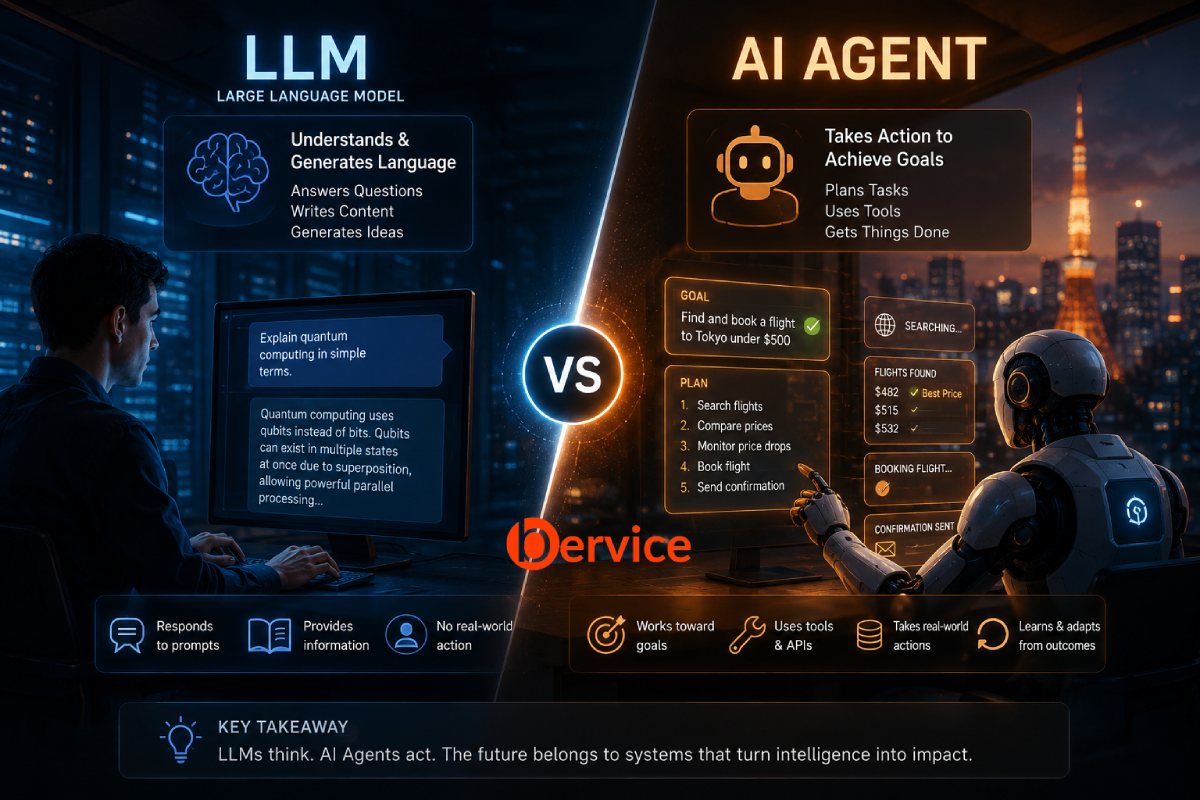
What Is the Difference Between an LLM and an AI Agent?
Understanding the Next Evolution of Artificial Intelligence Artificial Intelligence is rapidly transforming the way humans interact with technology. As AI systems become more capable, two terms are increasingly appearing in discussions across technology, business, and academia: Large Language Models (LLMs) and AI Agents. Although many people use these terms interchangeably, they represent fundamentally different…
-
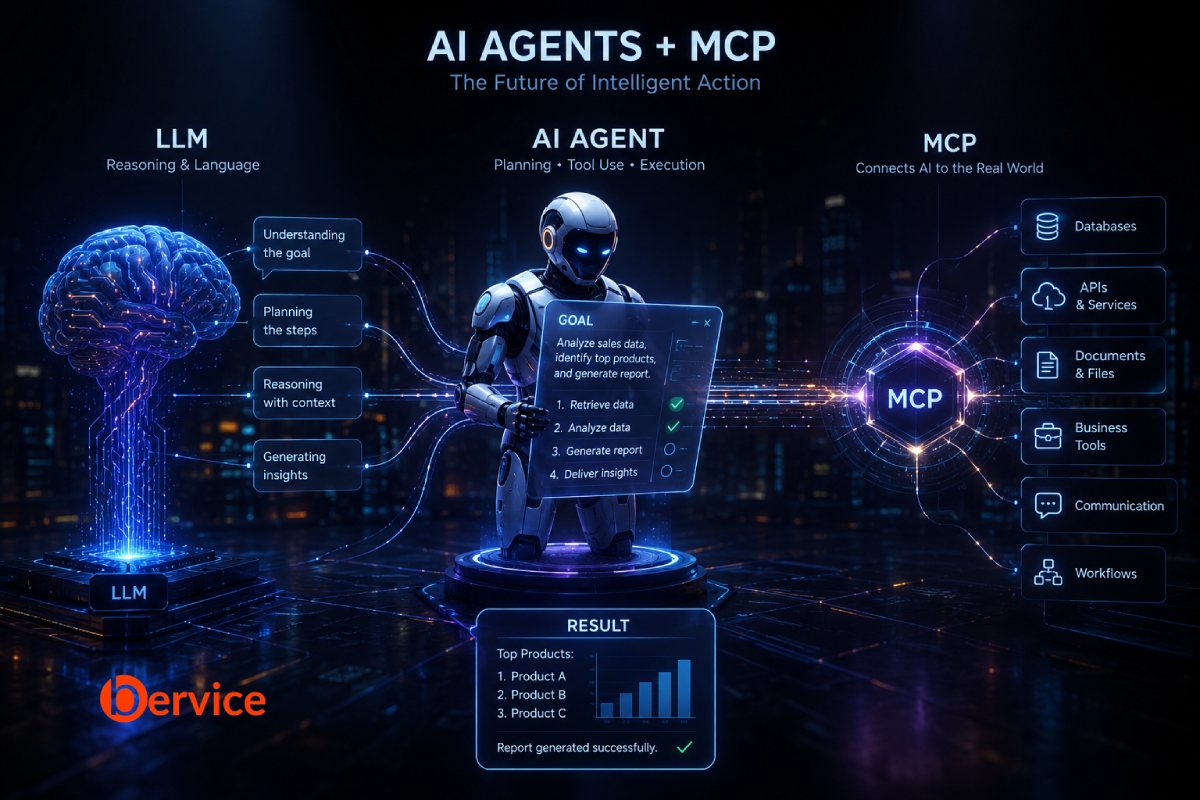
How AI Agents Use MCPs to Deliver Stronger Results Than Standalone LLMs
Introduction Large Language Models (LLMs) have transformed the way humans interact with technology. They can write articles, generate code, answer questions, summarize documents, and assist with countless tasks. However, despite their impressive capabilities, traditional LLMs have an important limitation: they operate primarily on the information available within their training data and immediate context. As…
-
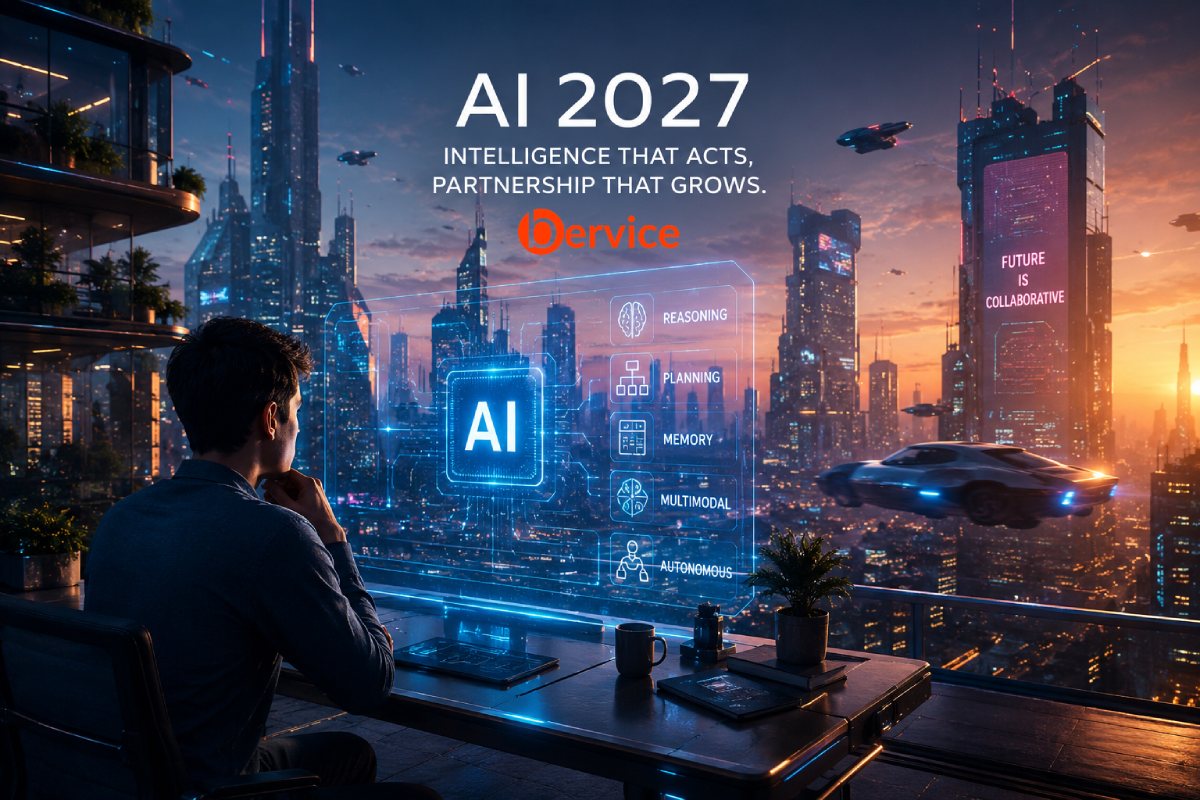
The Future of Large Language Models: What We May Witness by 2027
Introduction Large Language Models (LLMs) have evolved from impressive text generators into foundational digital infrastructure. In just a few years, they have transformed software development, education, research, customer support, content creation, and business operations. Yet today’s models are likely only an early chapter in a much larger story. As we move toward 2027, the…
-

NEO: How a Humanoid Robot Learns with AI to Help Humans
1. The Beginning of Home Humanoid Robots For many years, humanoid robots were mostly seen in science fiction, research labs, or technology exhibitions. They looked impressive, but they were not ready to live with ordinary people or help inside real homes. Today, that is beginning to change. One of the most talked-about examples is…
-
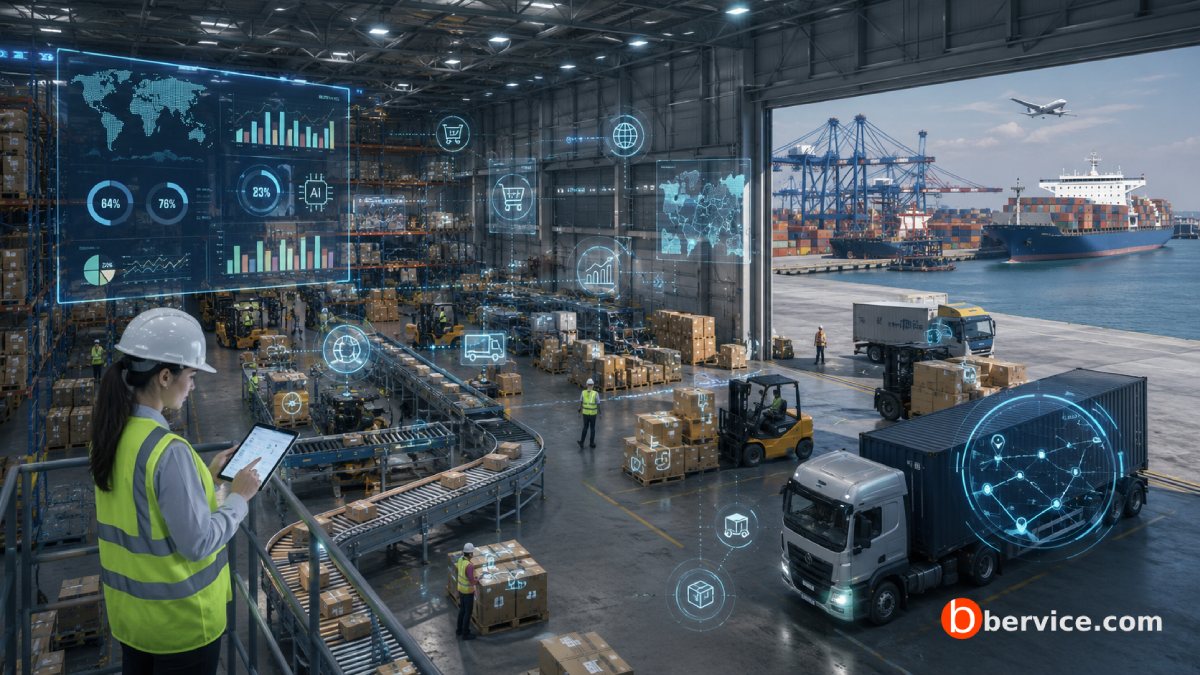
How Supply Chain Industries Can Use Artificial Intelligence
1. Introduction: Why Supply Chains Need AI Supply chains are no longer simple systems of moving products from one place to another. They are complex networks of suppliers, factories, warehouses, logistics providers, distributors, retailers, and customers. Every small delay, price change, shortage, or demand shift can affect the entire chain. Artificial Intelligence can help…