-

How Artificial Intelligence Accelerates Teamwork Task Management
Introduction Modern organizations face an increasingly complex challenge: managing teams, projects, deadlines, and workflows efficiently. As businesses grow and remote work becomes more common, coordinating tasks across multiple team members can quickly become overwhelming. Traditional project management methods often rely heavily on manual planning, status updates, and human oversight, which can lead to delays,…
-
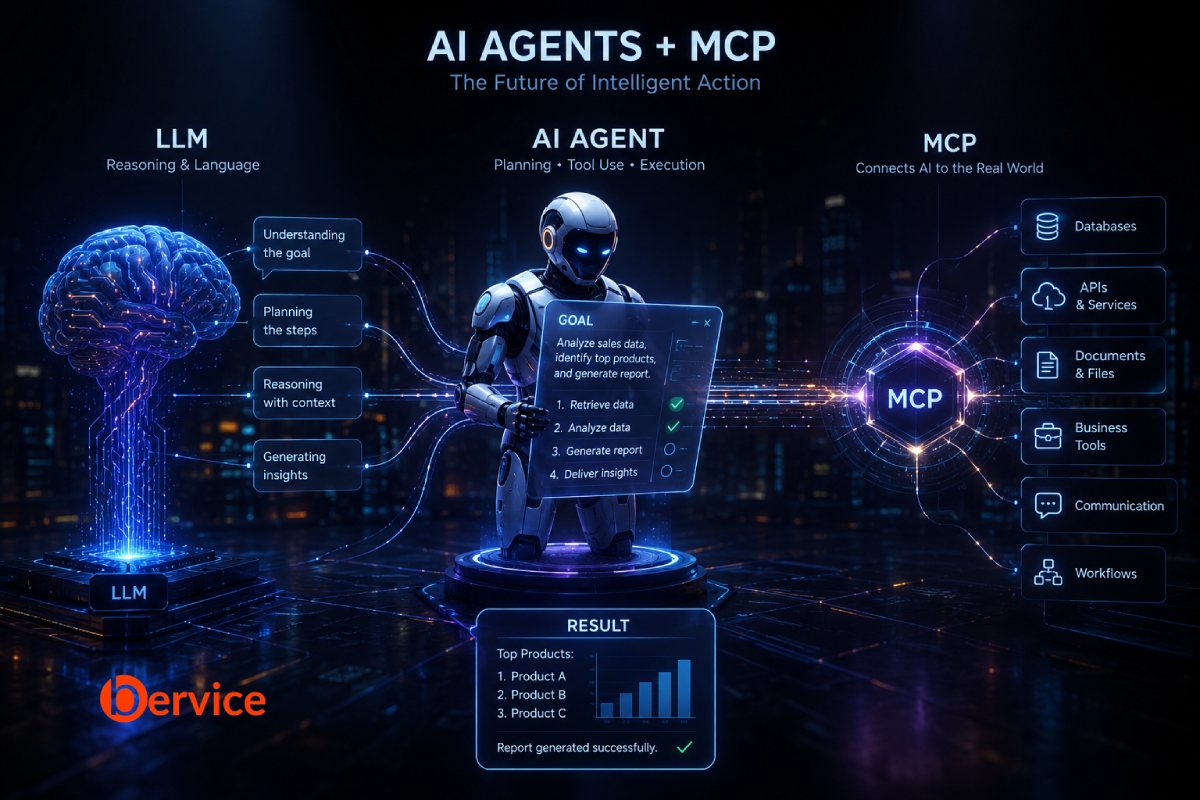
How AI Agents Use MCPs to Deliver Stronger Results Than Standalone LLMs
Introduction Large Language Models (LLMs) have transformed the way humans interact with technology. They can write articles, generate code, answer questions, summarize documents, and assist with countless tasks. However, despite their impressive capabilities, traditional LLMs have an important limitation: they operate primarily on the information available within their training data and immediate context. As…
-

The Future of Large Language Models: What We May Witness by 2027
Introduction Large Language Models (LLMs) have evolved from impressive text generators into foundational digital infrastructure. In just a few years, they have transformed software development, education, research, customer support, content creation, and business operations. Yet today’s models are likely only an early chapter in a much larger story. As we move toward 2027, the…
-
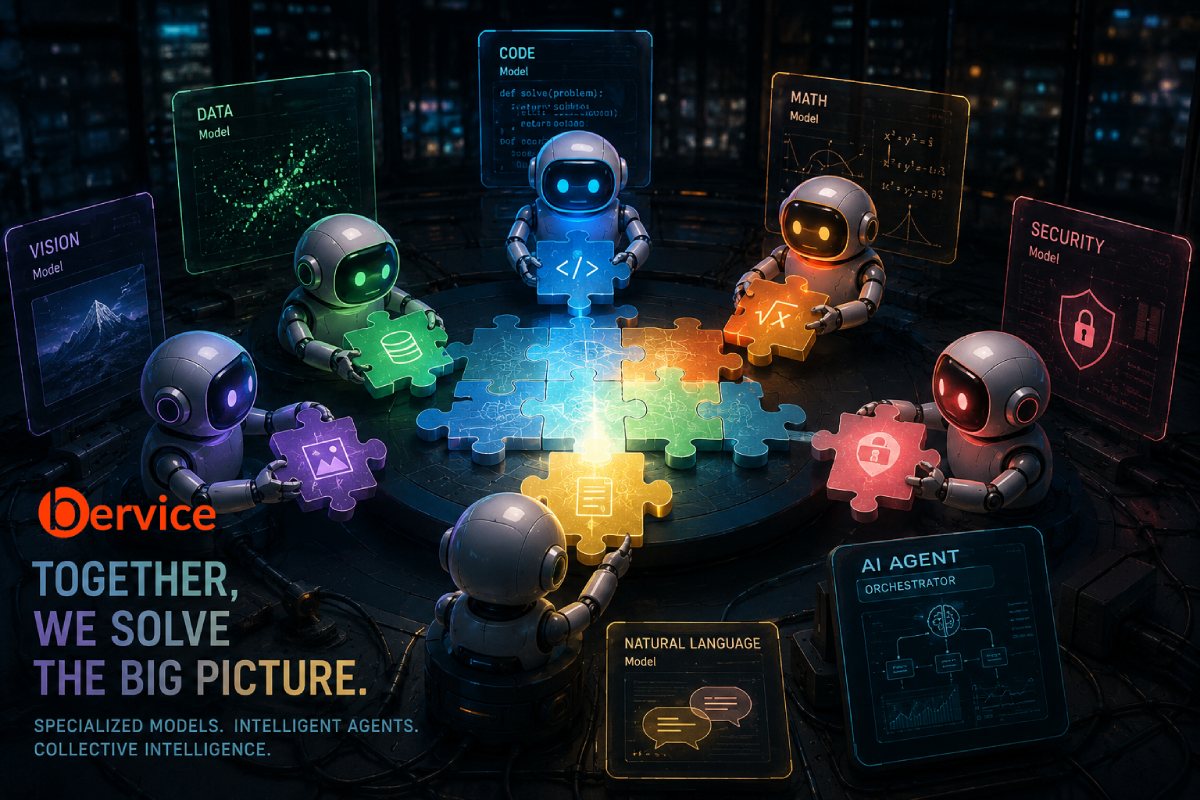
How Local AI Models Can Work Together Like Puzzle Pieces Through Agent Systems
Introduction The future of artificial intelligence is not necessarily a world dominated by a single massive model. Instead, a more scalable, efficient, and intelligent future may emerge from thousands of specialized AI models working together like puzzle pieces. This concept is becoming increasingly important as organizations seek privacy, lower costs, faster performance, and greater…
-

Local AI as a Privacy Shield: Why Running Models Offline Matters More Than Ever
In recent years, artificial intelligence has become deeply embedded in business operations, personal productivity, and decision-making systems. However, this rapid adoption has introduced a critical tension: the more powerful AI systems become, the more data they require. Most mainstream AI platforms rely on cloud-based infrastructures that continuously collect, process, and learn from user inputs.…