-
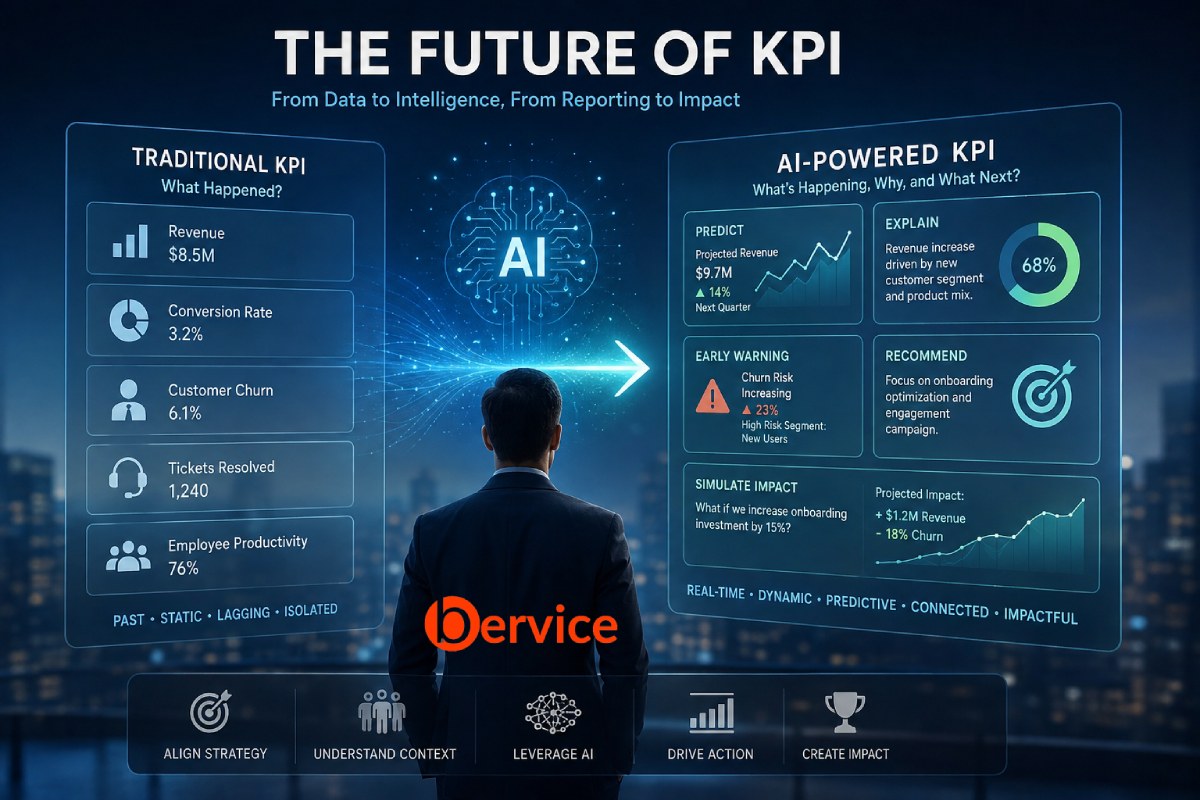
The New Shape of KPIs in the Age of AI
From Measuring Performance to Understanding Impact For decades, organizations have relied on Key Performance Indicators, or KPIs, to answer a seemingly simple question: Are we performing well? Revenue growth, conversion rates, customer acquisition costs, employee productivity, churn, delivery times, sales quotas, and countless other metrics have become the language of modern management. But there…
-

How AI Can Improve Human Processes in Collaborative Execution
The Next Competitive Advantage Is Not Better Individuals. It Is Better Collaboration. Artificial intelligence is often discussed as a tool that makes individuals more productive. We celebrate AI because it writes faster, analyzes data instantly, generates software, designs graphics, and automates repetitive work. Yet the greatest transformation AI will create may not be individual…
-
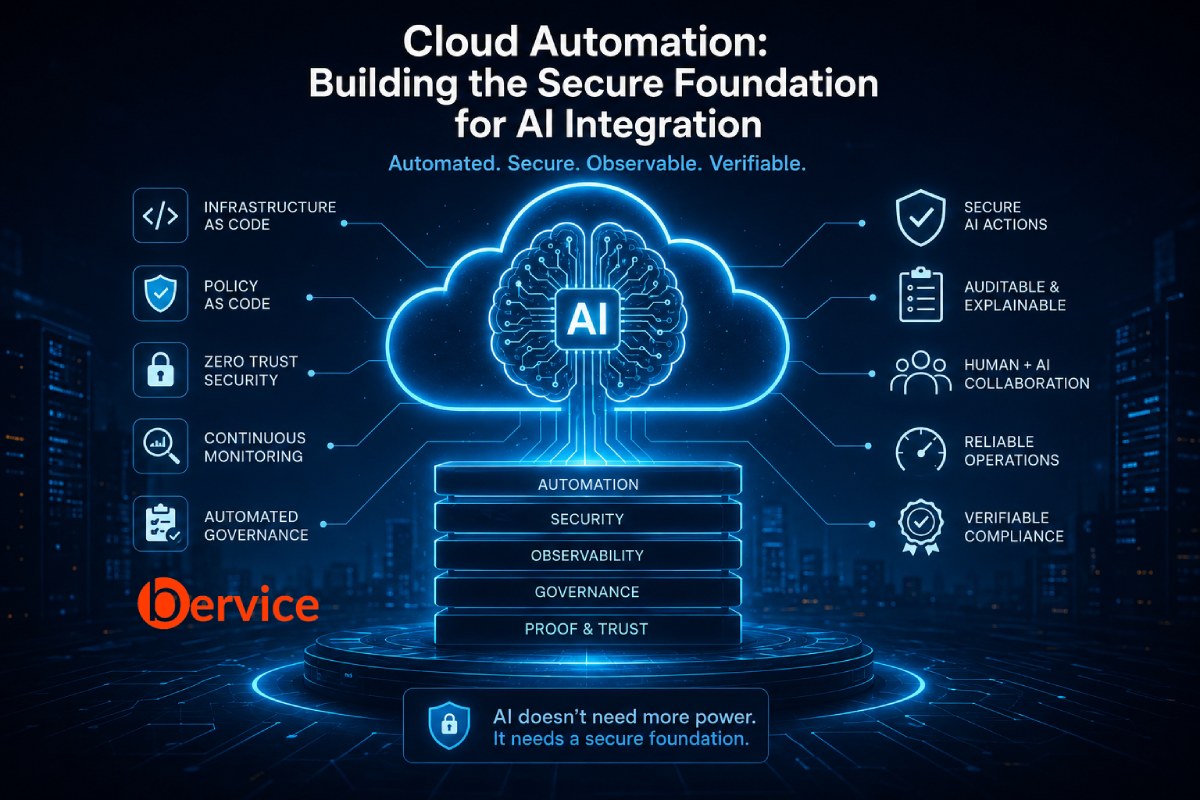
Cloud Automation: Building the Secure Foundation for AI Integration
Artificial Intelligence Doesn’t Fail Because of Intelligence. It Fails Because of Infrastructure. Artificial Intelligence is entering every layer of modern business. Organizations are embedding AI into customer support, software development, cybersecurity, finance, healthcare, manufacturing, and cloud operations. Yet despite massive investments, many AI initiatives never reach production or fail to deliver long term value.…
-
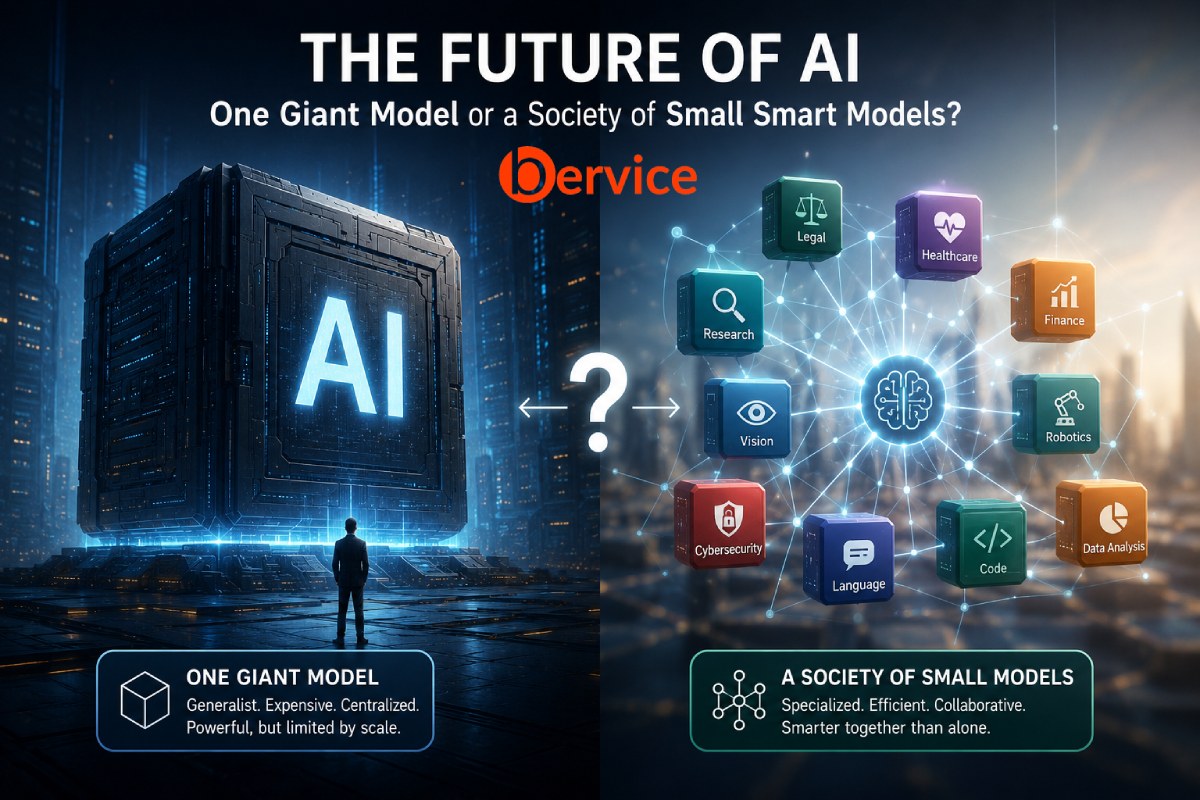
The Next Evolution of Artificial Intelligence: One Giant Model or a Society of Small Smart Models?
Introduction Artificial Intelligence is advancing faster than any technology in modern history. Every few months, larger and more capable foundation models emerge, equipped with trillions of parameters, broader knowledge, and increasingly sophisticated reasoning abilities. But a critical question is beginning to reshape the future of AI: Will intelligence continue to evolve by building one…
-

Privacy Is the Next Battlefield: How to Protect Your Personal Information Before the AI Industrial Revolution Changes Everything
Artificial Intelligence is transforming the world at an unprecedented pace. Every day, AI systems become better at understanding language, recognizing faces, predicting behavior, generating content, and making decisions that once required human intelligence. This revolution promises incredible advances in healthcare, education, transportation, science, and business. But behind this progress lies an uncomfortable reality. The…