-
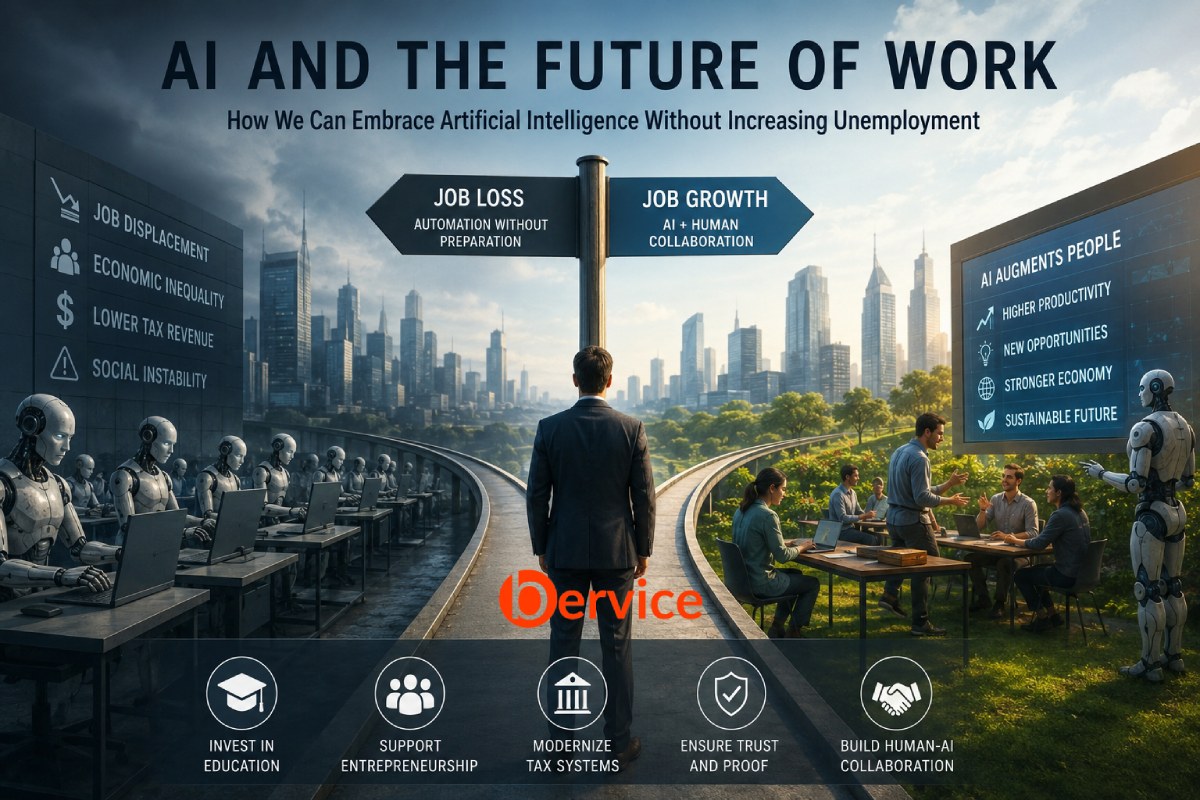
AI, Jobs, and Governments: Can We Build an AI Economy Without Mass Unemployment?
Artificial Intelligence is no longer a future technology. It is rapidly becoming part of everyday business operations, government services, healthcare, education, logistics, software development, manufacturing, and customer support. This transformation promises extraordinary gains in productivity. Yet it also raises one of the biggest economic questions of the century: Can society embrace AI without creating…
-
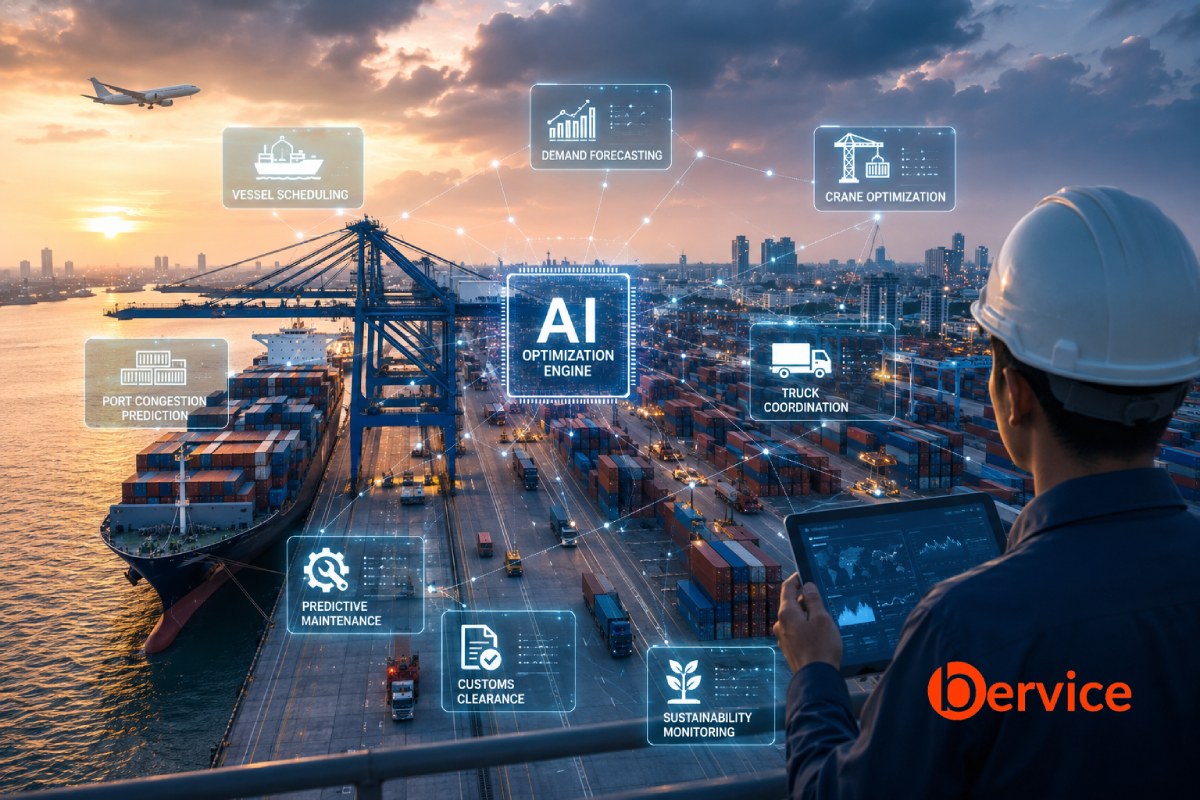
AI and the Bottlenecks of Global Ports: How Artificial Intelligence Is Reinventing the Supply Chain
Introduction For decades, global trade has relied on an intricate network of ports, shipping companies, warehouses, railways, trucking fleets, and distribution centers. More than 80% of international trade by volume moves through maritime shipping, making ports one of the most critical infrastructures in the global economy. Yet despite advances in automation, many ports still…
-
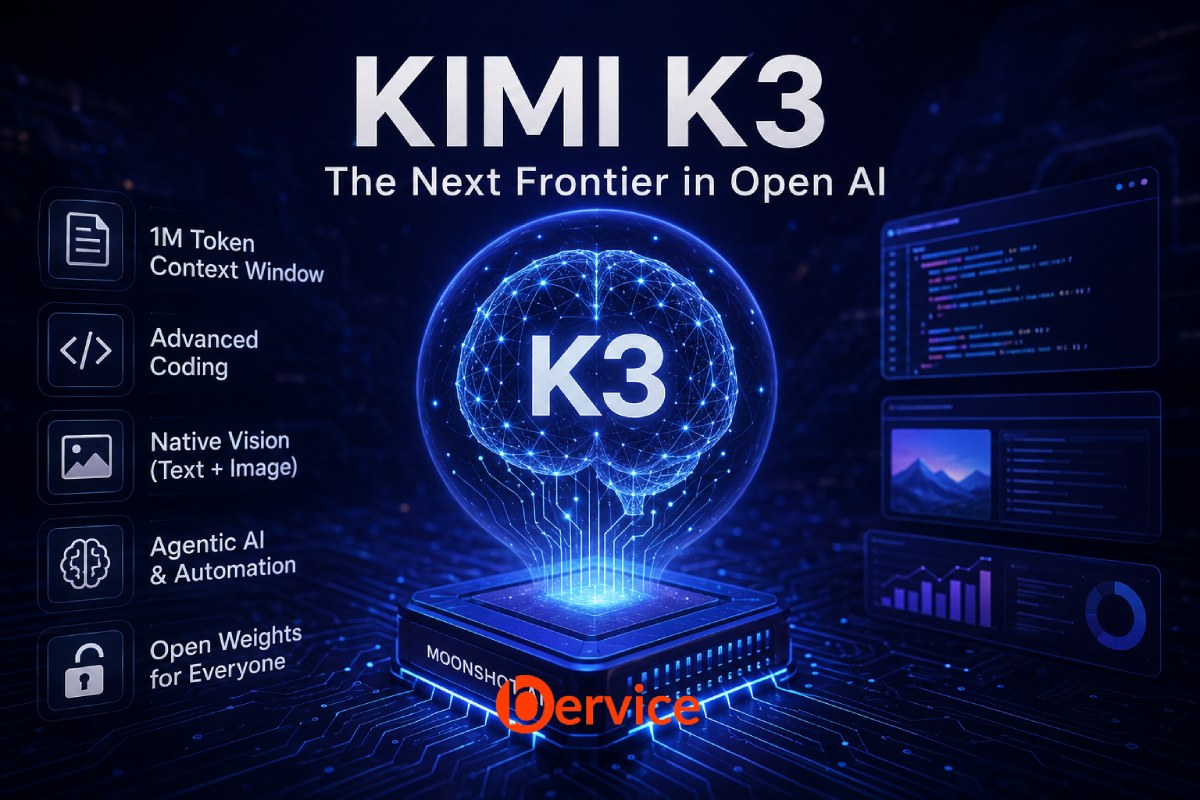
Kimi K3: Moonshot AI’s Open Frontier Model
Features, Advantages, Limitations, and Why It Matters Artificial Intelligence is entering a new era where openness, scalability, and long horizon reasoning are becoming as important as raw benchmark scores. While proprietary models from companies like OpenAI, Anthropic, and Google continue to dominate commercial AI, a new generation of open weight models is rapidly changing…
-
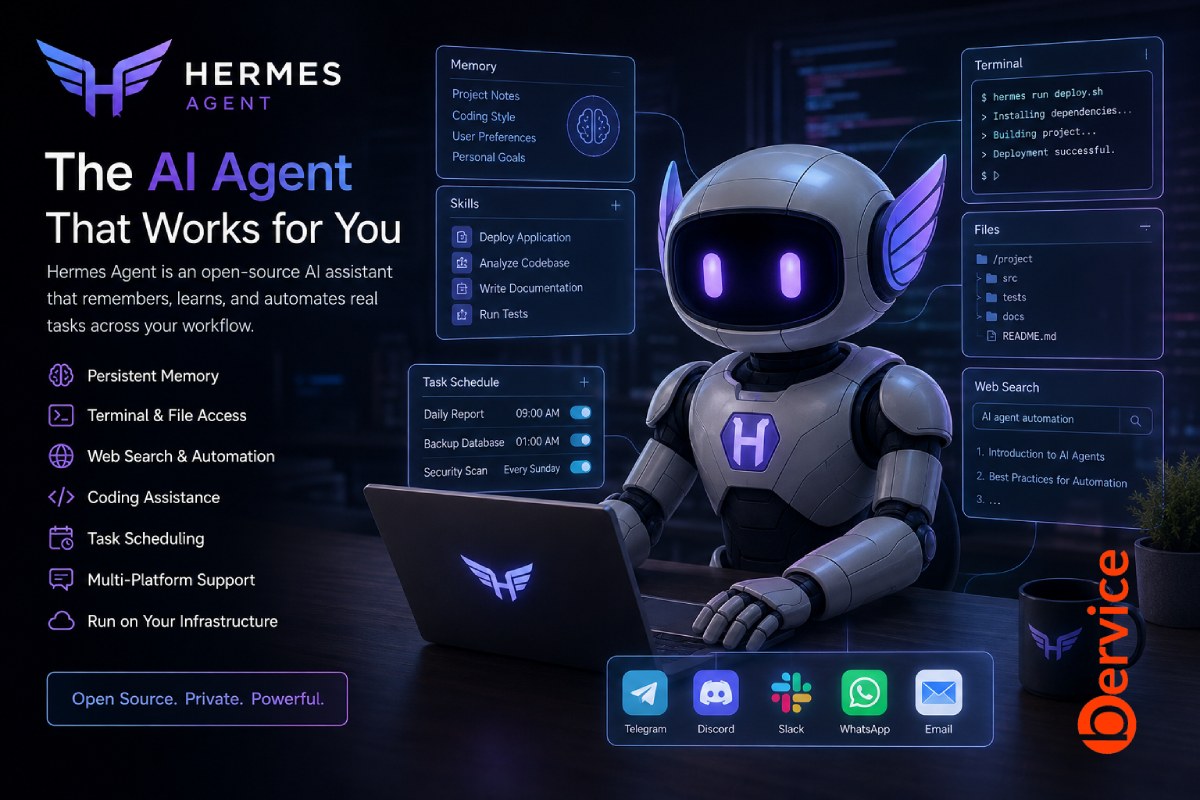
Hermes Agent: The Open Source AI Agent That Learns, Remembers, and Works for You
Introduction Artificial Intelligence is rapidly evolving beyond simple chatbots. While conversational AI has become incredibly capable at answering questions, writing content, and generating code, modern businesses increasingly require AI systems that can actually perform work rather than merely discuss it. This new generation of software is known as AI Agents. Among the most promising…
-
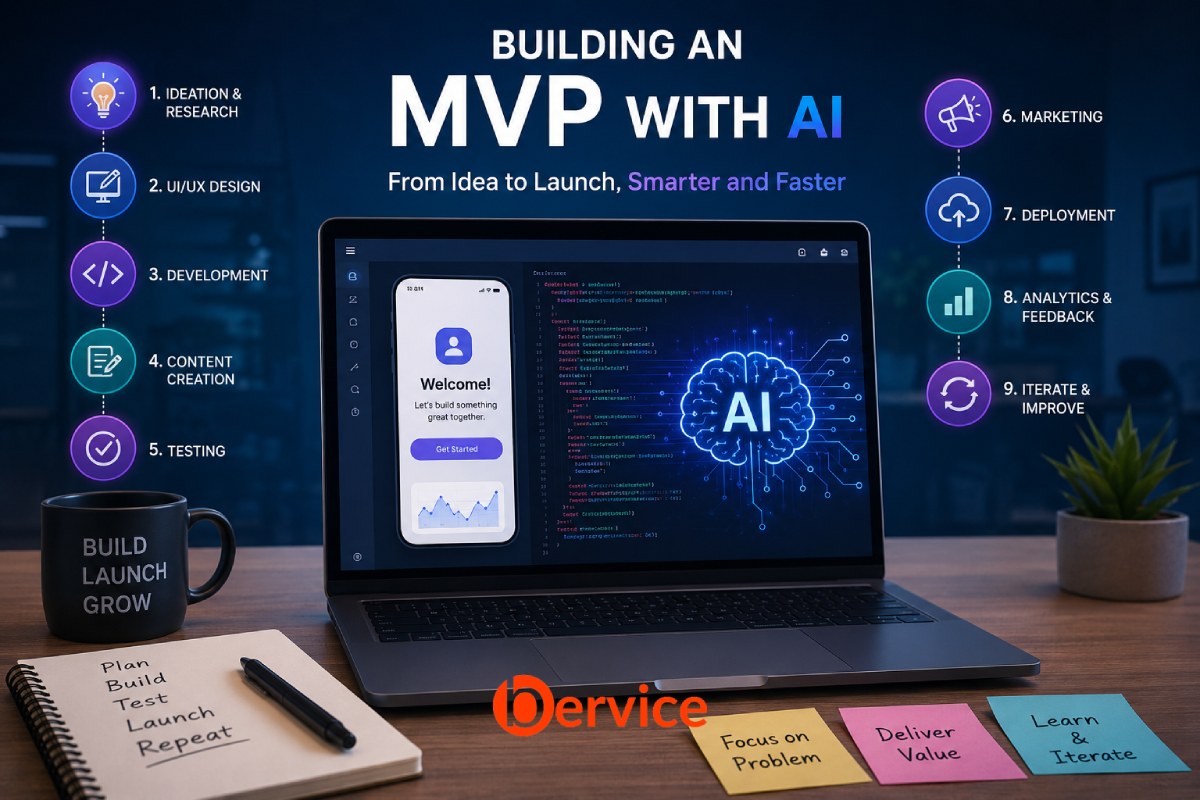
Building an MVP with AI: A Complete Guide from Idea to Launch
In the past, building a Minimum Viable Product (MVP) required a team of designers, frontend developers, backend engineers, marketers, QA specialists, and content creators. Even a simple product could take months to release and require a significant budget before receiving a single piece of customer feedback. That reality is changing. Artificial Intelligence is transforming…