-
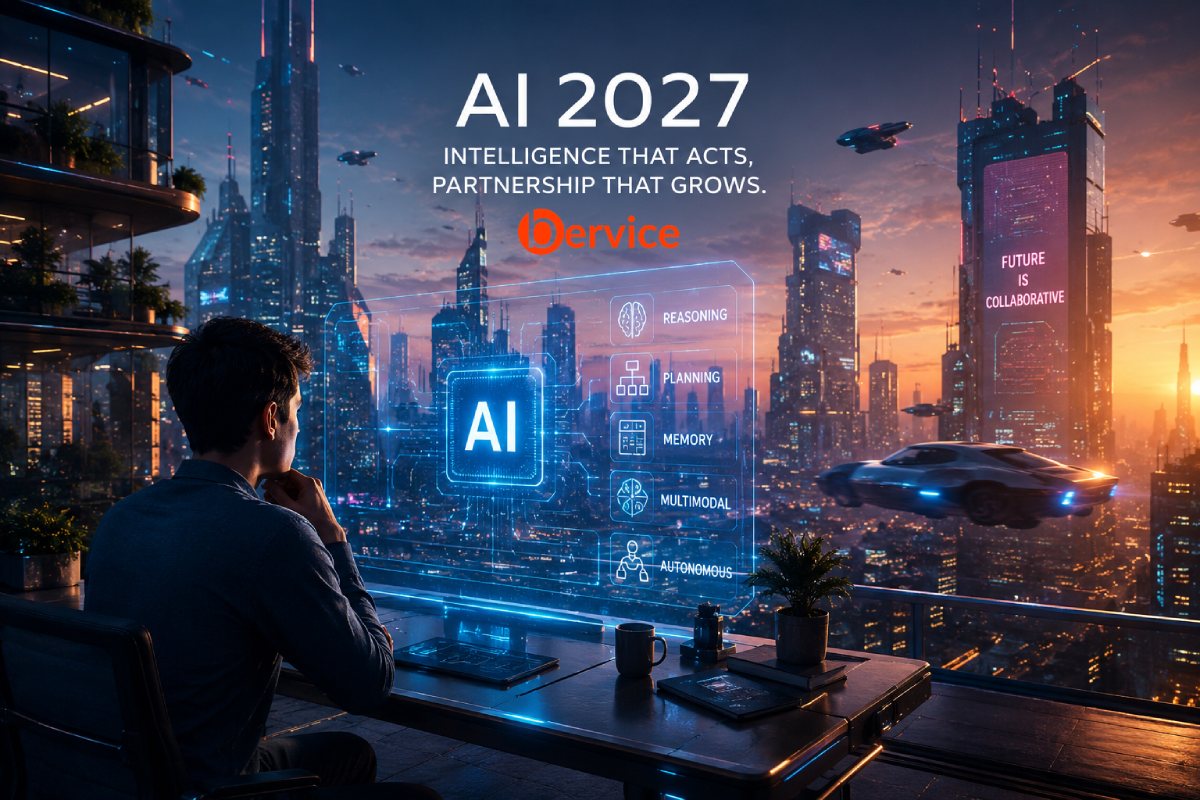
The Future of Large Language Models: What We May Witness by 2027
Introduction Large Language Models (LLMs) have evolved from impressive text generators into foundational digital infrastructure. In just a few years, they have transformed software development, education, research, customer support, content creation, and business operations. Yet today’s models are likely only an early chapter in a much larger story. As we move toward 2027, the…
-
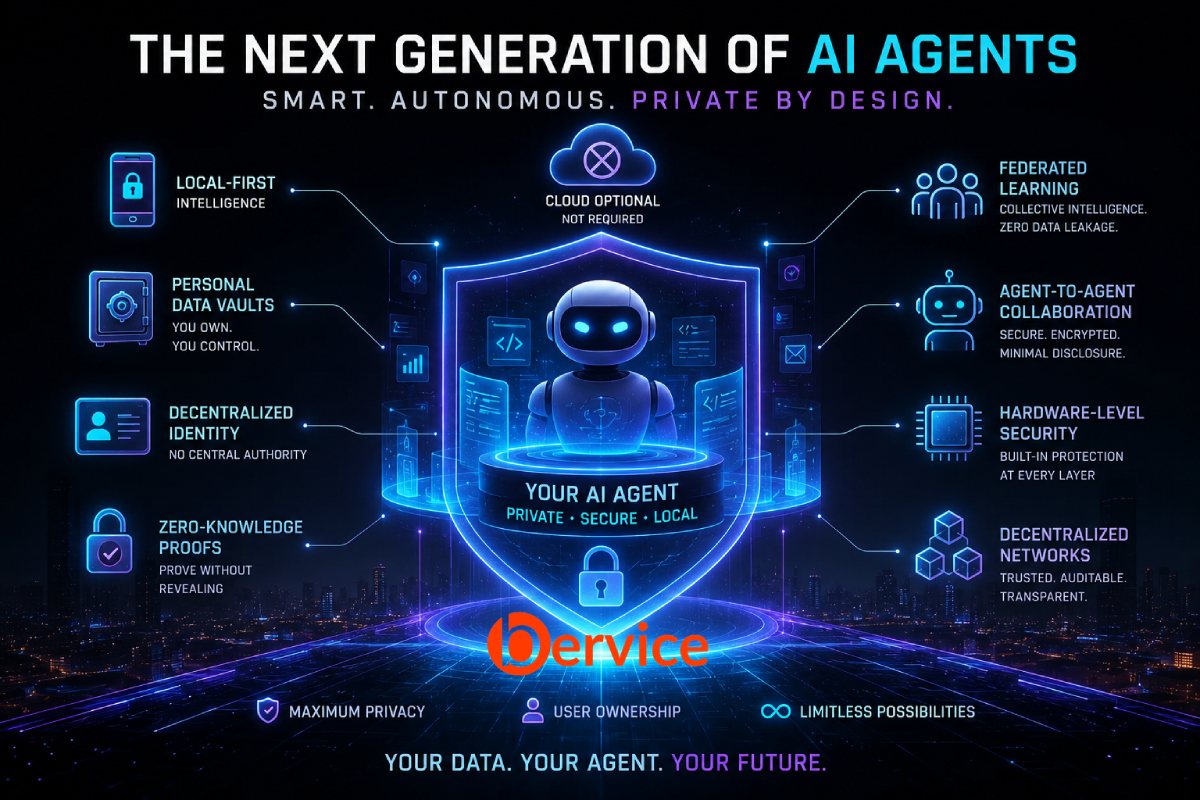
The Next Generation of AI Agents: Building a Future Where Privacy Comes First
Introduction Artificial Intelligence agents are rapidly evolving from simple assistants into autonomous digital entities capable of performing complex tasks on behalf of users. Today’s agents can schedule meetings, manage emails, conduct research, analyze data, and interact with various online services. However, as their capabilities grow, so do concerns about privacy, surveillance, data ownership, and…
-
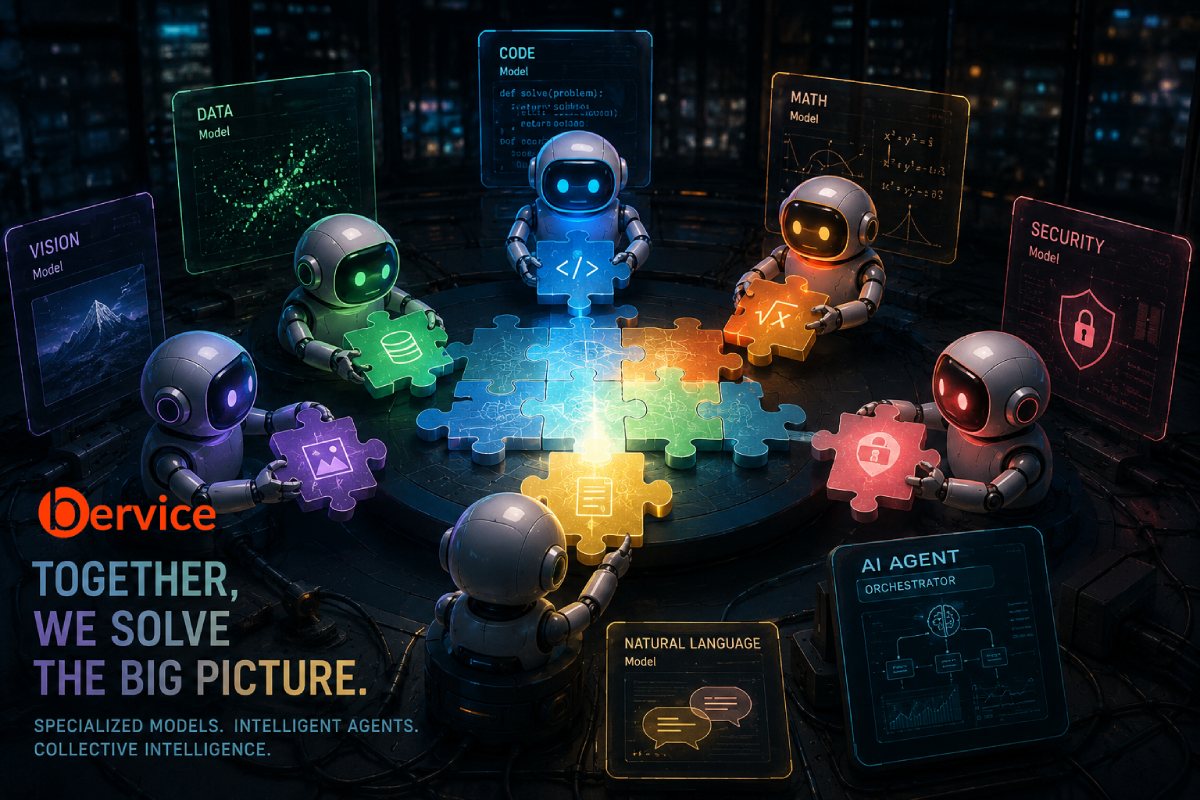
How Local AI Models Can Work Together Like Puzzle Pieces Through Agent Systems
Introduction The future of artificial intelligence is not necessarily a world dominated by a single massive model. Instead, a more scalable, efficient, and intelligent future may emerge from thousands of specialized AI models working together like puzzle pieces. This concept is becoming increasingly important as organizations seek privacy, lower costs, faster performance, and greater…
-
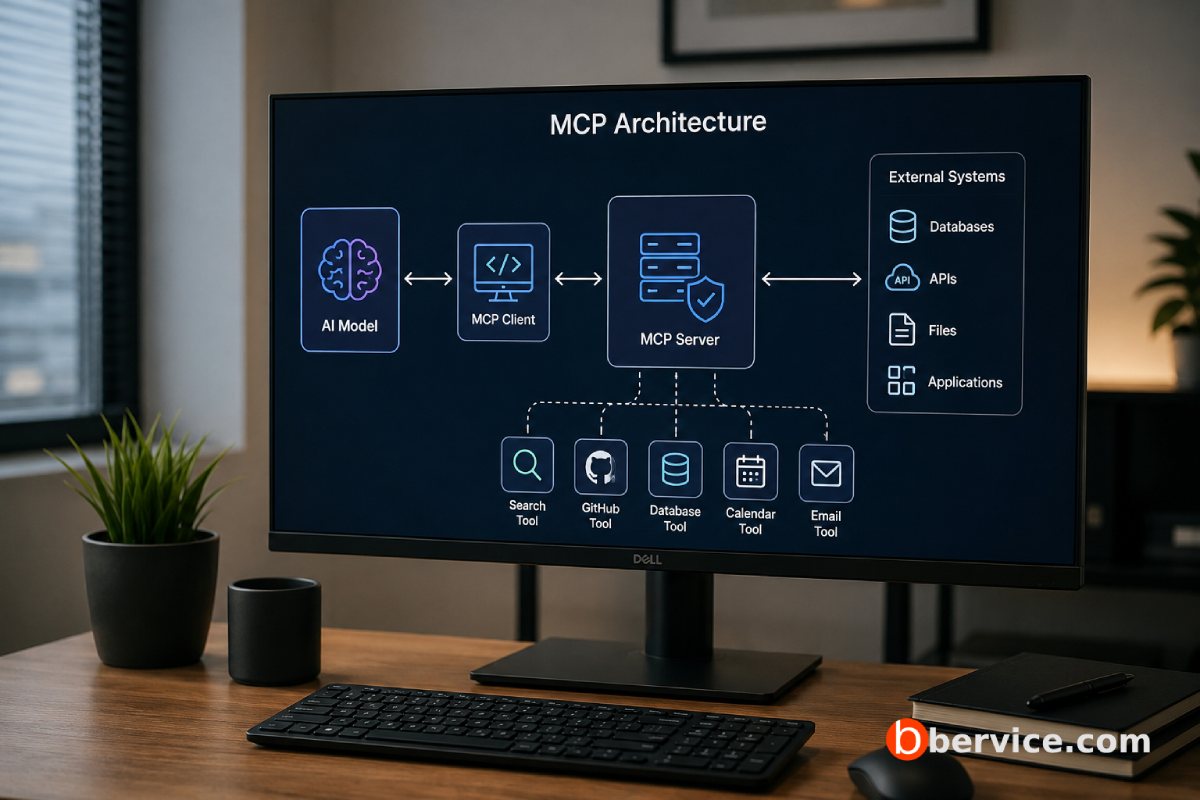
MCP Servers in Artificial Intelligence
From Beginner Concepts to Advanced Architecture Artificial Intelligence is rapidly evolving from simple chatbots into fully autonomous systems capable of reasoning, planning, coding, searching, analyzing documents, controlling software, and interacting with real-world services. One of the technologies helping enable this transformation is the rise of MCP Servers. For many people, MCP sounds highly technical…
-
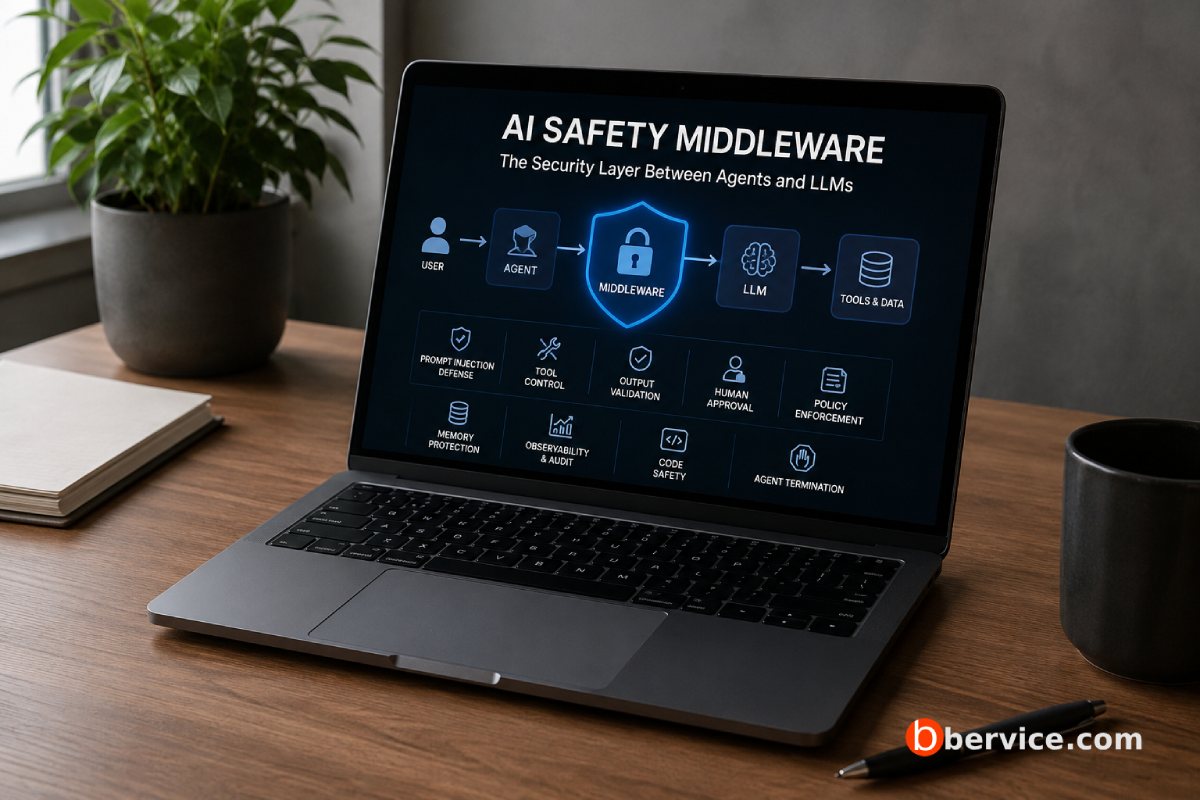
The Rise of AI Safety Middleware: The Security Layer Between Agents and LLMs
Introduction: Why AI Needs a Middle Layer Artificial intelligence is moving from simple chatbots to autonomous agents. A chatbot mostly responds to questions. An AI agent can read files, call APIs, send emails, update databases, write code, browse tools, trigger workflows, and make decisions across multiple systems. This shift creates a new security problem.…